Brain scans reveal how artificial sweeteners affect our reward circuits differently than sugar
A new study reveals that while zero-calorie sweeteners generally affect the body like water, they trigger distinct activity in the brain’s reward centers compared to real sugar. Interestingly, some even delay stomach emptying without spiking blood sugar.
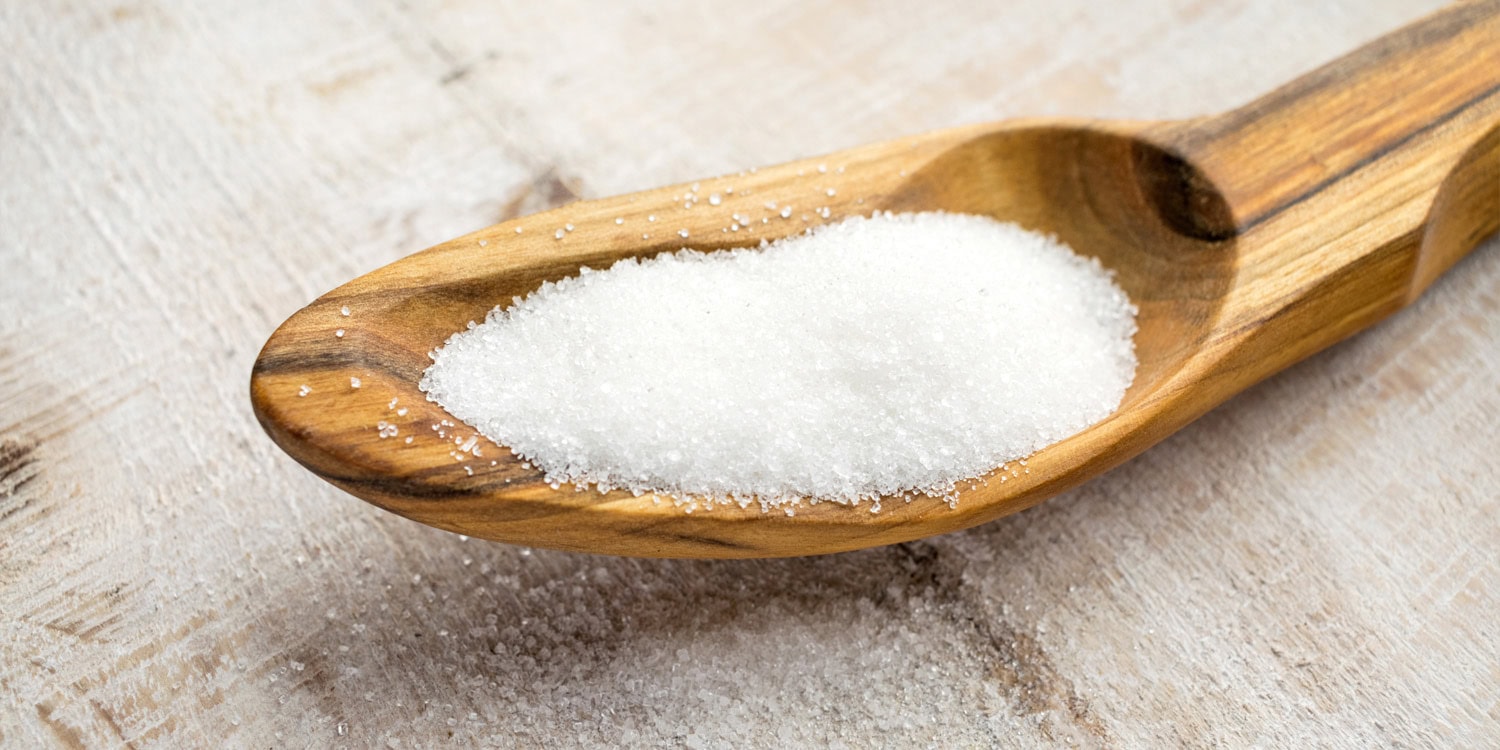
A recent experimental study investigated how different types of flavored waters sweetened with sugar or low/no-calorie sweeteners impact brain activity. The research, published in The American Journal of Clinical Nutrition, compared the effects of sucrose, sucralose, stevia extract, monk fruit extract, and allulose + stevia extract on brain regions related to reward and appetite regulation.
The study involved 30 healthy participants, with 15 men and an average age of 23 years. Subjects underwent six treatment sessions between February 2023 and March 2024, ingesting 500 ml of either water or one of five flavored waters sweetened with varying amounts of low/no-calorie sweeteners. Before consuming the drinks, participants underwent brain scans and answered questions about appetite and well-being.
Brain imaging revealed that sucrose-sweetened drinks led to lower cerebral blood flow in the ventral tegmental area, a region involved in reward and motivation, compared to water, sucralose, and monk fruit-sweetened drinks. This suggests that neural activity in the reward circuit was reduced after consuming sugar-sweetened beverages. The other low/no-calorie sweetened drinks, however, did not produce this effect.
Despite the low energy content, the allulose + stevia-sweetened drink delayed gastric emptying and did not increase glucose and insulin concentrations, unlike the sucrose-sweetened drink. Participants rated all sweetened drinks as equally tasty and sweeter than water, except for the monk fruit-sweetened drink, which was rated modestly less sweet.
The findings suggest that while artificial sweeteners do not significantly affect cerebral blood flow in areas related to food intake regulation, they may still influence brain activity in regions associated with reward and appetite control. These results could inform future research into the impact of different sweeteners on obesity and energy intake, as well as the development of healthier sweetener alternatives.
Written by urgent.news from PsyPost's reporting — not their text. Machine-written — may contain errors; check the original before relying on it.