AWS mumbles about its cost-busting networking tech when it should be shouting
A lot of datacenter networks are run by absolute clowns. Not Amazon's
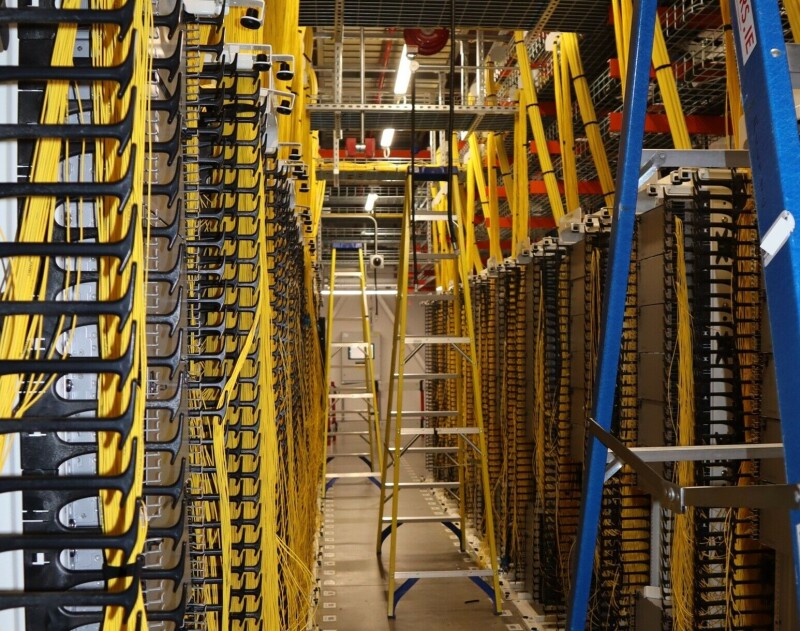
In a recent networking lab visit with AWS VP of Global Network Engineering Matt Rehder, journalists uncovered an interesting aspect of the company's cost-efficient networking technology. The network is described as a flat, single-tier system wired in a near-random pattern, resulting in a more resilient network at a lower cost to run. The technology has led to energy efficiency improvements of up to 40 percent, and now, AWS is passing on these cost savings to customers.
Once a concern for network vendors with high margins, the company developed its own networking stack using commodity hardware, which lowered its networking costs significantly compared to traditional vendors. The savings have been largely retained by AWS, rather than passed on to customers. AWS has not raised prices on existing SKUs, holding increases to a 9 percent increase from Graviton4 to Graviton5 instances.
Moreover, AWS charges customers per hour for instance usage, covering CPU, RAM, backplane, power, building security, and employees, as well as a substantial amount of networking magic.
One notable aspect of AWS's approach is the free movement of data within Availability Zones (AZs), as opposed to between them, which can be expensive. This approach has allowed AWS to offer multicloud interconnects without network charges, reducing costs for customers who need to transfer data between cloud providers. AWS is also moving towards flat-rate pricing for new network products, which addresses concerns about unpredictable network costs.
Written by urgent.news from The Register Science's reporting — not their text. Machine-written — may contain errors; check the original before relying on it.
This story
This is one outlet's version. Read the fullest account.