AI can make China’s political language sound more threatening, scholar warns
China is being urged to use human translators to refine AI renderings of its political messaging, amid concern that literal translations can make Beijing’s language sound more threatening abroad. An article in a state-affiliated academic newspaper said the country should strengthen its translation capacity and guard against AI-generated distortions to improve how its policies and intentions were…
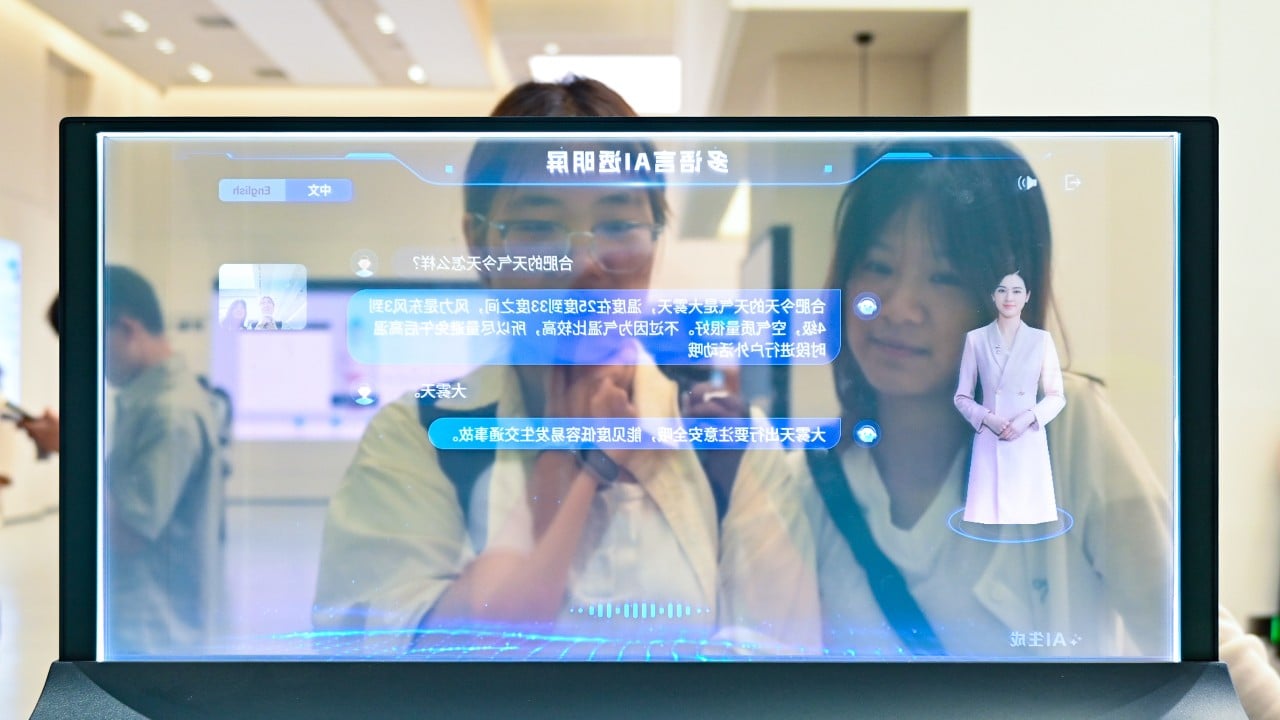
China's policymakers are being cautioned to employ human translators to refine AI-generated renditions of the nation's political messaging, due to worries that direct translations might render Beijing's language more aggressive abroad. A state-sponsored academic newspaper published a piece advocating for the enhancement of China's translation capabilities and vigilance against AI-generated distortions to enhance how its policies and intentions are perceived overseas.
Li Yan, a professor at Xian Fanyi University, emphasized that AI's role in translation is growing, hence human translators should collaborate with the technology. In her article in Chinese Social Sciences Today, a newspaper operated by the Beijing-based Chinese Academy of Social Sciences, Li noted that translation's importance extends beyond mere language, becoming a critical metric of a country's soft power and global governance engagement in the AI era.
Li urged Chinese translators to improve their skill-set to adapt AI translations contextually, for the target audience, and to align with the intended purpose. She used the example of the Chinese idiom "taoguang yanghui," usually employed since the 1990s to encapsulate Deng Xiaoping's foreign policy strategy: remaining discreet overseas, sidestepping conflicts, and focusing on domestic stability and growth.
However, this phrase often translates to "hide your capabilities, bide your time" in English, which some international observers perceive as China's strategy to conceal its long-term ambitions until it gains sufficient strength to challenge the United States in various spheres.
Li cautioned that literal translations of this idiom could foster the impression that China is concealing a secret strategic agenda. She proposed rephrasing it as "maintain humility while building strength" to better reflect China's diplomatic principles of peaceful development and proactive engagement.
Li also stressed the necessity for translators in the AI age to hone practical skills in identifying, analyzing, and interpreting culturally specific symbols, metaphors, historical references, and political ideas. The 1980s slogan "mozhe shitou guohe," typically translated as "crossing the river by feeling the stones," serves as a prime example. According to Li, translating it as "exploratory reform with incremental steps" could assist foreign audiences in grasping the political-economic concept more effectively.
Her recommendations stem from the increasing attention Chinese government agencies and academics are giving to translating political catchphrases and culturally specific concepts, which some interpret as part of a broader contest over international narratives and public opinion. Li's advice highlights the critical challenge of translation in high-stakes diplomacy, especially when languages and political cultures are vastly different.
A 2021 report from the US think tank Rand Corporation criticized several prominent China experts—well-versed in Chinese and dependent on Chinese-language sources—for introducing a "hawkish" bias into their translations and interpretations of Beijing's terminology. Similarly, Stefan Messingschlager, a historian and political scientist at Helmut Schmidt University in Hamburg, argued in a September 2021 article that Western governments persist in misinterpreting China due to the scarcity of independent, context-rich expertise—individuals capable of deciphering China's historically laden signals and challenging bureaucratic groupthink.
Li concluded her article by warning of cultural misinterpretations, logical fallacies, and value-laden biases in AI translations of political terminology, urging Chinese translators to actively embrace AI tools while simultaneously developing the skills to utilize them effectively and mitigate the associated risks.
Written by urgent.news from South China Morning Post's reporting — not their text. Machine-written — may contain errors; check the original before relying on it.