10 years, 1,800 survey sites: inside China’s hi-tech push to map linguistic diversity
Speak a few sentences of your hometown dialect into a microphone at a museum in central China, and a machine will pinpoint exactly where you are from. The interactive voice-recognition booth is among star attractions at a new language resources hall that opened on Monday at the Hunan Museum in Changsha. The hall showcases recordings and other language materials from Chinese dialects, minority…
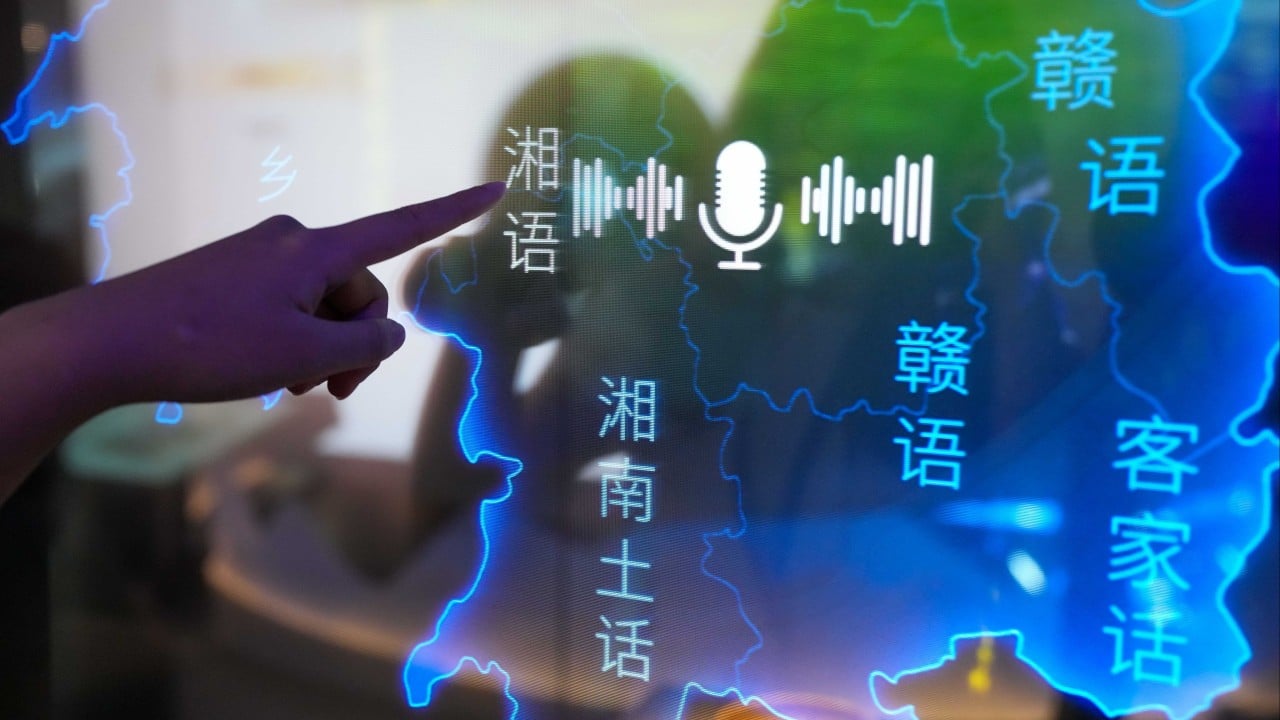
A museum in central China has opened a new language resources hall showcasing recordings from over 1,800 survey sites nationwide, reflecting Beijing's push to turn China's linguistic diversity into a public cultural resource. The interactive voice-recognition booths pinpoint a visitor's hometown dialect, while digital technology brings language preservation research out of databases and into public spaces.
The exhibition, part of the Project for the Protection of Language Resources of China launched in 2015, features recordings of 10 major Chinese dialects and over 100 ethnic minority languages, including Mongolian, Tibetan, Uygur and Zhuang. Over 30 language-related cultural relics are also displayed. Beijing has stepped up efforts to preserve and use the country's linguistic and cultural resources, with policies supporting language museums and integrating digital resources into everyday life, aligning with President Xi Jinping's "cultural confidence" drive.
Written by urgent.news from Reuters Business via SCMP's reporting — not their text. Machine-written — may contain errors; check the original before relying on it.