1,200 Granada tremors later: the earthquake advice Malaga has just sent to 60 towns
Furniture moved. Glasses rattled. Holidaymakers on the eastern Costa del Sol asked the same question as people in Granada flats: […]
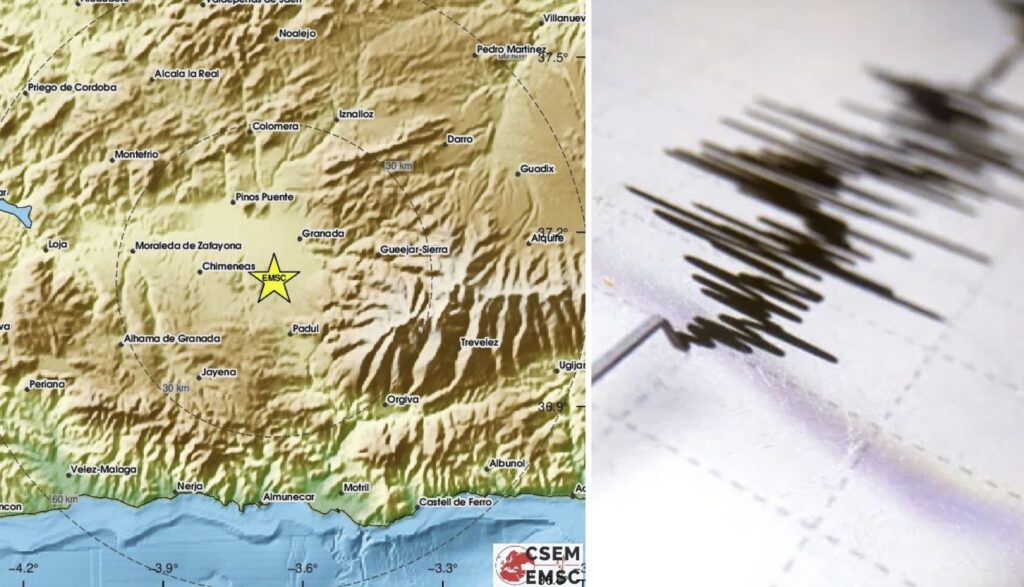
In the past two weeks, over 1,200 tremors have been recorded around Granada, prompting the Malaga provincial council to provide earthquake advice to more than 60 local Civil Protection groups. Luis Rodriguez, deputy for security and emergencies, aims to ensure towns and residents are prepared, offering clear instructions instead of scattered tips from phone scrolls.
The guide is based on a 2017 seismic hazard map for Malaga province, recommending towns classify buildings as quake-resistant or not, identify safe outdoor spots, designate evacuation routes, and identify vulnerable groups needing assistance first.
Southern Spain lies between the African and Eurasian plates, making it prone to seismic activity. Most earthquakes remain small, but this recent swarm of shocks, including two magnitude 4.8 quakes on August 15 and 18, was felt from Nerja and Torrox to Almeria, Jaen, and Cordoba. Authorities checked buildings, evacuated residents in Las Gabias, and paused Alhambra visits. Geologists suggest the swarm could continue for weeks, with new earthquakes reported on August Saturday mornings.
Risk increases as you move east and inland, with the hotter zone in Axarquia and the northeast, closer to the Granada fault line. Notable towns affected include Alcaucin, Alfarnate, Archidona, Arenas, Competa, Canillas de Aceituno, Colmenar, Comares, Frigiliana, Periana, Riogordo, Sayalonga, Sedella, Vinuela, Villanueva del Rosario, and Villanueva del Trabuco. Velez-Malaga, Torrox, and Nerja experienced more significant impacts from the August Granada shocks compared to many western resorts.
Malaga city has vulnerable areas, such as older streets in the center, around the Guadalhorce river, industrial zones, retail parks, and airport approaches. Modern, quake-resistant buildings are safer, while newer locations like Teatinos are built to later seismic standards. Western coastal areas like Estepona, Manilva, Casares, and Gaucin sit in lower hazard zones, though the Sierra de Ronda can still generate clusters of quakes.
When an earthquake strikes, treat modern, quake-resistant buildings as safe places to remain. Move away from glass, shelves, and anything that can fall, and seek shelter under a solid wooden table or against a structural wall. Open doors to prevent jamming and keep shoes on if possible. Avoid elevators and refrain from using matches or candles due to potential gas leaks. Do not stand in doorways, as this outdated precaution is no longer advised.
If you are in an older or poorly built structure, evacuate when shaking subsides and seek open ground away from walls and power lines. Modern hotels or recently constructed buildings should be occupied indoors, with occupants dropping, covering, and holding on until the shaking stops, then using stairs. If unsure about building safety, follow the 112 emergency protocol: remain indoors until instructed to evacuate by authorities, avoid areas with gas leaks, or if staff advise evacuation.
In cinemas, theaters, or supermarkets, stay seated, cover your head, and avoid hanging signs, lamp posts, and power lines. If driving, slow down and pull over in a clear area away from trees and cables. Upon exiting a building, shield your head and avoid using mobile phones unless necessary. Pack a small emergency kit containing water, non-perishable food, first-aid supplies, a flashlight, and a battery-operated radio.
Learn how to shut off water, electricity, and gas supplies in rental properties and homes. Secure heavy objects to walls and keep items off beds. Rodriguez recommends concise, straightforward public warnings shared through loudspeakers, local radio, TV, and mass text messages.
Written by urgent.news from Euro Weekly News's reporting — not their text. Machine-written — may contain errors; check the original before relying on it.