When the filters disappear — Raditya Alwyn Suwarto
Aug 28 — Technology has changed not only how we consume media, but also how information reaches us. In the past, m...
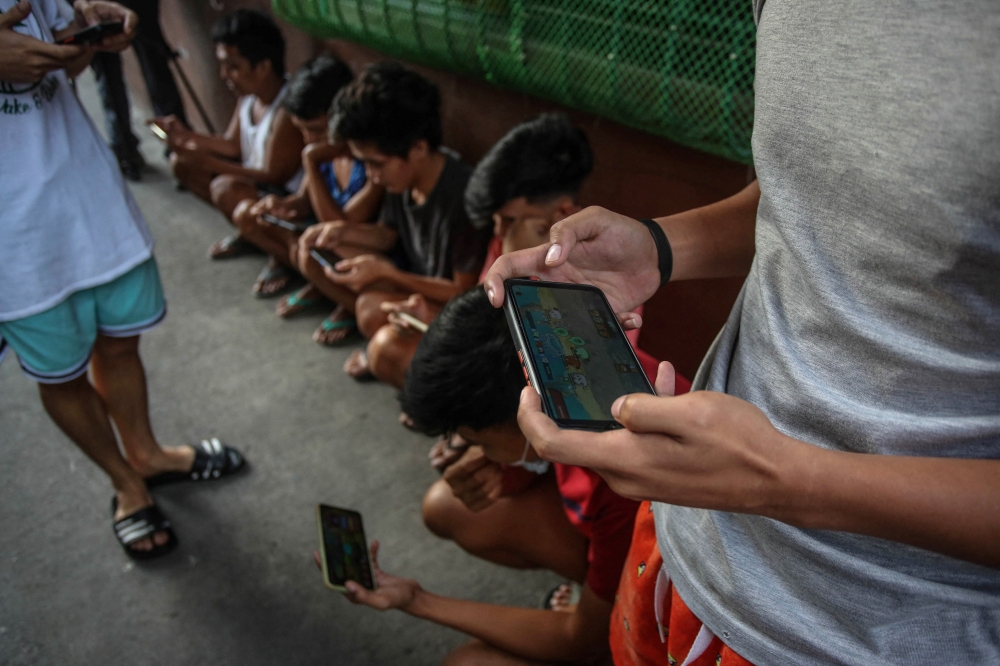
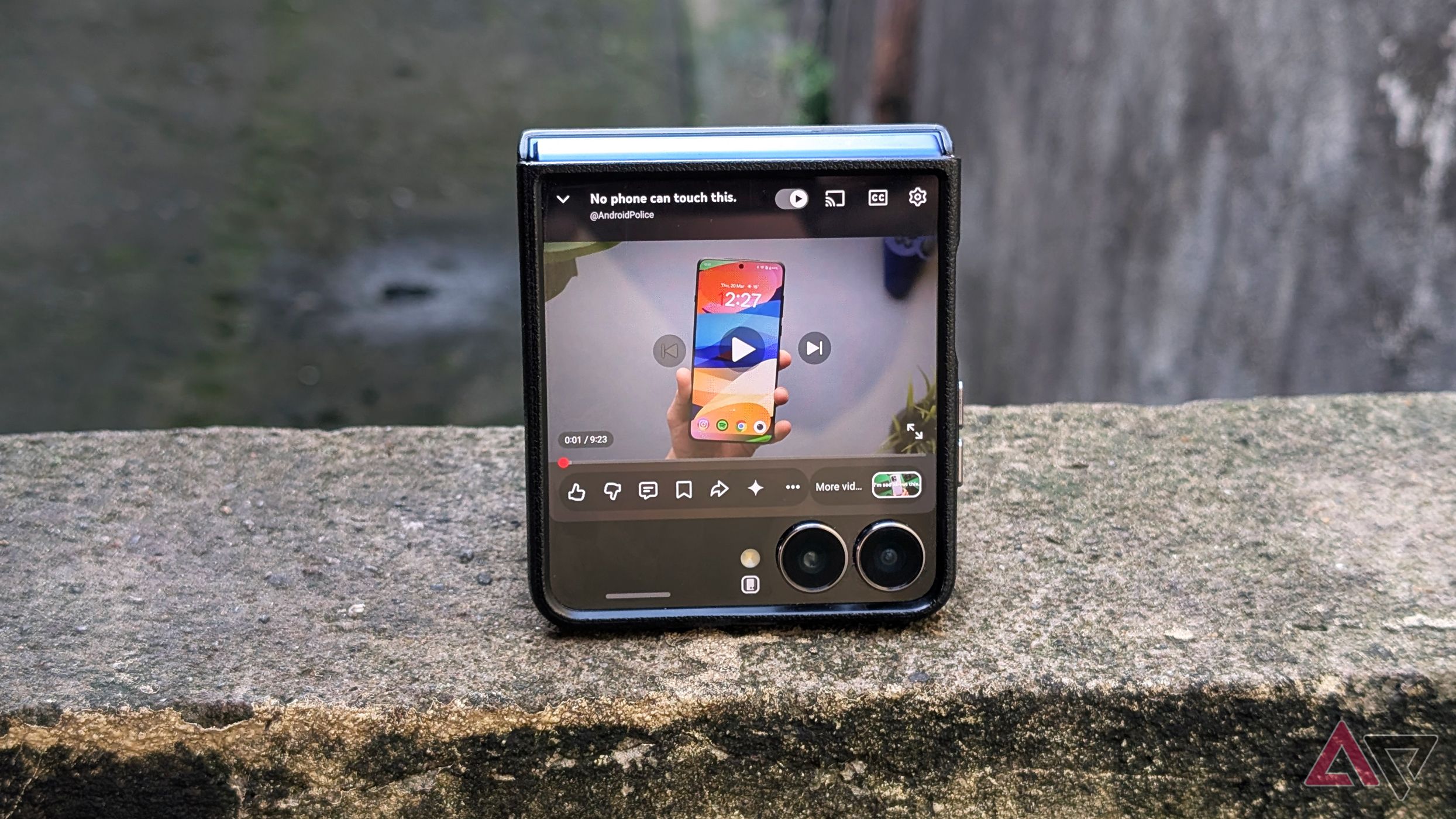
August 28 - The way we access and consume information has been transformed by technological advancements. In the past, people relied on newspapers, television, and radio for news about events. Now, social media and smartphones allow information to be shared almost in real-time. Videos, photos, and eyewitness accounts can be uploaded by anyone, sometimes even during an unfolding event.
This has made media more immediate and less filtered, allowing us to witness events that might have been edited or excluded in traditional coverage. However, this also presents challenges. With everyone able to publish information, even those without expertise can reach a wide audience. Social media posts can coexist with those from experts, making it hard to discern credible content.
Additionally, artificial intelligence can create convincing fake information, complicating the situation further. While unfiltered media doesn't automatically mean more truth, it has also made it easier to detect false information. Even genuine videos show limited perspectives and can be misleadingly edited. Users must now take greater responsibility for evaluating the information they consume, checking sources, comparing information from different sources, and being cautious about sharing unverified content.
Technology has given society access to more information and perspectives than ever before, which can expose realities that traditional media might overlook. However, this does not guarantee access to truth. In today's media environment, media literacy is crucial – not just for accessing information, but for deciding what to believe.
Written by urgent.news from Malay Mail's reporting — not their text. Machine-written — may contain errors; check the original before relying on it.