What “Salmon DNA” Really Means, and Why Dubai Is Talking About It
Dubai’s most talked-about skin booster may also have its most confusing name. “Salmon DNA” sounds like one treatment, but it is a popular label for a wider group of injectable products. Behind the nickname are different materials, concentrations and uses. Those details matter more than the trend. Many patients want hydrated, smooth and rested skin without obvious facial volume. Polynucleotide…
Dubai’s most discussed skin booster, "Salmon DNA," may be a perplexing name for a variety of injectable products. The term encompasses different materials, concentrations, and uses. It is essential to differentiate between these details rather than focusing solely on the nickname. Polynucleotide treatments appeal to patients seeking gradual improvements in skin quality while maintaining a natural appearance.
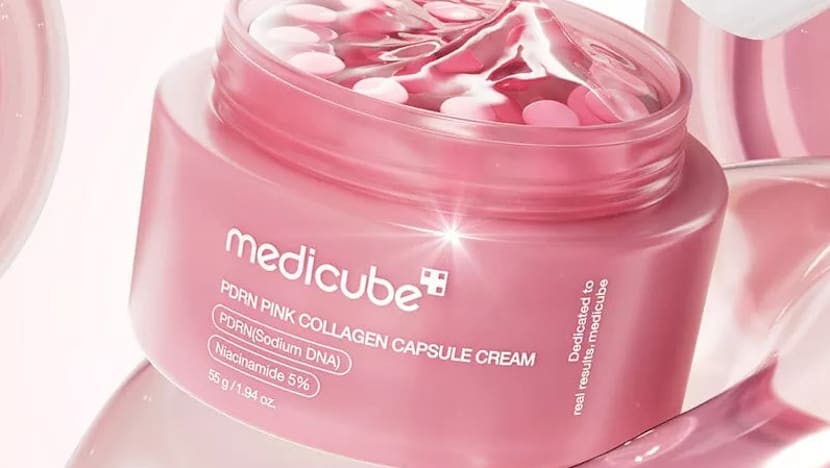
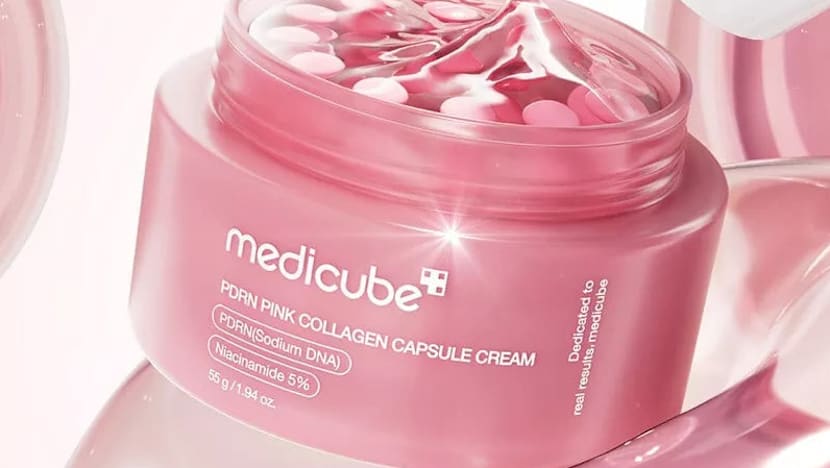
"Salmon DNA" refers to products made from purified DNA fragments derived from salmon or trout sources. Two common terms associated with these treatments are polynucleotides (PN) and polydeoxyribonucleotides (PDRN), which are related but not interchangeable. Variations in molecular size, concentration, and formulation can lead to different product families, such as Plinest for PN and Rejuran for PDRN. Depending on the specific product, treatments can vary in suitability for different facial areas.
Dubai's aesthetics industry has historically emphasized contour, volume, and wrinkle reduction. However, the newer conversation revolves around achieving healthier-looking skin while preserving a natural appearance. Dubai's climate, including high temperatures, air conditioning, and frequent travel, makes this gradual approach more relevant than traditional filler treatments, which primarily add or restore volume.
A recent systematic review of polynucleotides in aesthetic medicine analyzed nine studies involving 219 patients. The findings suggest that polynucleotide treatments offer a promising route to gradual, natural-looking skin improvement for appropriate candidates. However, various factors like the product, injection technique, skin condition, and treatment schedule can impact the outcome.
Rather than asking "Does Salmon DNA work?", patients should inquire about the specific product being proposed and the reason for its selection. A qualified clinician should be able to identify the product, clarify whether it is PN or PDRN, and explain why it is appropriate for the treatment area. Patients should also consider the qualifications of the person performing the injections and discuss relevant medical history, medications, pregnancy, breastfeeding, active skin infections, and known allergies.
The treatment process typically involves a medical review, skin assessment, topical numbing, and multiple small injections. Temporary side effects such as redness, swelling, raised injection points, or bruising may occur. The course of treatment may consist of a short course followed by maintenance, depending on the chosen product and the patient's needs.
The real significance of the term "Salmon DNA" lies in its ability to simplify complex treatments for easier discussion. Its lasting value will depend on providing clear product information, qualified medical care, and realistic expectations, rather than merely replacing other injectables with a single unusual ingredient.
Written by urgent.news from Arabian Post's reporting — not their text. Machine-written — may contain errors; check the original before relying on it.