Water reliability gap persists as 68.79% of households receive daily supply
Only 68.79% of South African households receive reliable daily water without interruptions exceeding 48 hours, according to Water and Sanitation Minister Pemmy Majodina’s parliamentary reply.
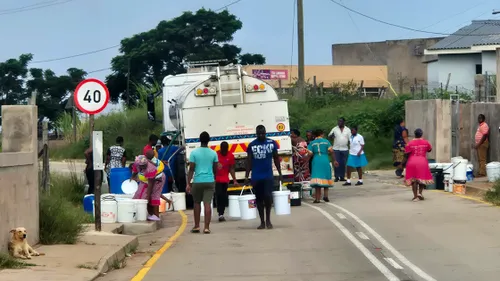
Only 68.79% of South African households receive a dependable daily water supply, as revealed by parliamentary figures from Water and Sanitation Minister Pemmy Majodina. This figure illustrates the disparity between households connected to water infrastructure and those capable of consistently accessing water without interruptions lasting over 48 hours.
The National Water Action Plan (NWAP) aims to stabilize municipalities, enact governance reforms, invest in infrastructure, and combat corruption. The proposed Water Services Amendment Bill seeks to enhance accountability by separating water authority duties from service delivery operators. Majodina explained to an MP that the data shows 68.79% of households, out of 18.9 million households, receive reliable daily water supply, with no interruptions surpassing 48 hours.
The remaining households are categorized as having access to basic or higher service levels, interim services, or lacking any basic services. South African Human Rights Commission (SAHRC) Commissioner Dr Henk Boshoff commended government progress but stressed that water access alone is meaningless without reliability. He emphasized that the 68.79% reliability rate is not surprising, as persistent service failures violate the constitutional right to sufficient water.
The SAHRC urges the immediate implementation of the five priority actions in the NWAP to accelerate efforts to address the water crisis and ensure the progressive realization of the right to sufficient water. Civil society groups like the Federation for a Sustainable Environment and the Institute of Race Relations expressed concern over the nominal access to water infrastructure and the need for improved water quality, quantity, and affordability.
They called for preventative maintenance, infrastructure renewal, competent municipal management, effective monitoring of drinking-water quality, protection of water resources, and transparent publication of interruption data.
Written by urgent.news from IOL's reporting — not their text. Machine-written — may contain errors; check the original before relying on it.
This story
This is one outlet's version. Read the fullest account.