Watch This Shrimp-Like Fish Walk Backwards
A deep-sea denizen with an identity crisis The post Watch This Shrimp-Like Fish Walk Backwards appeared first on Nautilus .
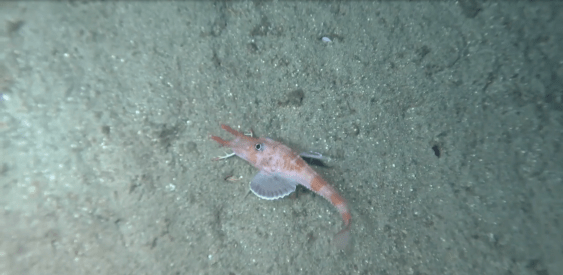
A bizarre sea creature that resembles a shrimp, moves like a crab, and swims like a fish has been discovered in the depths of the ocean. Marine biologists from Sun Yat-sen University in China managed to capture footage of three different species of the armored sea robin in the South China Sea. The study, published in the journal Ocean-Land-Atmosphere Research, revealed that the sea robin uses its fin rays to walk, a unique adaptation that allows it to scuttle across the ocean floor.
Unlike most fish, the sea robin can move sideways and even backwards using its specialized fin rays. The fish's pectoral fins have transformed into rounded plates that fan out like a skirt, providing stability while it searches for food. The sea robin also boasts an unusual snout, resembling tuning-fork prongs and rake-like appendages that help it sense and capture prey buried in the sediment.
The researchers noted that the sea robin's eyes remain sensitive to light despite the pitch-black environment of the deep sea, which suggests that the eyes still play a role in the creature's survival. Study author Han Tian remarked that the study sheds light on the remarkable behavioral and evolutionary adaptations of the armored sea robin, challenging previous assumptions about deep-sea biodiversity and the emergence of unique biological structures and behaviors.
Written by urgent.news from Nautilus's reporting — not their text. Machine-written — may contain errors; check the original before relying on it.