Washington town burns 500 forest acres to build shield against future wildfires
Washington communities are increasingly implementing prescribed burns as a strategy to mitigate wildfire risks. By imitating natural fire cycles, this method effectively decreases fuel accumulation. Roslyn, a town previously devastated by a wildfire, has embraced this practice extensively, fostering collaboration among various agencies and private landowners. This innovative strategy provides a…
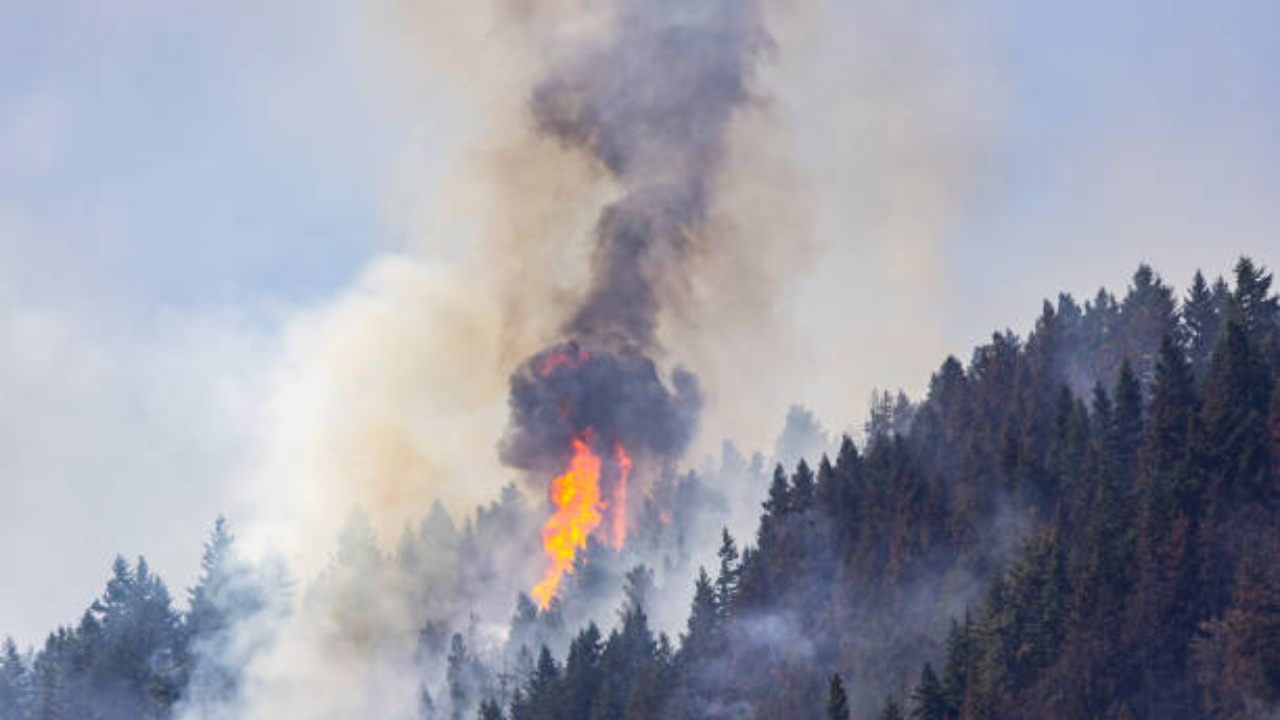
In Washington state, a team of igniters systematically spread a mixture of diesel fuel and gasoline through the forest, igniting grasses and shrubs as flames spread back towards them. Dozens more individuals worked tirelessly to maintain control over the blaze. This prescribed burn took place on a forested ridge overlooking the town of Roslyn, which had been on the brink of destruction following a wildfire just a few years prior, as reported by Stateline.
Wildfires have become a growing concern for communities across the Western United States. Following the arrival of settlers in the late 1800s, forests in this region burned roughly once every decade due to lightning strikes or intentional ignitions by local tribes to manage the land. However, state and federal land managers introduced extensive firefighting resources to suppress these blazes, leading to a century-long absence of fire.
As forests became denser and drier due to a lack of fire, they became increasingly vulnerable to pests, diseases, and ultimately, catastrophic fires. Meanwhile, Americans chose to settle in areas bordering these forests, even though they were prone to burning every few years. In 2017, the Jolly Mountain Fire, sparked by lightning strikes, advanced toward Roslyn on Labor Day weekend, prompting a wake-up call for the town.
The town, with a population of 950 and rich coal mining history, was ranked in the 99th percentile for wildfire risk nationwide. Following the near-miss, the emergency management coordinator offered to host a prescribed burn on forestland he owned above the town. This burn served as a training exercise for various agencies, and local residents were initially alarmed to see smoke rising from nearby properties. However, with the help of an outreach program, they came to understand the importance of fighting fire with fire.
Since then, Roslyn has been burning regularly, with Martin keeping a map of the increasing patchwork of burned areas surrounding the town. The black spots mark the 500-plus acres burned since 2017, while the yellow areas represent locations where logging equipment has been used to thin trees and brush. Together, these form a semicircle around Roslyn, intended to act as a shield against future wildfires.
Greg Dillon, director of the U.S. Forest Service's Fire Modelling Institute, emphasized that private landowners play a crucial role in reducing fire risk, as there is often a stretch of private lands between public forests and homes that can catch on fire. Mike Norris, an assistant division manager in Washington's prescribed fire program, noted that the state averages about 20,000 acres of prescribed burns annually, but the forests need three to five times that amount to remain healthy.
Collaboration among multiple fire districts, interagency networks, and nonprofit organizations, such as The Nature Conservancy, was essential for the Roslyn prescribed burn. Burning just 55 acres required cooperation from six organizations for two full days of burning and an extended monitoring period afterward. While catastrophic fires pose a significant threat, prescribed burns also face limitations imposed by strict clean air regulations, which can severely limit their windows of operation.
Written by urgent.news from Times of India's reporting — not their text. Machine-written — may contain errors; check the original before relying on it.