UUCA’S repeal is a beginning, not an ending — Rabi’ah Aminudin
AUGUST 28 — Merdeka Day is around the corner, and it feels fitting that this debate is happening now. The spirit o...
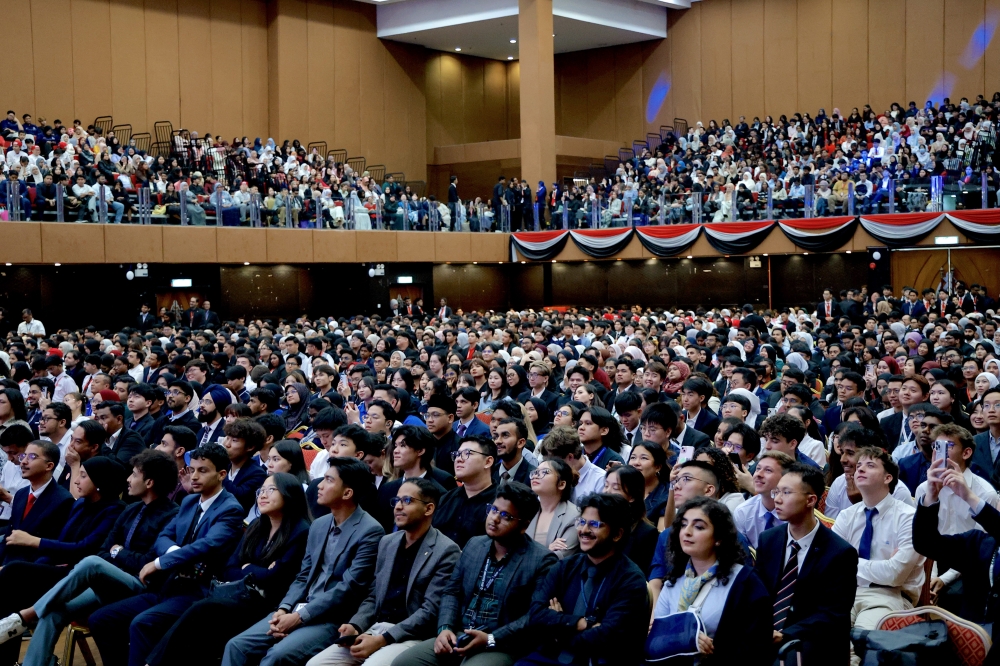
August 28 marked the day when Malaysia's academic freedom journey resumed, reminiscent of the 1957 spirit of self-governance. The repeal of the Universities and University Colleges Act 1971 (UUCA) symbolizes a return to the original essence of 1957, when people believed they could govern themselves without external permission. However, 69 years later, this spirit appears absent in lecture halls and staff rooms, making the repeal potentially significant only if it restores academic freedom.
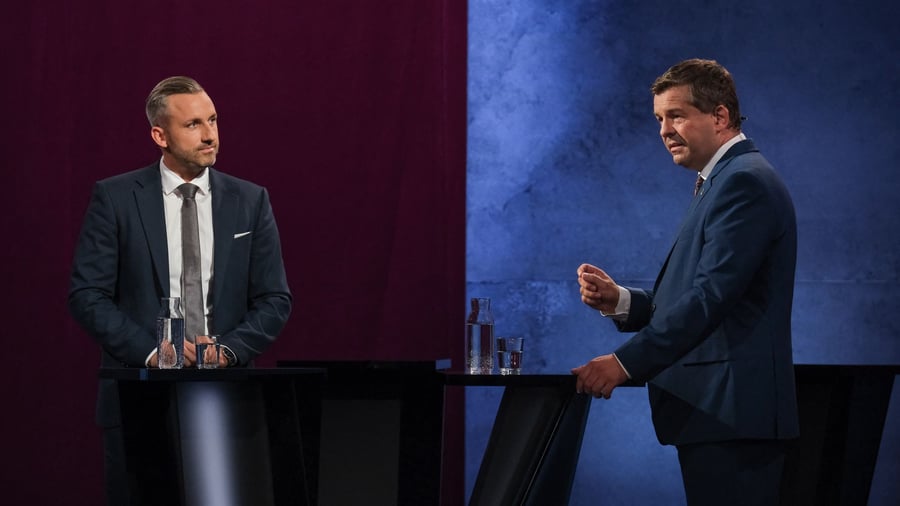
During the DTC session on September 26, 2026, the prime minister and key panellists advocated for UUCA repeal, while Khoo Ying Hooi's op-ed highlighted the legal aspect, emphasizing that academic freedom is not a discretionary privilege. The real test lies in protecting those academics who stand up to the government and decision-makers, as junior and untenured faculty face the highest risk and least protection.
While UUCA repeal does not guarantee a culture shift, safeguards, accountable leadership, and enduring academic freedom must be established.
For a meaningful repeal, an independent grievance mechanism and appeal process must be introduced, separate from normal university management. Protection should extend to all academic staff, not just tenured ones, with transparent criteria for contract renewals and promotions. Leadership appointments should involve faculty representation, ensuring they answer to the faculty rather than being appointed over them.
This voice should be reinstated through associations like GERAK, which grew from the fight for faculty leadership. The drafting committee should also include academics, students, and not just ministry officials and vice-chancellors, who might prefer a law that preserves their discretion.
Ultimately, the success of this moment will be measured by whether academic freedom persists in practice, not just in law. Five years from now, a critical scholar should be able to voice their opinions and findings without fear of losing their job due to institutional censorship. The lecture hall must become a space where public debate thrives, free from governmental interference.
Written by urgent.news from Malay Mail's reporting — not their text. Machine-written — may contain errors; check the original before relying on it.
This story
This is one outlet's version. Read the fullest account.