Ukrainian robot commander calls ground robots “Persian elephants.” What army really needs are “Arabian steeds”, he says
A "Khartia" robot commander says FPV drones and mines have collapsed the machines' lifespan.
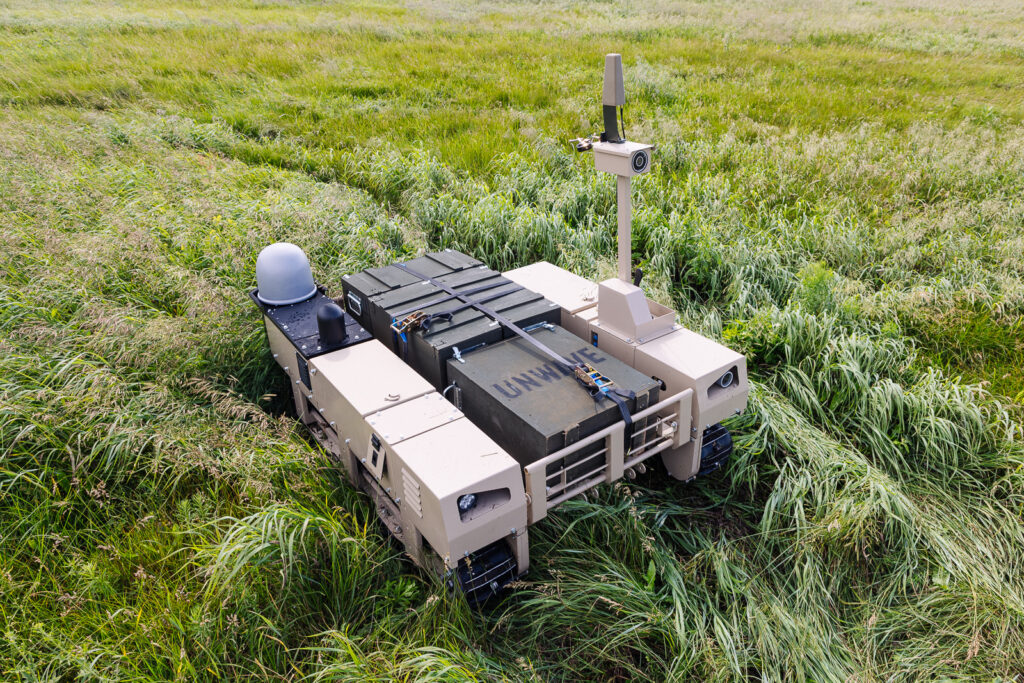
Ukrainian ground robots, once capable of 12-15 missions, now survive only three or four near Kupiansk. Lieutenant Matematyk, commander of the Lava unmanned regiment in the Khartia corps, lamented this decline in survivability. Russian FPV drones and mining fire have taken a toll, with the military experiencing a 122 percent rise in missions since January.
Ukraine has contracted over 22,000 ground robots for 2026, nearly double the 2025 total. The pace of technological change is a significant issue, as Ukrainian robots struggle to keep up with the evolving battlefield. Russian FPV activity, mining, and targeted countermeasures have all contributed to the reduced lifespan of these robots.
Matematyk emphasized that speed is the most urgent requirement. Current robot speeds of 10 to 15 kilometers per hour are insufficient for safely navigating logistics routes. He likened gun-armed combat robots to "Persian elephants" – formidable but slow to reach objectives. What Ukraine truly needs are "Arabian steeds" – robots that can swiftly arrive at the scene, accomplish the mission, and retreat.
Ukrainian troops are developing AI-based active-protection systems to counter Russian FPVs. These systems range from cameras to mini-radars, with detection and response trained on data from the unit's past missions. Ukraine maintains an advantage over Russia through superior Starlink-based communications and decentralized robot groups.
Written by urgent.news from Euromaidan Press's reporting — not their text. Machine-written — may contain errors; check the original before relying on it.