This photographer spent a decade using a century-old technique to capture the waterways constructed by enslaved people in the Southern US
There is something appealing about a photographer who is willing to be curious rather than arriving with the conclusion already written. The post This photographer spent a decade using a century-old technique to capture the waterways constructed by enslaved people in the Southern US appeared first on Amateur Photographer .
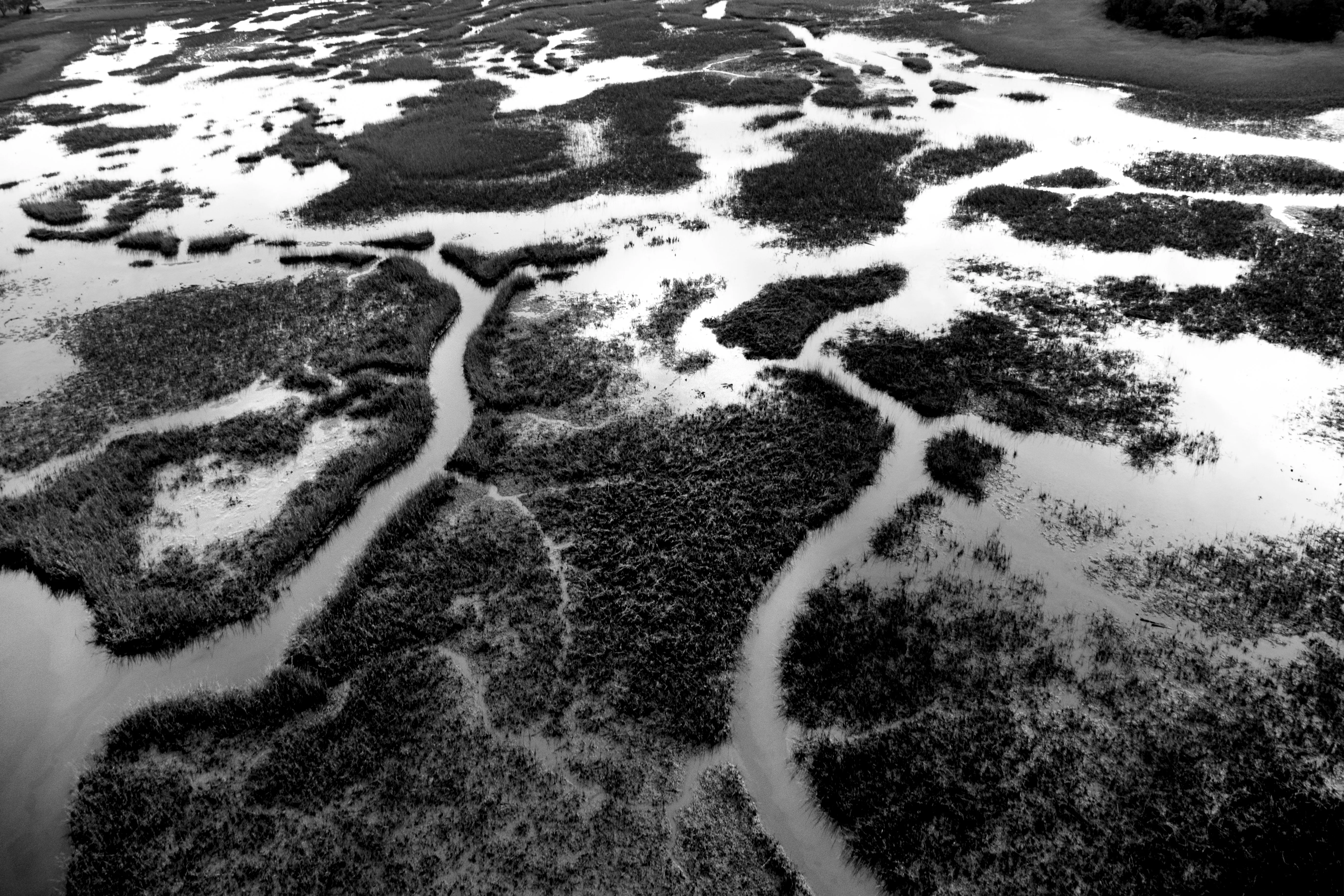
Virginia Richards initially set out to swim on Wadmalaw Island, South Carolina, but her curiosity was piqued when she encountered the name "New Cut" while exploring a tidal channel. This led her to delve deeper into the history of the region, where she discovered that New Cut was the result of a network of waterways constructed and maintained by enslaved people.
Richards' journey through maps, statute books, archival documents, diaries, and land transfers revealed the extent of these engineered waterways, which functioned as the 18th-century equivalent of high-speed internet. Built by hand by enslaved laborers, the waterways endured over time, with tides, hurricanes, and silt filling them in and requiring constant excavation.
While Richards found no records of the enslaved workers' names, she used photography to capture the remnants of this history. Initially, she photographed during the first and last ten minutes of morning and evening light, allowing the beauty of the Southern landscape to speak for itself. However, as she continued working on the project, she refrained from taking portraits of people, instead focusing on the landscape's subjects such as trees, waterways, artifacts, and infrastructure.
Richards' approach to her work is both humble and rigorous. She acknowledges that the land, trees, and waterways tell their own stories, and her photographs serve as mere witnesses to these narratives. By resisting the temptation to create overly evocative images, she allows the viewer to contemplate the history and beauty of the inner passage on their own.
Written by urgent.news from Amateur Photographer's reporting — not their text. Machine-written — may contain errors; check the original before relying on it.