They told me to remove my uterus. I refused.
Remove your uterus; it’s the simplest solution. My gynaecologist pronounced the verdict just months after I had my first miscarriage, hardly a year into my marriage. I remember sitting across from her with my arms wrapped around my abdomen, where the pain was the worst—it felt like someone had kicked me hard in the stomach. I was diagnosed with submucosal fibroids at the age of 26. It is a…
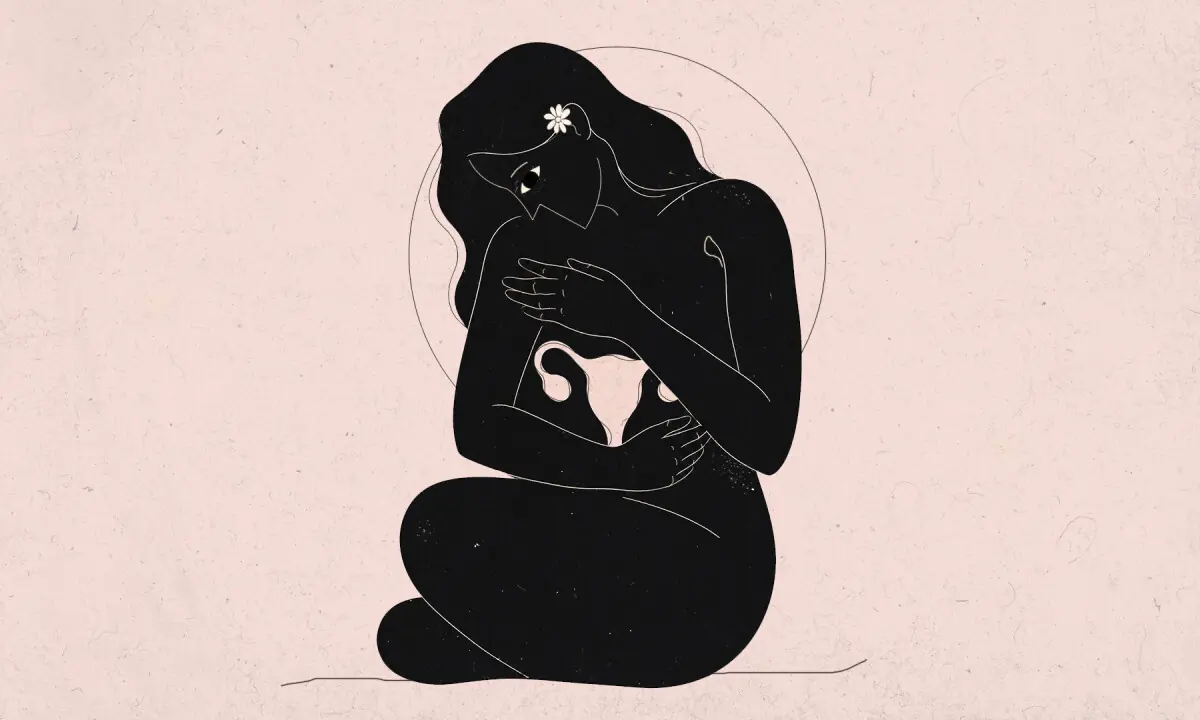
In 2013, a woman learned from her gynaecologist that the "only solution" for her severe menstrual pain caused by submucosal fibroids was to remove her uterus. Diagnosed at 26, the non-cancerous tumours grew in the muscle beneath the inner lining of her uterus, a common condition affecting 25% of women aged 18-45 globally. These fibroids caused heavy periods, making daily life a struggle.
Despite the gynaecologist's recommendation, she refused the hysterectomy, leading to a decade-long journey to find an alternative treatment. Her second pregnancy resulted in a myomectomy, removing her fibroids, but her third pregnancy proved life-threatening due to the fibroids' growth. After her last pregnancy, her periods became so heavy she could no longer leave her house.
Her research led her to Uterine Artery Embolisation (UAE), a procedure that shrinks fibroids by blocking their blood supply, preserving the uterus. This approach offered faster recovery, no major incision, and hospital stays typically lasting a few days compared to weeks for traditional surgery. UAE does carry risks, including bleeding, infection, and potential premature menopause, but its benefits, such as preserving fertility, outweighed the costs for her.
Despite its effectiveness, UAE is expensive and not widely known, performed by interventional radiologists rather than gynaecologists, and limited research on its impact on pregnancy outcomes.
Written by urgent.news from Dawn's reporting — not their text. Machine-written — may contain errors; check the original before relying on it.