These Women Face Higher Risk for Anal Sphincter Tears During Birth
(MedPage Today) -- Certain clinical and demographic factors were associated with higher rates of obstetric anal sphincter injury (OASI) among first-time mothers during vaginal birth, a large cohort study found. In a study of more than half a million...
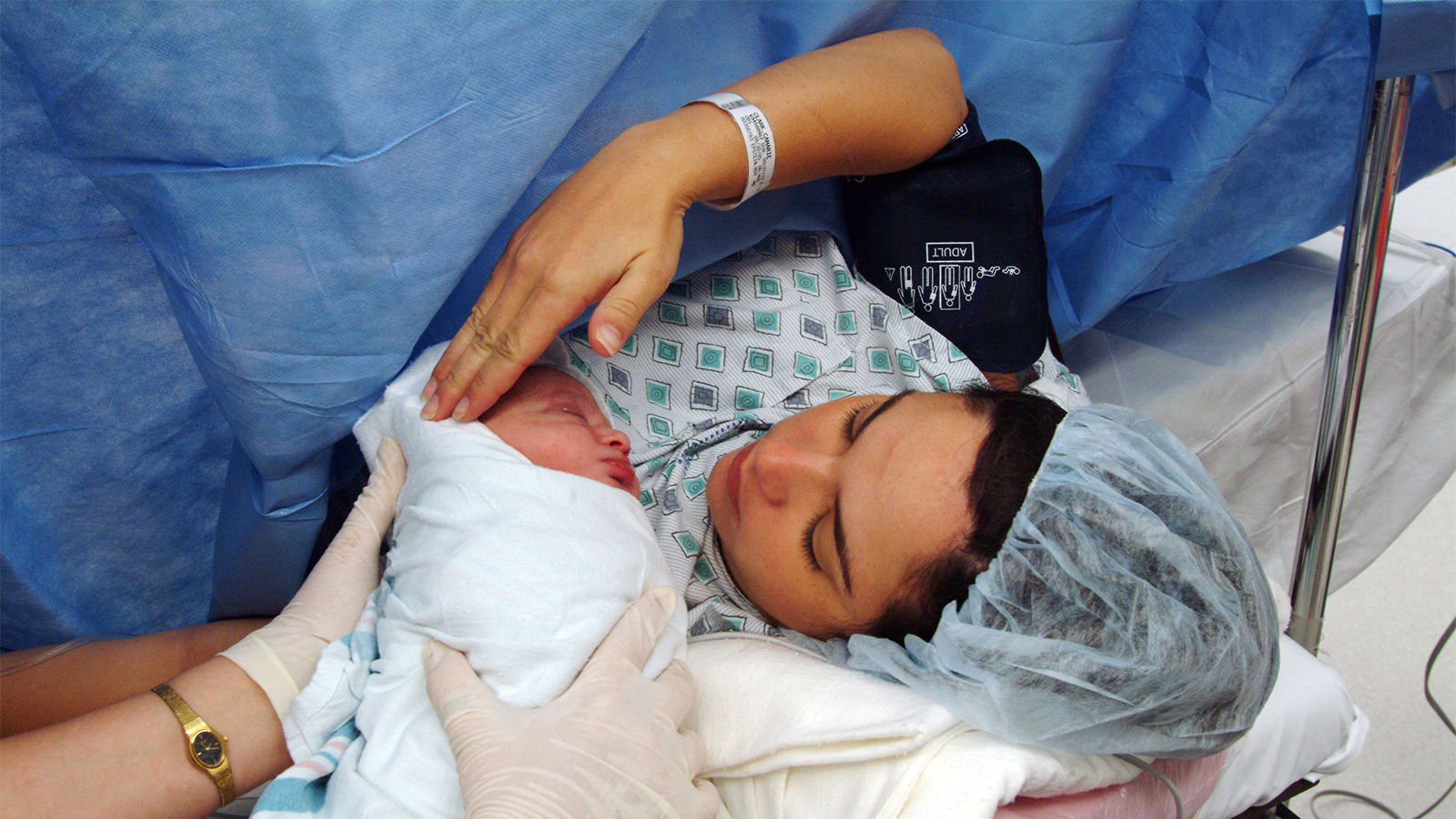
A recent study of over half a million first-time mothers in California found that certain factors increase the risk of obstetric anal sphincter injury (OASI) during vaginal birth. Operative delivery, such as with forceps or vacuum extraction, was the strongest risk factor, with rates rising to 4.4% for such deliveries. Vacuum-assisted deliveries saw a rate of 12.3%, while nonoperative vaginal deliveries had a rate of just 3.5%.
Demographics also played a role, with Asian women having nearly double the risk compared to non-Hispanic white women (aRR 1.92). Black and Hispanic women, however, had a lower risk of OASI. Additionally, women with pre-existing diabetes, preeclampsia, and those delivering large infants faced heightened risk, while those who were obese prior to pregnancy had a lower risk.
Dr. Lindsey Burnett, a urogynecologist and co-author of the study, noted the importance of educating patients about their individual risk. Around 216,000 U.S. women experience OASI annually, and severe perineal injuries like OASI can lead to long-term pelvic floor disorders, including pelvic organ prolapse, stress urinary incontinence, and overactive bladder. Approximately three in 10 women report impaired quality of life due to anal incontinence following OASI.
The study aimed to identify modifiable risk factors to personalize counseling for patients, potentially reducing their risk of these severe pelvic floor disorders. While operative delivery is the known intervention that eliminates OASI risk, the research team suggests that understanding and addressing individual risk factors could improve patient care.
Written by urgent.news from MedPage Today's reporting — not their text. Machine-written — may contain errors; check the original before relying on it.