The smarter way to manage offices in a hotter world
Sensors and occupancy insights help employers build cooler, smarter and more efficient offices.
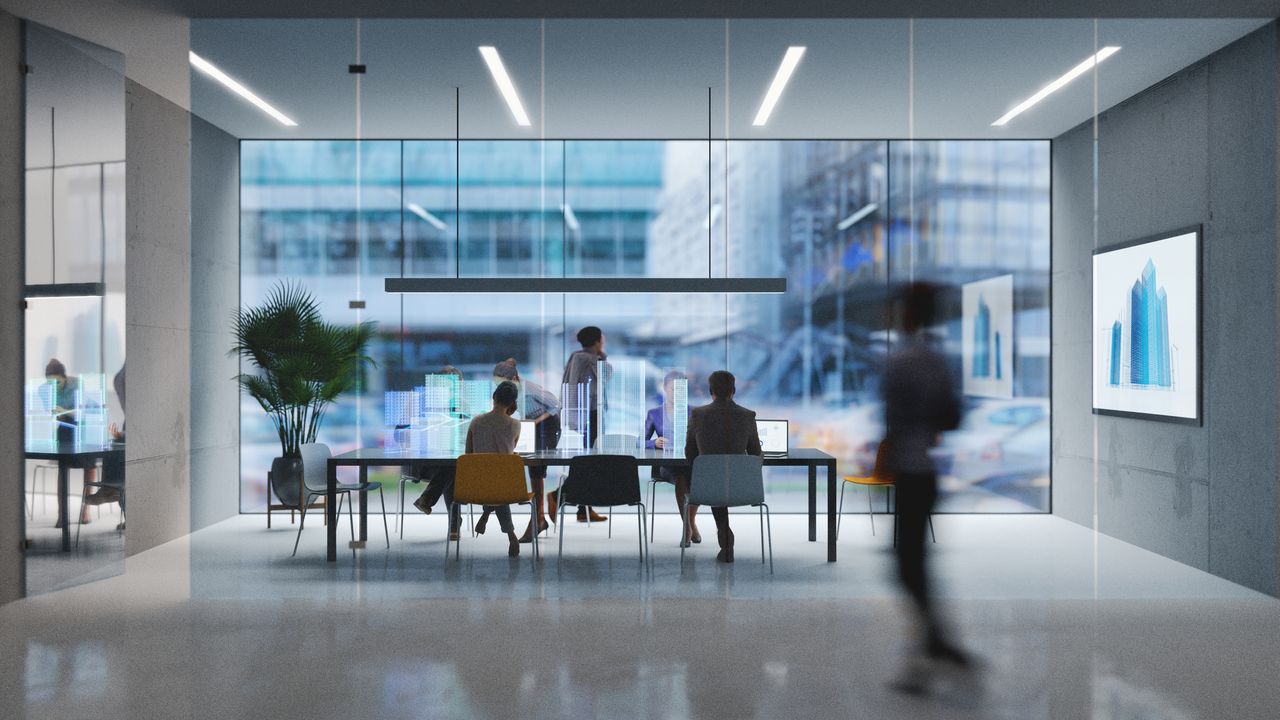
As the British summer continues to see rising temperatures, businesses are increasingly concerned about how to ensure their workplaces remain suitable for employees. Extreme heatwaves can lead to significant loss of working hours and economic costs. For instance, the UK's June 2026 heatwave resulted in 24 million lost working hours and a £1.15 billion loss in productivity. This highlights just how much workplace conditions can impact business performance.
Hybrid working has only added to this complexity, making it harder to predict when and where cooling, ventilation, and workspace capacity are needed. Employers now need to create offices that perform well throughout the year and can adapt to fluctuating occupancy and environmental conditions. Understanding how people move through an office and which spaces are used most often is crucial.
Traditional approaches to managing buildings, such as fixed schedules for cooling and ventilation, don't capture the unpredictable nature of modern workplaces. On some days, a floor may be empty while on others it's packed. Meeting rooms may become hot and stuffy after hours of back-to-back meetings, while adjacent open-plan spaces remain comfortable. Direct sunlight can also cause certain areas to heat up much faster than others. A single temperature reading in one location simply can't capture these differences.
To address this, employers need a more comprehensive view of workplace performance. Environmental sensors can monitor temperature, humidity, carbon dioxide, and air quality across different areas, while occupancy data shows which spaces are being used and how usage changes throughout the day. By combining these data points, facilities teams can identify real issues earlier, understand their causes, and prioritize actions that have a real impact on employee comfort and productivity.
The real value lies in using this data to create better experiences for employees and operate buildings more efficiently. Instead of focusing solely on dashboards and sensors, organizations should aim to provide facilities teams with actionable insights. Workplace intelligence isn't just about quickly responding to issues; it's about anticipating problems before they affect people using the space.
For example, rising carbon dioxide levels might indicate a need for better ventilation in a meeting room, while recurring temperature spikes could signal equipment use, afternoon sunlight, or an imbalance between occupancy and cooling.
By directing resources to where they're truly needed, employers can improve employee comfort while reducing unnecessary energy use and operating costs. This targeted approach also supports sustainability goals by avoiding unnecessary cooling in underutilized spaces and helping organizations meet Scope 2 emissions targets. Ultimately, designing workplaces based on real data about how people work can reveal patterns, inform decisions about space utilization, and optimize cooling schedules, room booking policies, and team placements.
Written by urgent.news from TechRadar's reporting — not their text. Machine-written — may contain errors; check the original before relying on it.