The popular diabetes drug metformin has been used for decades — and scientists just figured out its main mechanism
Scientists have debated whether the diabetes drug metformin acts primarily in the intestines or the liver. New findings clear up this confusion.
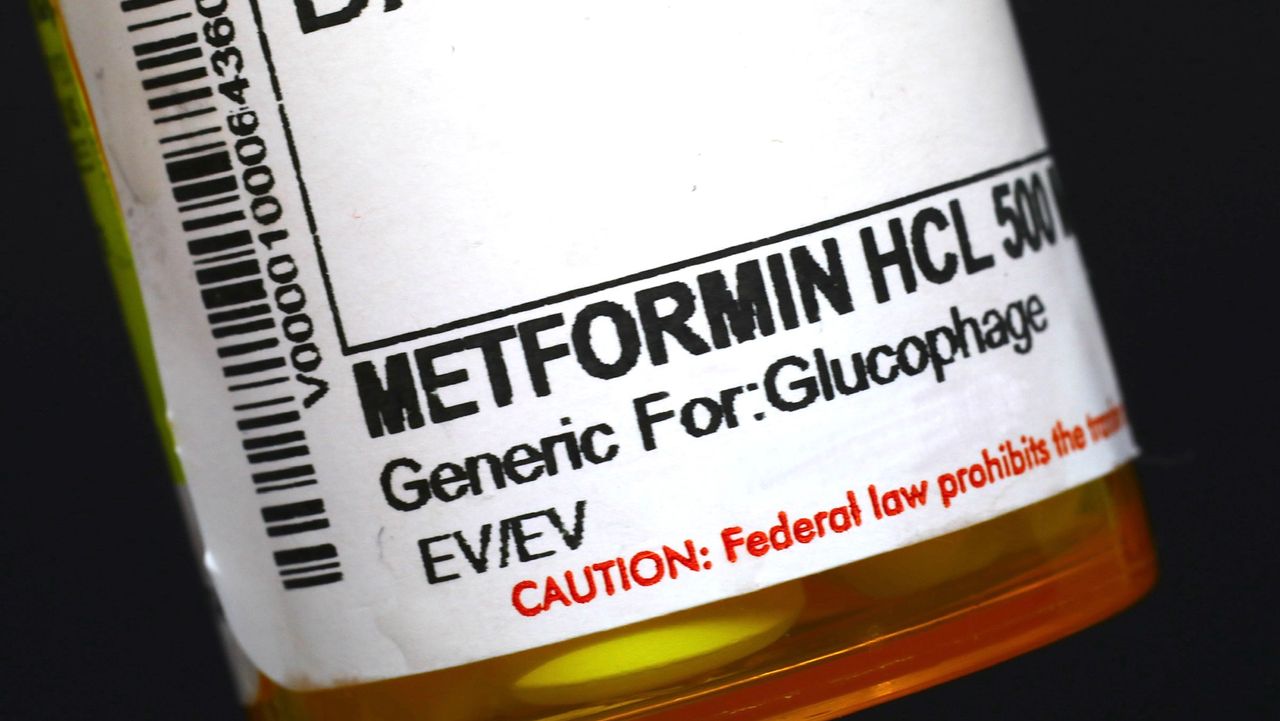
For many years, the inner workings of diabetes drug metformin have remained a mystery. However, scientists now believe they have uncovered the drug's primary mechanism. Metformin forces gut cells to absorb and burn excess glucose by interfering with their mitochondria, which are the power generators within cells. Although metformin was first used in the 1990s, its method of action remained unknown until now.
The complexity of the drug's effects across multiple organs and metabolic aspects made it difficult to pinpoint a single mechanism, as stated by Manuel Vázquez Carrera, a pharmacology researcher. Metformin's impact on gut cells is particularly noteworthy, as it causes them to use up glucose more efficiently. This, in turn, forces the cells to burn glucose using glycolysis, a less efficient process that generates fewer ATP molecules per glucose molecule.
Consequently, this leads to a reduction in blood sugar levels. The researchers found that metformin primarily targets mitochondrial complex I in intestinal cells, which is responsible for generating approximately 80% of the drug's sugar-lowering activity. The study, published in Nature Metabolism, involved comparing metabolites in the bloodstreams of people taking metformin and those who were not exposed to the drug.
The biggest drop in concentration was observed in citrulline, a metabolite produced almost exclusively by mitochondria in intestinal cells. When mice were genetically modified to have a backup enzyme for complex I in their intestines, metformin became significantly less effective at lowering citrulline levels, indicating that the drug's action is indeed focused on complex I in gut cells.
Written by urgent.news from Live Science's reporting — not their text. Machine-written — may contain errors; check the original before relying on it.