The night we nearly saw a 'blood moon' (and why I love near-misses in astronomy)
Astronomy is often about being close to extraordinary things without fully experiencing them. Here's why to love partials, grazings, faint objects and other almost-events.
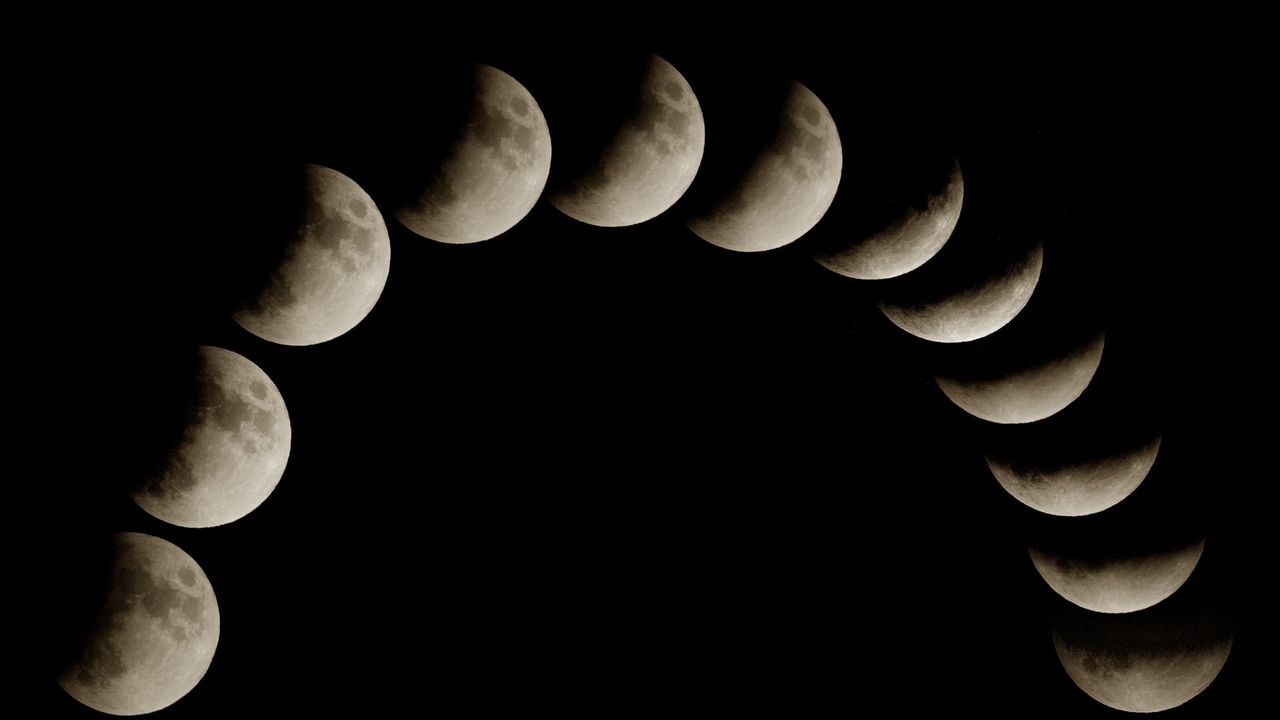
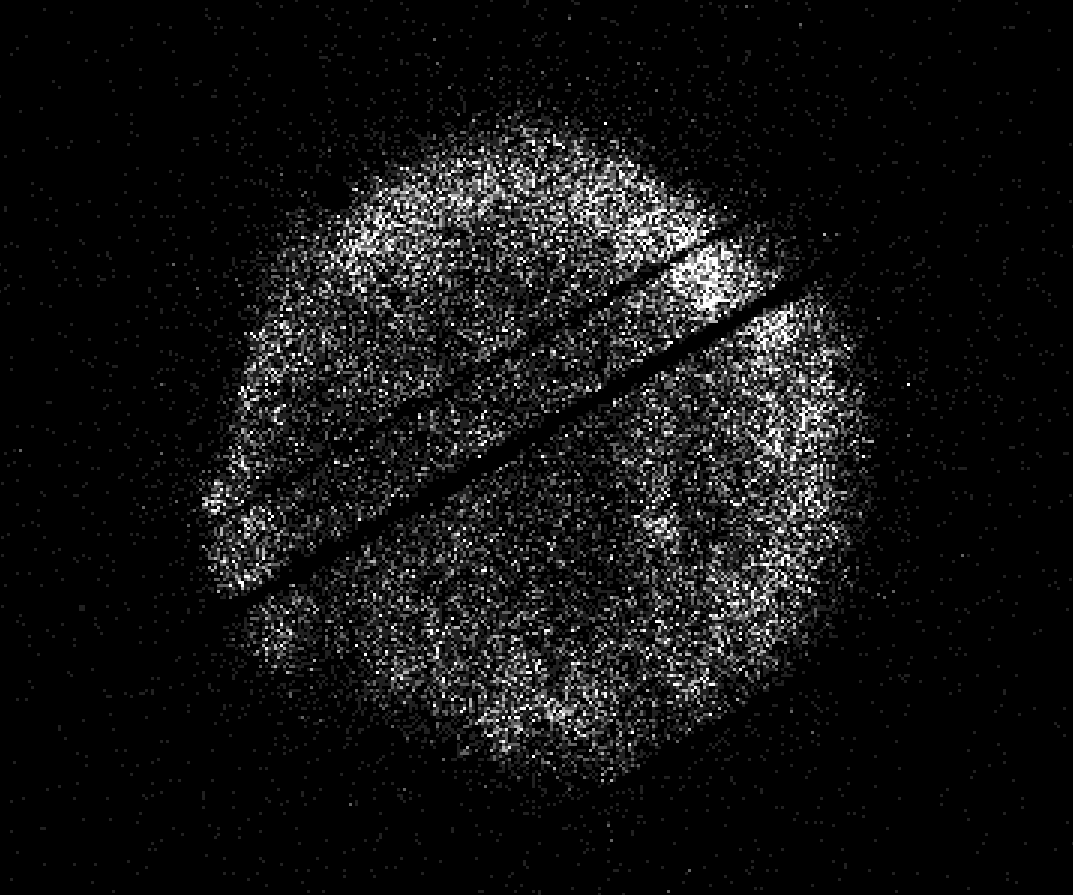
The near-total partial lunar eclipse witnessed on Aug. 28 caught the eye of stargazers. Earth's shadow covered 96.2% of the lunar surface, with a thin part remaining untouched, making the eclipse neither one thing nor the other. The moon didn't turn red as it usually does during a total lunar eclipse, instead appearing as a sliver, unlike a crescent.
This event was a near-miss for a fully eclipsed "blood moon." Observing such near-misses in astronomy, like a comet that fails to brighten or a meteor shower that disappoints, can be intriguing. A total lunar eclipse occurs when the entire moon enters Earth's dark umbral shadow, creating the appearance of a "blood moon" due to sunlight filtering through Earth's atmosphere.
The near-total, partial lunar eclipse offered an unusual tension, as the bright uneclipsed sliver of the moon enhanced the shadow's visibility and appreciation.
Written by urgent.news from Space.com's reporting — not their text. Machine-written — may contain errors; check the original before relying on it.