The iPhone Air Is One of Apple’s Most Important Products, Even if It Wasn’t a Blockbuster
Apple’s super-thin iPhone didn’t sell like crazy, but it helped set the stage for something bigger: the long-rumored foldable.
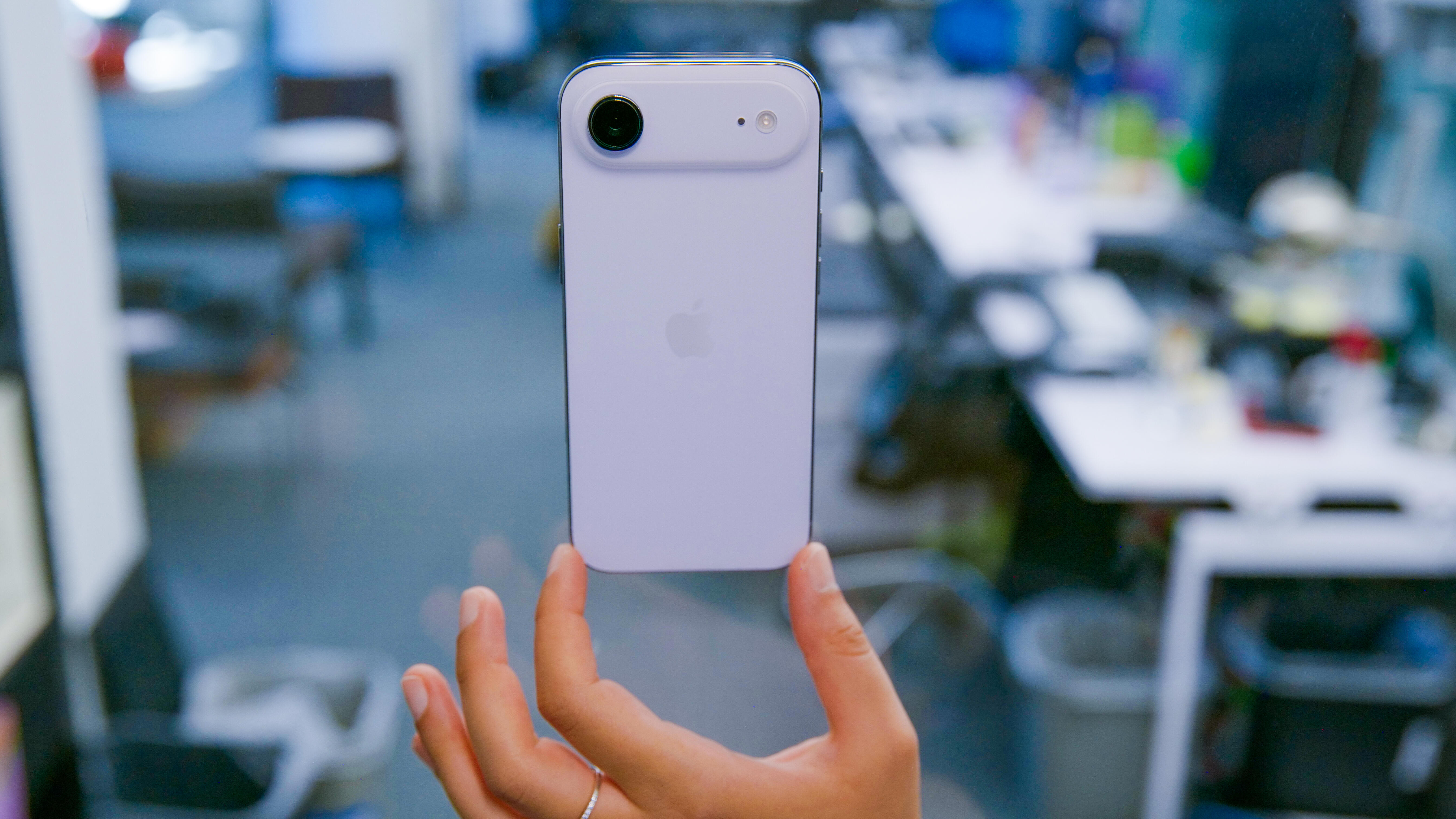
Apple's iPhone Air, introduced last fall, garnered significant attention despite reportedly disappointing sales. Measuring just 5.6mm thick and weighing 165 grams, the $999 device made a striking impression thanks to its slim profile and lightweight feel. These attributes, which make it feel almost imperceptible in pockets or bags, are particularly well-suited for a foldable phone, as designers have traditionally struggled with bulkiness, fragility, and unwieldiness.
Recent foldable phones like Samsung's Galaxy Z Fold 8 series and Motorola's Razr Fold have shown that sleekness and versatility can coexist.
According to Rishi Padhi, a research principal at Gartner, the iPhone Air may be viewed as a transitional step rather than a failed product category. It proved that Apple could still make a thinner iPhone, identified minimum features consumers won't readily surrender, and established a component and design pathway for a foldable iPhone. A foldable iPhone, dubbed the iPhone Ultra, could debut at Apple's Sept. 9 event in Cupertino, California, with a second-generation iPhone Air following early next year.
While the iPhone Air's design has been well-received, it comes with some notable compromises. It features a single 48-megapixel wide-angle camera and a single speaker at the top, and its slimmer profile leaves less room for a battery, leading to shorter battery life and the need for frequent charging. For many consumers, these trade-offs were not enough to justify the premium price.
IDC's Francisco Jeronimo noted that the iPhone Air and Samsung's Galaxy S25 Edge, which debuted a few months earlier, sold only a small percentage of phone sales for their respective brands.
Despite these limitations, the iPhone Air has demonstrated that Apple can deliver a reimagined slim device, potentially setting the stage for a foldable iPhone. Samsung's Galaxy Z Fold 7, which launched following the debut of the 5.8mm-thick S25 Edge, measures only 4.2mm thick when open. This suggests that the iPhone Air and a foldable iPhone could follow a similar trajectory.
While the iPhone Air's lack of an ultrawide camera and scaled-back camera and battery specs may not satisfy power users, many consumers can live without these features, especially given the device's compelling design.
Written by urgent.news from CNET's reporting — not their text. Machine-written — may contain errors; check the original before relying on it.