The Dalit enigma: Why Mayawati is going solo in Punjab
Mayawati's Bahujan Samaj Party will contest Punjab's 2027 elections alone. This move highlights the difficulty of forming a unified Dalit vote bloc. Punjab has India's highest Scheduled Caste population, yet it remains divided. Mainstream parties like AAP and Congress have appealed across caste lines. The Bahujan Samaj Party's gamble tests its ability to unite this diverse electorate.
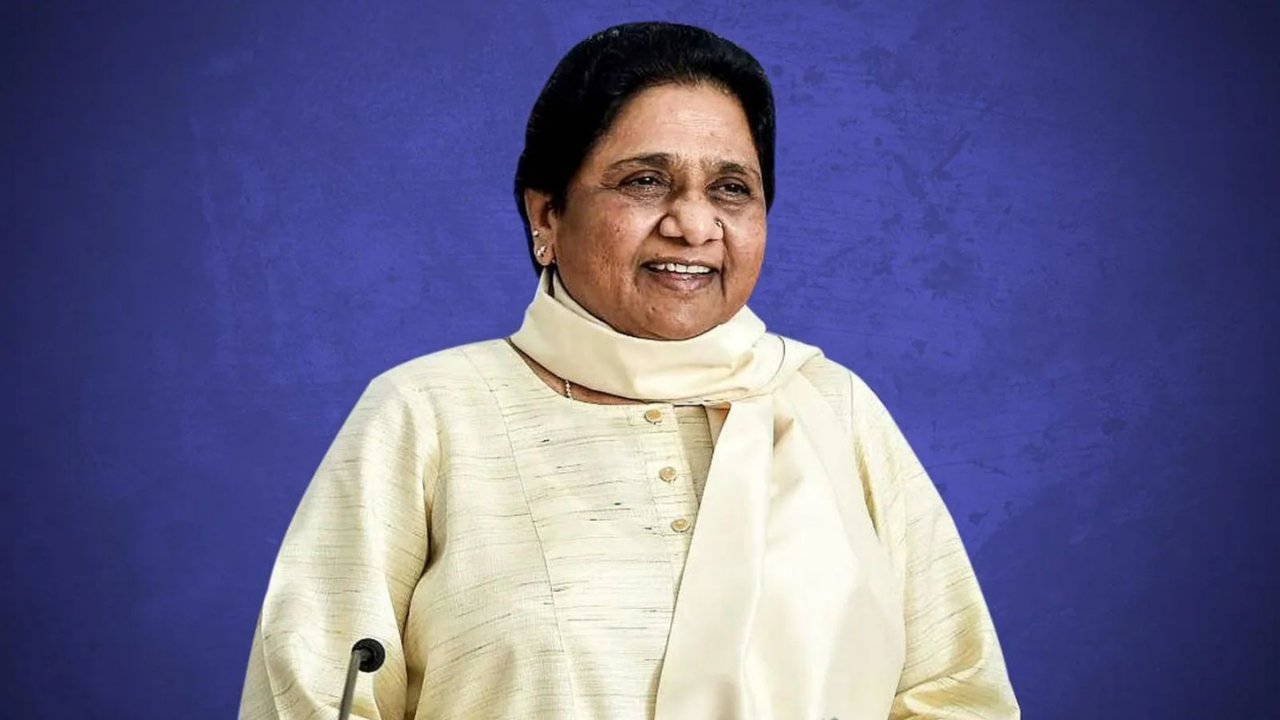
Mayawati, the leader of the Bahujan Samaj Party (BSP), has announced her decision to contest the upcoming 2027 Punjab assembly elections independently, without forming any alliances or compromises. This move is significant as Punjab has the highest proportion of Scheduled Castes (SC) in India at 31.94%, yet no political party has been able to convert this numerical strength into a consistent Dalit vote bloc.
Despite comprising nearly one-third of Punjab's population, Dalit voters have not translated into the same share of votes for the BSP or any other Dalit-centric political formation. This is due to the Dalit electorate being divided along caste, religious, regional, and economic lines, allowing major parties like the Congress, AAP, SAD, and BJP to each build pockets of support within the community.
Punjab's political landscape presents a paradox. The state has a high SC population and multiple SC-reserved constituencies, yet Dalit voters have not coalesced around a single political identity. The community is composed of various sub-caste and religious groups such as Ravidassias, Mazhabi Sikhs, Ramdasias, and others, each with their own geographical distribution, religious affiliations, economic circumstances, and political histories.
The BSP's rise in Punjab was initially successful, but faded after Kanshi Ram's death. In the 1997 elections, the BSP won just one seat and its vote share declined steadily over the next few decades. The party's performance suffered a significant setback in the 2022 assembly election, where it won only one seat with 1.77% of the vote, while the AAP secured a majority of seats.
The decline of the BSP in Punjab demonstrates the challenge of sustaining Dalit-centric politics, while the 2022 elections show how mainstream parties can effectively cut across caste identities. Despite Congress elevating Charanjit Singh Channi, a Dalit, as the state's first Chief Minister in 2021, the party suffered a significant loss in the 2022 elections.
This suggests that Dalit voters in Punjab remain fragmented and that turning the 32% Dalit population into a coherent electoral bloc remains a difficult political question for Mayawati.
Written by urgent.news from Times of India's reporting — not their text. Machine-written — may contain errors; check the original before relying on it.