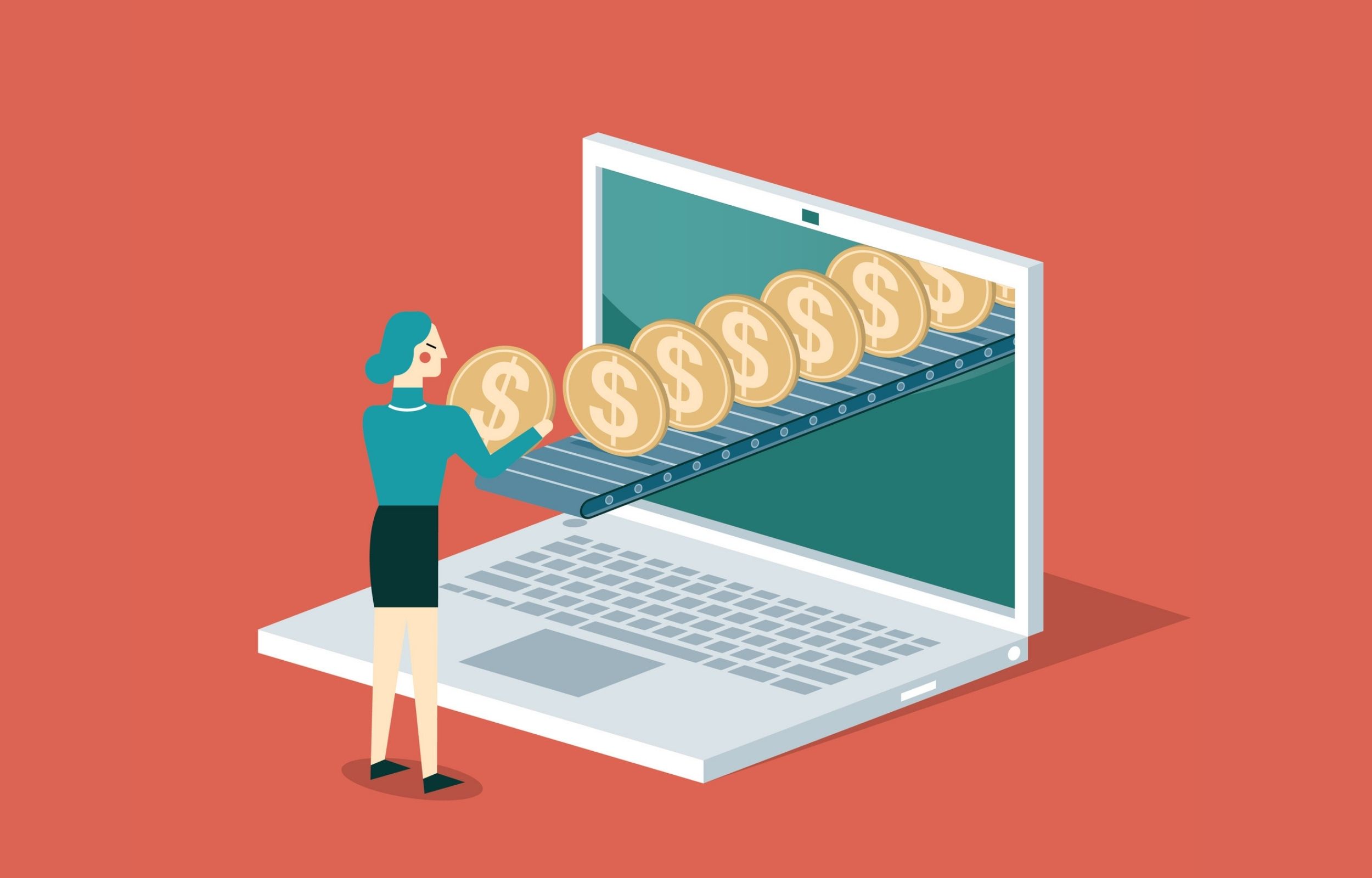
The case for the U.S. dollar's digital edge
New financial technologies are making it faster and cheaper to move money across borders, seemingly reducing the world's reliance on the dollar . But new research presented at the Jackson Hole symposium suggests financial innovation may instead tighten the dollar's grip on global finance. Financial innovation is the theme for the annual gathering of central bankers, where they're grappling with…

Financial innovations like stablecoins and tokenized money are making transactions faster and cheaper, potentially strengthening the U.S. dollar's global dominance. However, new research suggests these technologies may actually bolster the dollar's power, despite concerns over America's fiscal health. The annual gathering of central bankers in Jackson Hole examined how these advances are reshaping the financial system, with economists arguing that easier access and trading could funnel more financial activity toward dollar-dominated markets.
Rather than leveling the playing field, digitalization could intensify existing network effects, making dollar markets deeper and more attractive. A study from Circle, Cornell University, and Arizona State University found that if more companies borrowed in dollars, it would increase demand for dollar assets and deepen markets. The dollar is currently involved in about 90% of foreign-exchange transactions, with the euro, yen, and pound losing ground, while the Chinese renminbi has gained.
However, a more dollar-reliant world could lead to greater exposure to U.S. policies and potential risks if it prompts less fiscal discipline in Washington.
Written by urgent.news from Axios's reporting — not their text. Machine-written — may contain errors; check the original before relying on it.