The Bond Market’s Supply and Demand Problem
Ray Dalio warns that the U.S. bond market is signaling a serious debt issue.
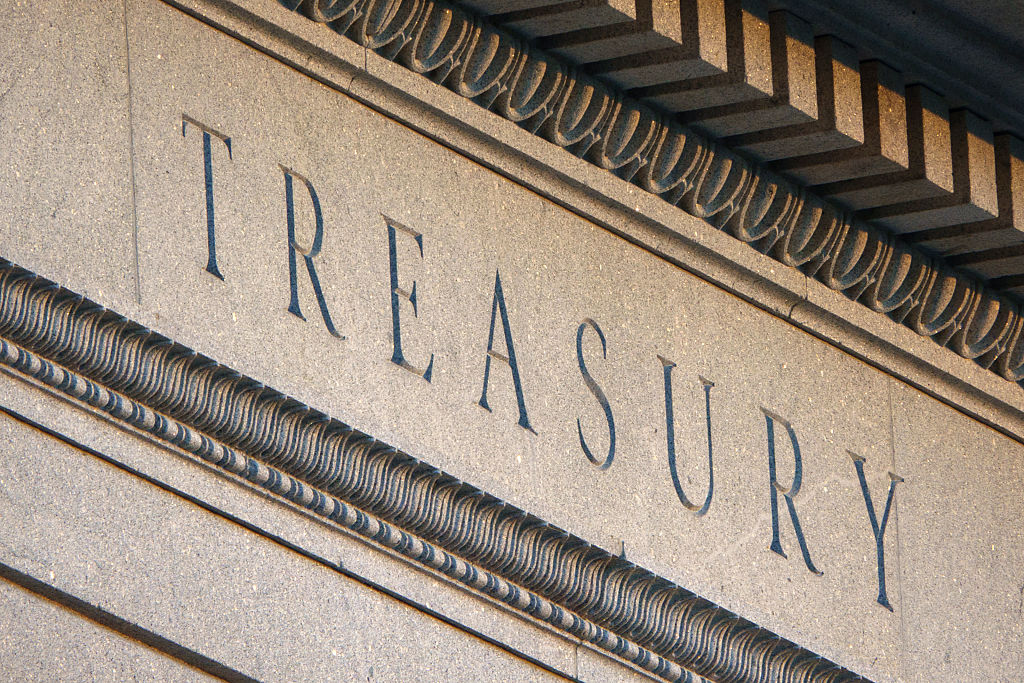
Three recent events have captured public attention related to the U.S. Treasury bond markets. Japan sold some of its U.S. Treasury holdings to support the yen, while Treasury Secretary Scott Bessent acted to counteract market pressures. U.S. bond yields, especially at the longer end, have risen due to increased supply of dollar debt and decreased demand. The Treasury announced it will purchase bonds, but its ability to do so is limited.
These events are symptoms of a broader debt problem that seems to be worsening. My analysis, based on my experience as a global macro investor, aligns with what I learned in my book "How Countries Go Broke: The Big Cycle". I recognize that this is complex material, and my goal is to share what I've learned to help people and policymakers address this issue.
Governments' debt dynamics are similar to those of individuals and companies, with two key differences. When demand for debt falls short of supply, governments can create money through their central banks to ease debt repayment (which also weakens the money). Additionally, governments can generate money through taxes. Historically, governments have accumulated more and more debt until they experience debt-service costs growing relative to incomes, or until supply of debt exceeds demand, leading to financial crises.
For the U.S., these dynamics are evident. Rising debt service costs relative to income could potentially crowd out spending, and the supply of government debt has outpaced demand, causing long-term interest rates to rise. The currency has weakened, particularly against hard assets like gold. Red-flag indicators include government debt-service costs rising beyond acceptable levels, supply of debt becoming too large relative to demand, shortening of debt maturity, currency weakening, higher interest rates hurting investment assets and the economy, and central banks printing money and credit.
Understanding these dynamics and recognizing the warning signs is crucial for navigating this situation.
Written by urgent.news from Time's reporting — not their text. Machine-written — may contain errors; check the original before relying on it.