Tenure Doesn't Mean Guilt: Indore High Court Absolves Ex-Public Servant
Indore (Madhya Pradesh): Indore bench of Madhya Pradesh High Court has set aside the conviction of former Janpad Panchayat chief executive officer (CEO) Sabeena Ninama, fully acquitting her of charges under the Prevention of Corruption (PC) Act, 1988, and Section 120-B of the IPC. The single-judge bench of Justice Jai Kumar Pillai allowed the criminal appeal against a 2018 special court judgment,…
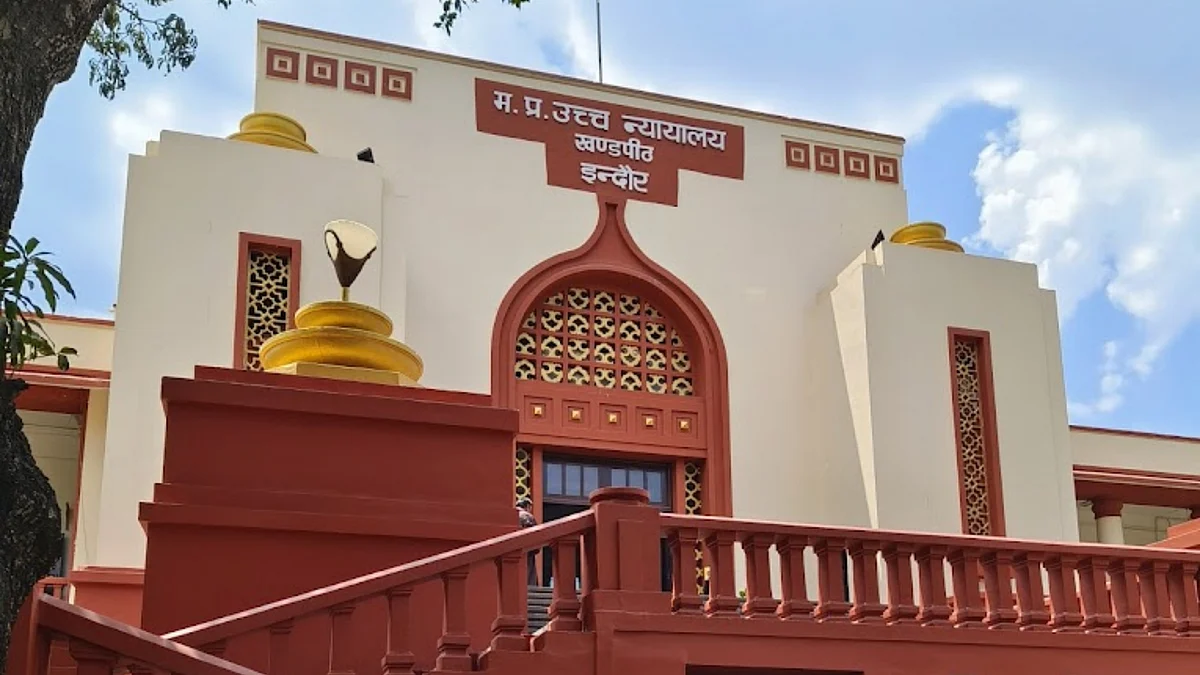
Indore, Madhya Pradesh: The Indore bench of Madhya Pradesh High Court has overturned the conviction of former Janpad Panchayat chief executive officer Sabeena Ninama, completely clearing her of charges under the Prevention of Corruption Act, 1988, and Section 120-B of the Indian Penal Code. A single-judge bench, led by Justice Jai Kumar Pillai, granted permission for the criminal appeal against a 2018 special court ruling, emphasizing that supervisory or administrative oversight alone cannot be considered criminal misconduct without proof of dishonest intent.
The investigation, conducted by the Economic Offence Wing, centered on alleged financial and administrative irregularities during Ninama's tenure as CEO in Ujjain from September 2002 to October 2003. Charges included the disappearance of 110 transit passbooks, failure to execute auction agreements for 26 mines, and excessive payments for recruitment advertisements.
During the proceedings, Ninama's legal team argued that she was not responsible for the transit passbooks or financial registers, which were the duties of the office accountants. They also showed that mandatory deposits for mine auctions were made during her time in office, legal notices were issued, and she was transferred before any confiscation could occur.
Ninama had been acquitted in a separate departmental inquiry. The court ruled that a criminal court cannot convict someone merely because they held office during the time irregularities were discovered; the burden of proof remains on the prosecution. The prosecution could not demonstrate any personal gain for Ninama or herself, nor prove intentional harm to the state treasury.
The evidence pointed more towards administrative oversight or supervisory inadequacy, not criminal misconduct without dishonest intent. The High Court dismissed the 2018 conviction, ordered the return of any fines paid, and fully discharged Ninama's bail bonds.
Written by urgent.news from Free Press Journal's reporting — not their text. Machine-written — may contain errors; check the original before relying on it.