Tanggapan lapuk punca orang ramai bimbang terhadap WTE, kata pakar
Pakar alam sekitar berkata ketelusan dan libat urus awam lebih menyeluruh penting untuk mengatasi bantahan terhadap projek sisa kepada tenaga.
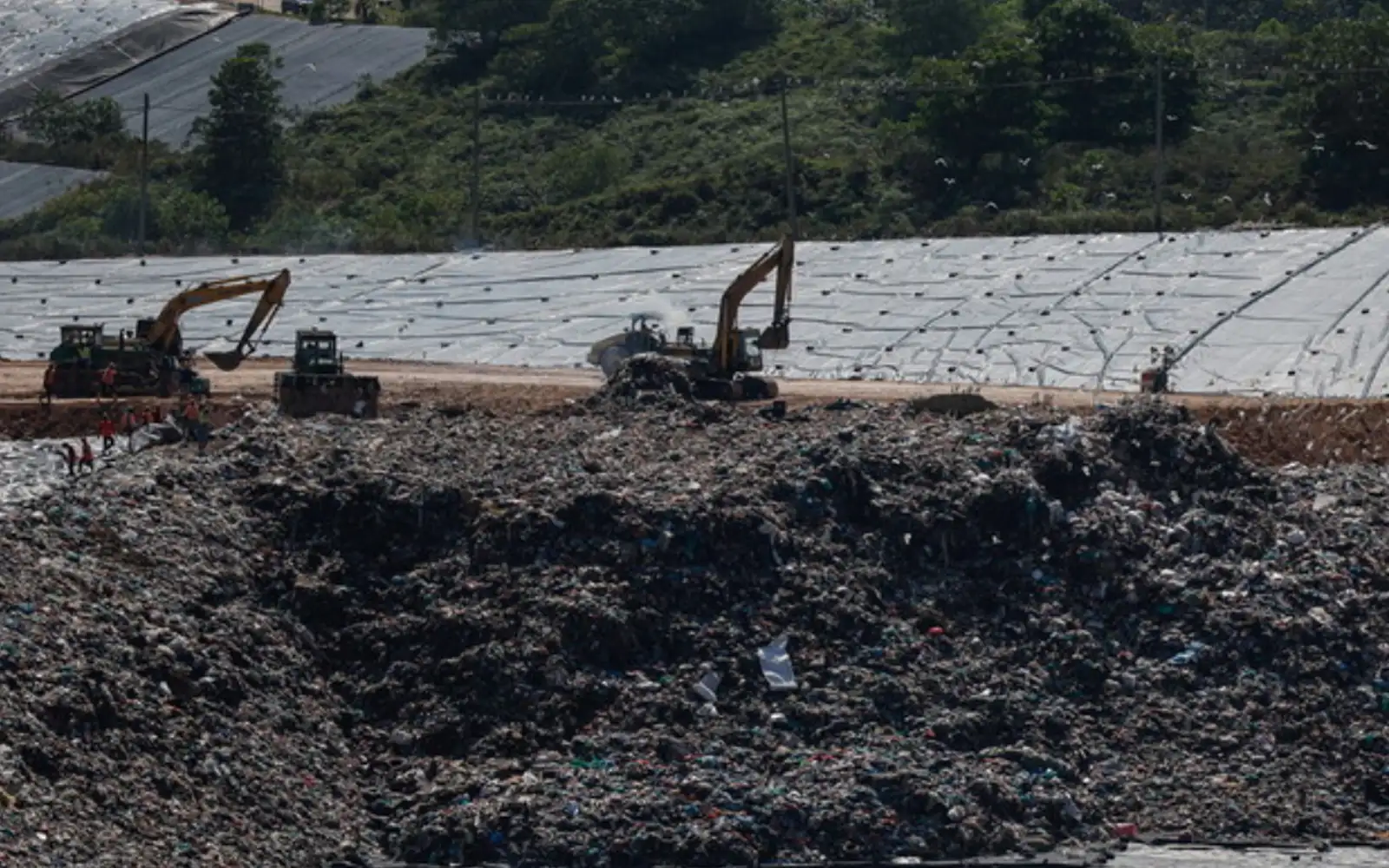
Rakyat Malaysia, who generate approximately 39,000 tonnes of waste daily, often face concerns regarding Waste-to-Energy (WTE) projects, according to environmental engineering expert Marfiah Wahid from Universiti Teknologi Mara (UiTM). This phenomenon, known as NIMBY (Not In My Backyard), stems from residents' apprehensions over pollution, traffic congestion, noise, and other related issues.
Despite acknowledging the need for better waste management systems, the public's support for WTE facilities dwindles when they are proposed near residential areas. Marfiah explains that this concern is often based on personal experiences with waste management facilities, including odors, traffic congestion, noise pollution, and inadequate management.
She adds that the location of certain projects, such as former landfill sites, as well as the scale of development and potential health impacts, further contribute to public skepticism. The expert clarifies that WTE technology differs significantly from conventional incinerators, as it not only purifies waste but also generates useful energy, such as electricity or biogas.
However, public opposition should not be dismissed lightly, as certain concerns have a basis. Residents often worry about odors, increased traffic due to heavy vehicles, and potential long-term health effects, especially when facilities are proposed near residential areas. Marfiah emphasizes the importance of starting public consultations early in the project's lifecycle and maintaining them throughout its implementation.
She stresses that project developers and authorities must remain open and constantly inform the public about control measures and efforts to minimize environmental impact. While public concerns must be addressed, she warns that rejecting all waste management facilities proposed would also have adverse environmental and economic consequences.
Malaysia generates around 39,000 tonnes of waste daily, a figure that continues to rise each year. Although recycling rates are improving, a large portion of waste is still disposed of in landfills. Marfiah suggests that if we do not want to use landfills, WTE is one of the alternatives. She highlights that the most significant mechanisms to address public concerns in Malaysia include the Environmental Impact Assessment (EIA) process.
This process is mandatory before any project is carried out to identify potential environmental, social, and health impacts and determine necessary measures to mitigate them. The process typically involves technical studies, stakeholder consultations, and public input. It usually goes through several rounds of review before approval, particularly if authorities request additional information or modifications to environmental protection measures.
Marfiah emphasizes that a WTE project in Malaysia cannot proceed from the planning stage without a comprehensive EIA. She also stresses that project developers must follow stringent standards set by the Department of Environment (JAS) for discharge.
Written by urgent.news from Free Malaysia Today's reporting — not their text. Machine-written — may contain errors; check the original before relying on it.
This story
This is one outlet's version. Read the fullest account.
- Tanggapan lapuk punca orang ramai bimbang terhadap WTE, kata pakar freemalaysiatoday.com