Tagore's thread of unity to booming trade - how Rakhi became Rs 25k cr business
In August 1905, on the eve of a British-imposed partition of Bengal, Rabindranath Tagore initiated a public act of civil disobedience through Raksha Bandhan. Tagore asked Hindus and Muslims to tie rakhis on each other's wrists, transcending communal lines to demonstrate unity against the divide-and-rule strategy being employed by the colonial administration.
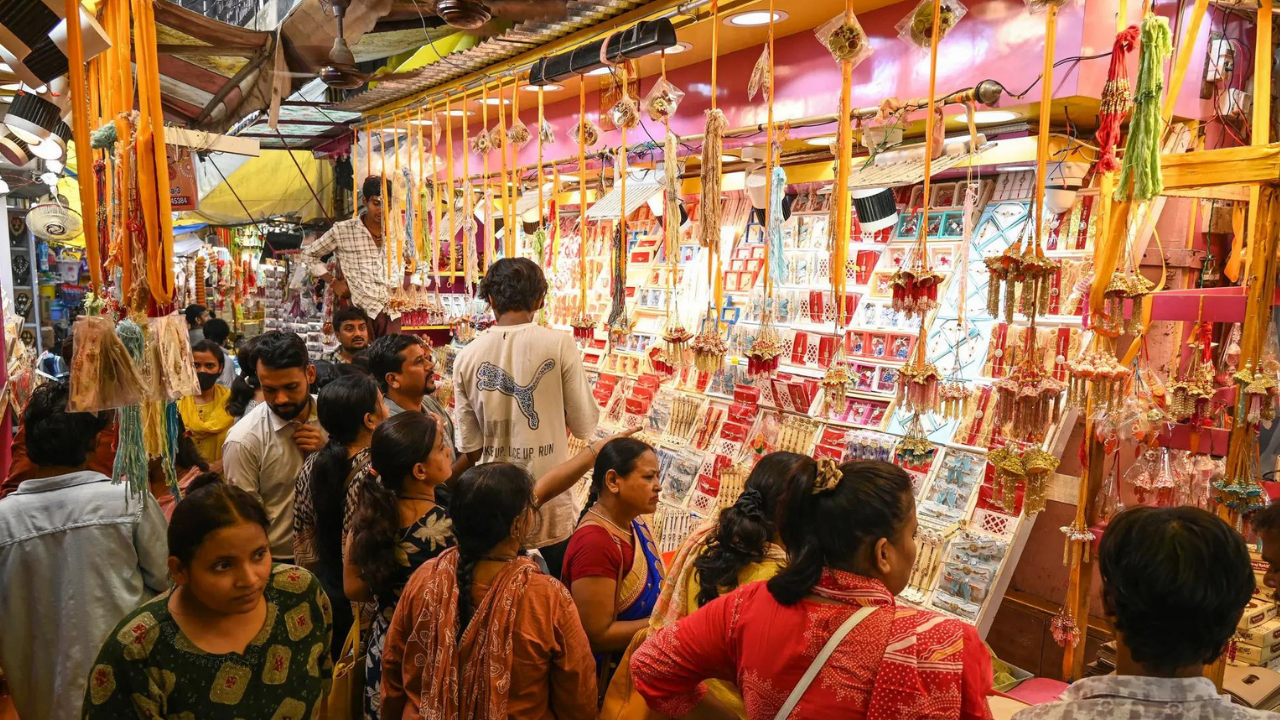
Over a century later, Raksha Bandhan remains a symbol of unity but has evolved into a major retail event in India, with an estimated turnover of Rs 25,000 crore annually. This surge in popularity is attributed to the convergence of India's e-commerce boom, gig economy, and small-scale manufacturing. Rakhi production still relies on traditional craft clusters, primarily in Kolkata, Nagpur, Jaipur, Pune, Assam, Bihar, and other regions, while modern designs reflect current events and government messages.
The industry has witnessed a shift towards personalization, with sublimated names and photographs on rakhis, as well as curated gifting boxes catering to various budgets and preferences. However, the most significant change lies in delivery methods, with quick-commerce platforms providing same-day or even same-hour deliveries through dark stores and real-time inventory management.
This transformation has displaced street vendors, who now face competition from online retailers offering convenience, personalization, and quick turnaround times.
Written by urgent.news from Times of India's reporting — not their text. Machine-written — may contain errors; check the original before relying on it.