Study links cognitive decline to surprisingly small daily amount of artificial sweeteners
Adults who ingest daily the amount of artificial sweetener typically found in a can of diet soda exhibited cognitive decline at a rate 62 percent faster than people whose intake is only a fraction of that amount, according to a new eight-year study published in the medical journal Neurology. Researchers in Brazil followed more than 12,700 adults with an average age of 52 and examined their use of…
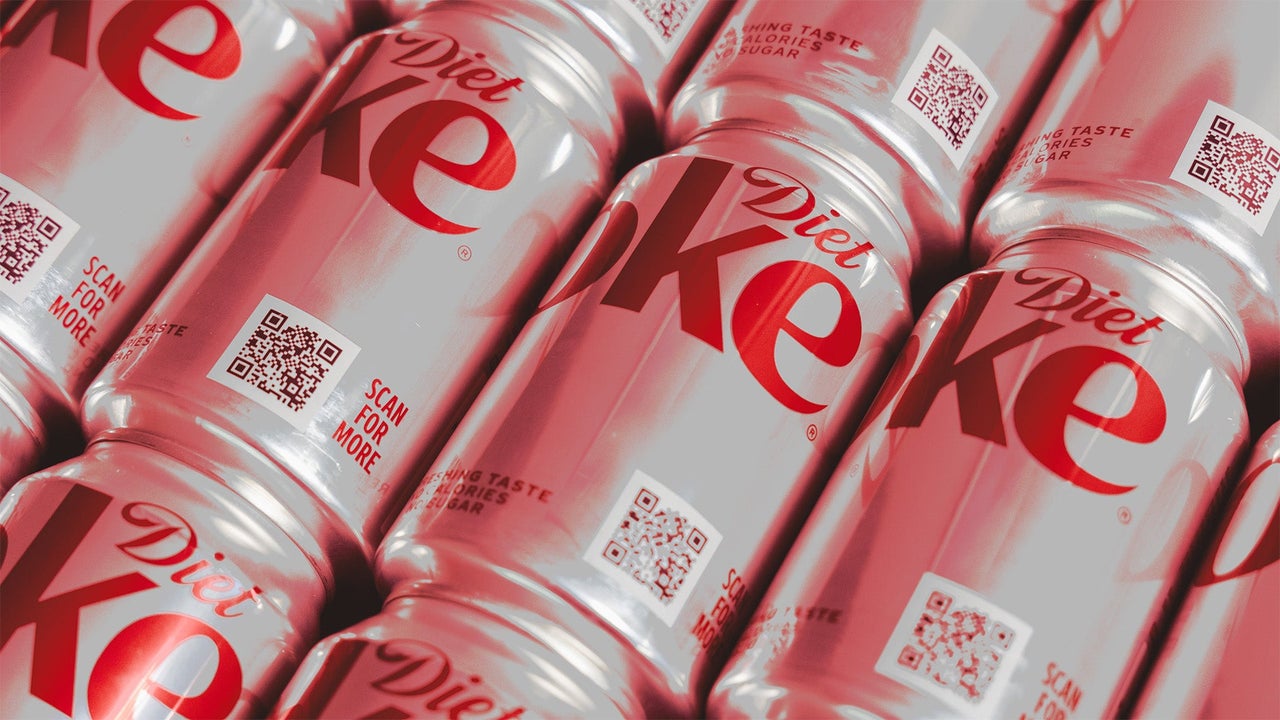
A recent eight-year study published in Neurology reveals that adults consuming daily amounts of artificial sweeteners, similar to those found in a can of diet soda, experience cognitive decline at a rate 62 percent faster than those with minimal consumption. Researchers from Brazil examined the use of seven common low- and no-calorie sweeteners, including aspartame, saccharin, and acesulfame K, among over 12,700 adults with an average age of 52.
Participants who consumed the highest amounts of sweeteners, averaging 191 milligrams a day, exhibited cognitive decline equivalent to roughly 1.6 years of additional brain aging, compared to those who consumed the least, averaging only 20 milligrams. Six of the seven studied sugar substitutes were linked to faster cognitive decline, particularly memory loss.
Tagatose was the only exception. Study author Dr. Claudia Kimie Suemoto of the University of São Paulo in Brazil noted that low- and no-calorie sweeteners are often perceived as a healthy alternative to sugar, but the study suggests they may have negative effects on brain health over time. The link between artificial sweeteners and cognitive decline was strongest among younger adults and those with diabetes.
However, researchers cautioned that the findings do not definitively prove that sweeteners directly cause cognitive decline, as other factors could explain the pattern. This study aligns with a recent University of Cambridge investigation that raises questions about the interaction of artificial sweeteners with the gut microbiome.
In laboratory tests, Cambridge researchers exposed 25 species of gut bacteria to 39 artificial sweeteners, finding that about three-quarters of the sweeteners altered at least one species. Some sweeteners slowed or stopped microbes associated with digestive health and blood-sugar regulation, while one low-calorie sweetener, isosteviol, significantly suppressed beneficial gut microbes when combined with the antidepressant duloxetine.
Dr. Sonja Blasche, a lead author of the Cambridge study, emphasized that sweeteners are often marketed as metabolically neutral, but the study challenges this idea, highlighting the potential for sweeteners to interact with gut microbes and other substances like medications. Professor Kiran Patil of the Medical Research Council Toxicology Unit at the University of Cambridge stressed that the findings underscore the unknown consequences of artificial sweeteners on human health, calling for further research to understand these interactions.
Written by urgent.news from Fast Company's reporting — not their text. Machine-written — may contain errors; check the original before relying on it.