Stablecoins not a credible means of payment at scale, BIS chief says
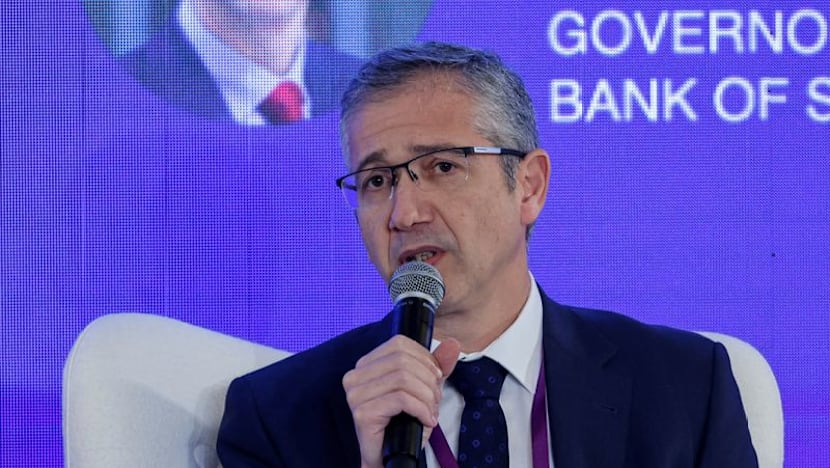
Pablo Hernandez de Cos, the head of the Bank for International Settlements, contends that stablecoins cannot be considered a reliable method of payment at scale. He believes that tokenized deposits present a more promising avenue to leverage the advantages of this emerging technology. Stablecoins are cryptocurrencies engineered to uphold a steady value, prompting apprehensions about financial stability and money laundering among government officials, particularly outside the United States.
U.S. Treasury Secretary Scott Bessent, however, has voiced endorsement for stablecoins, asserting that they symbolize a digital transformation that could reinforce the dollar's status as the premier reserve currency and drive demand for billions of dollars worth of U.S. Treasury securities. During his remarks at the U.S. Federal Reserve's Jackson Hole Economic Policy Symposium in Wyoming, de Cos emphasized that both stablecoins and tokenized deposits could coexist, yet he argued that tokenized deposits should account for the majority of everyday transactions, while stablecoins should assume more specific functions.
Written by urgent.news from Channel News Asia's reporting — not their text. Machine-written — may contain errors; check the original before relying on it.
This story
This is one outlet's version. Read the fullest account.
- Stablecoins not credible for payments at scale, BIS chief says cointelegraph.com
- BIS chief says stablecoins are not a credible payment method investing.com
- Stablecoins not a credible means of payment at scale, BIS chief says channelnewsasia.com