SoftBank-backed surgical robotics firm eyes Hong Kong listing to power mainland China push
SoftBank-backed surgical robotics company Noah Medical has begun preparations for a Hong Kong initial public offering, joining a wave of cutting-edge technology firms tapping the city’s international fundraising pool. The US-headquartered company aimed to raise more than US$100 million and planned to file its listing application as early as next year, according to founder Zhang Jian. “We want to…
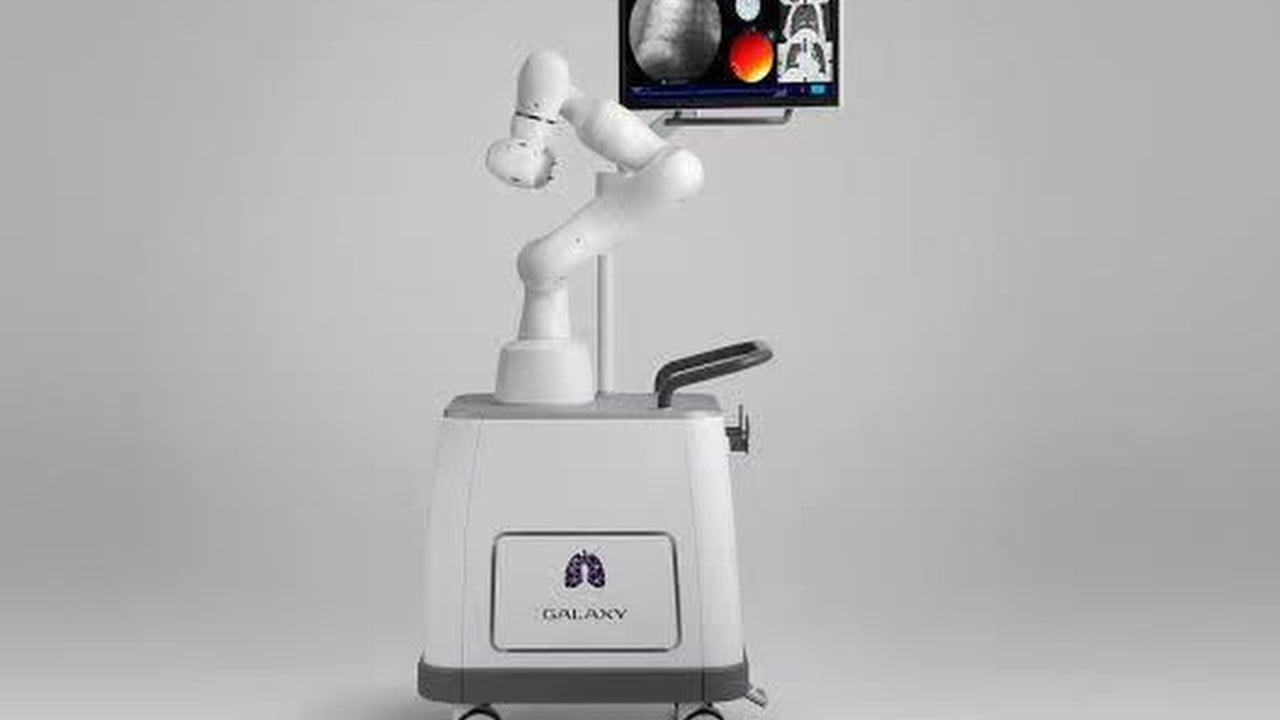
SoftBank-backed surgical robotics firm Noah Medical is set to list on the Hong Kong Stock Exchange, capitalising on the city’s reputation as a global financial hub. The company aims to raise over $100 million and plans to list its shares as early as next year, according to its founder Zhang Jian. Zhang believes Hong Kong’s status as an international financial centre with a globally recognised stock exchange makes it the ideal location for Noah Medical’s IPO.
The US-headquartered company intends to expand its presence in mainland China, with a focus on top-tier and emerging cities such as Hangzhou, the capital of Zhejiang province. Sir Run Run Shaw Hospital is among Noah Medical’s prospective customers, following approval from China’s drug regulator in November last year. The hospital had already procured Noah Medical’s equipment, according to Zhang.
Currently, 90% of Noah Medical’s revenue originates from the United States, where its surgical robots have treated approximately 15,000 patients. The company’s investors include SoftBank Vision Fund, Lenovo Capital and Incubator, HongShan Capital Group, Saudi Aramco, Medtronic, Olympus, and Primavera Capital. As of September 2025, Noah Medical was valued at around $571.5 million, according to market intelligence provider Forge Global.
Noah Medical specializes in developing surgical robots that reach internal organs through natural orifices, bypassing the need for traditional incisions. The robots, priced at around $1.5 million per unit in China, require patients to pay approximately $10,000 per operation. Patients typically experience minimal bleeding, as the procedure avoids cutting through skin and tissue, and many can leave the hospital on the same day or after a single night.
Furthermore, the absence of body scarring is a notable benefit, as Zhang, a mechanical engineering graduate from Columbia University, explained during an interview in Hong Kong.
Written by urgent.news from SCMP Tech's reporting — not their text. Machine-written — may contain errors; check the original before relying on it.
This story
This is one outlet's version. Read the fullest account.
- SoftBank-backed surgical robotics firm eyes Hong Kong listing to power mainland China push scmp.com
- Hong Kong begins ride-hailing licence applications news.rthk.hk
- Hong Kong enhances heat stress warning system after chorus of criticism, but rules still not binding hongkongfp.com
- Shein’s Hong Kong IPO pricing values company at US$26.5b: sources businesstimes.com.sg