Sixth‑generation race intensifies as India eyes global collaborations
India is exploring future air combat technologies by joining two major fighter programs. New Delhi has become a dialogue partner in the UK-Japan-Italy's GCAP program. India is also engaging with France's FCAS project, which is a potential pathway. These sixth-generation fighters will feature advanced capabilities like AI and directed-energy weapons. This engagement positions India to shape the…
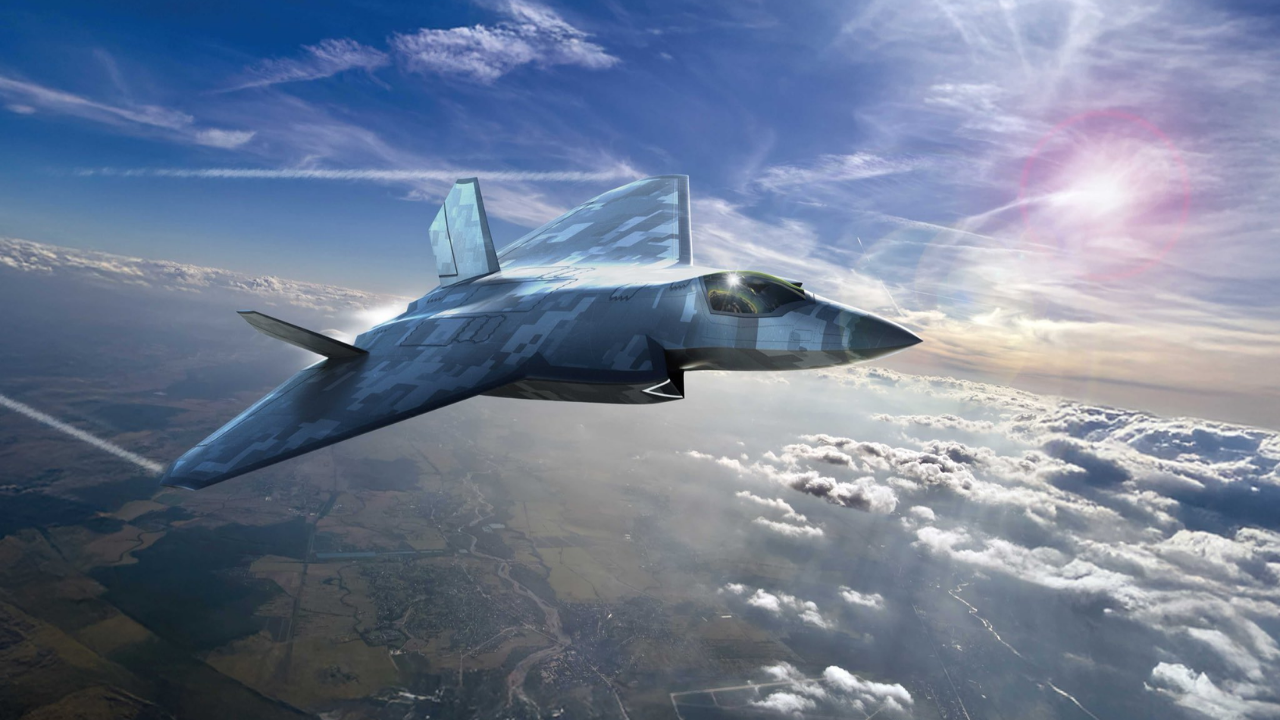
India has entered the sixth-generation fighter programme as a dialogue partner, signaling its interest in future air combat technologies. The UK-Japan-Italy Tempest programme recently received $6.1 billion to advance its design phase with a projected induction date of 2034. India's dialogue partner status does not entail buying or developing the jet, but it grants access to discussions about the aircraft's progress, technology, and capabilities.
The Indian defence ministry has confirmed that India is simultaneously evaluating both the UK-Japan-Italy programme (GCAP) and the French-led FCAS. Defence Secretary RK Singh has stated that both options are being carefully considered due to the heavy financial and technological requirements of creating a sixth-generation platform independently.
The FCAS, now under French leadership after Germany's departure, is expected to come into service around 2028-29, aligning with India's own fifth-generation Advanced Medium Combat Aircraft (AMCA) slated for first flight around the same time. This parallel development underscores India's ambition to leap into next-generation airpower.
Recent split between France and Germany over aircraft carrier operability and nuclear delivery capabilities has opened doors for India to align more closely with France, as India possesses both capabilities. The defence ministry informed the Parliamentary Standing Committee on Defence that efforts are underway to co-join the FCAS spearheaded by the French Government.
Sixth-generation fighters are expected to possess advanced capabilities such as all-aspect stealth shaping, digital-first engineering, variable-cycle engines, advanced radars powered by gallium nitride transistors, directed-energy weapons, integrated artificial intelligence, cyber warfare tools, and manned-unmanned teaming with loyal wingman drones. These features are poised to offer a significant edge over current aircraft.
On a global scale, the race for sixth-generation fighters is intensifying. The United States is advancing its F-47 under the Next Generation Air Dominance project alongside the Navy's F/A-XX, while China is testing prototypes named J-36 and J-50. Against this backdrop, India's engagement with both GCAP and FCAS is not merely about technology access but also about positioning itself as a serious contender in shaping the future of aerial combat.
Written by urgent.news from Times of India's reporting — not their text. Machine-written — may contain errors; check the original before relying on it.