Six months of war leaves Gulf oil trapped between two chokepoints
Six months after the US and Israel launched Operation Epic Fury against Iran on February 28, the Strait of Hormuz has yet to recover even a quarter of the roughly 20 million barrels a day of crude it carried before the war. The alternative route Gulf producers turned to, the Red Sea, is now under pressure too. Following the killing of Iran’s supreme leader Ali Khamenei , Tehran began targeting…
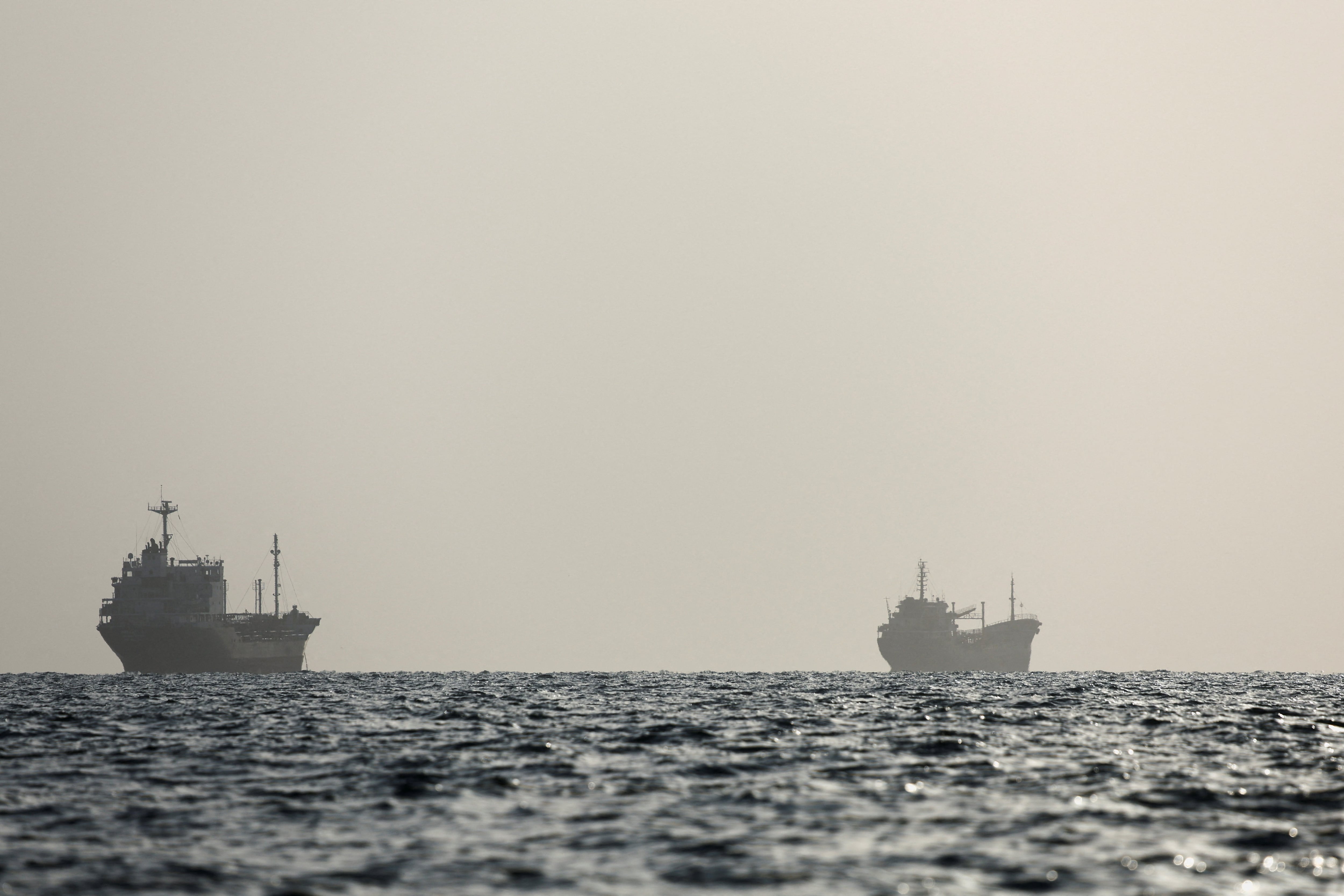
Six months after the US and Israel's military operation against Iran, the Strait of Hormuz has not yet recovered even a quarter of the 20 million barrels per day of crude that once flowed through it. The Red Sea, previously the alternative route, is now also facing strain. Iran intensified attacks on Gulf refineries and gas plants shortly after supreme leader Ali Khamenei's death and reopened the Strait of Hormuz, which was closed, only to have it collapse due to Iran demanding a role in managing the waterway and charging tolls.
Diplomatic talks to reopen the strait continue, but traffic remains minimal. The war has also shifted the Gulf states' political calculations, with Saudi Arabia, the UAE, and Qatar increasing their trade and energy links to reduce dependence on any single route. However, the alternatives remain limited. The UAE left OPEC and expanded exports outside the Gulf, while Saudi Arabia relies more on pipelines and longer shipping routes.
The conflict has raised concerns about the reliability of US security guarantees. The International Energy Agency described the oil disruption as the largest on record, with global supply falling by about 12 million barrels per day, more than double the loss during the 1979 Iranian revolution. Unlike previous oil shocks, this one affected multiple commodities, disrupting oil, refined products, gas, and fertilizers.
Traffic through Hormuz dropped from an average of 88 ships per day to around 16, according to Kpler. Brent crude surged to $126 a barrel before falling to around $88. Key infrastructure in the Gulf has been targeted, including Saudi Arabia's Ras Tanura refinery, Qatar's Ras Laffan LNG complex, and Kuwait's refineries. Gulf states have had to adapt, with the UAE leaving OPEC and expanding exports, Saudi Arabia increasing reliance on the Red Sea, and Kuwait exploring alternative routes.
Written by urgent.news from The National Business's reporting — not their text. Machine-written — may contain errors; check the original before relying on it.
This story
This is one outlet's version. Read the fullest account.
- Six months of war leaves Gulf oil trapped between two chokepoints thenationalnews.com