September risks are stacking up hard and fast for world markets
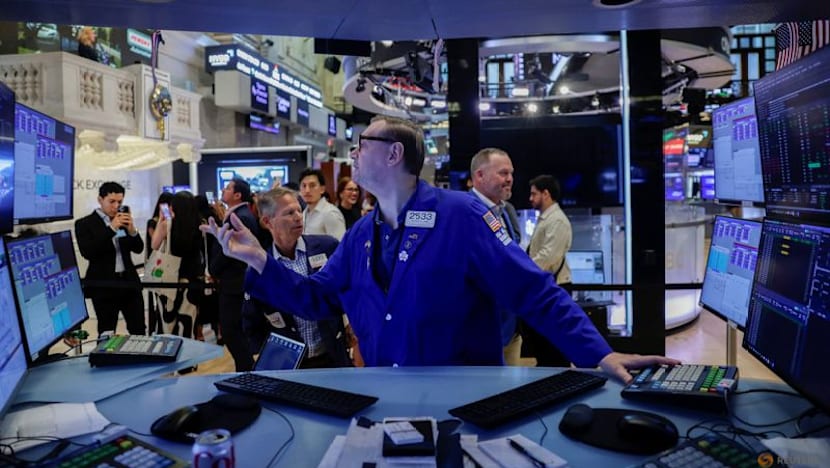
As markets reopen after August breaks, traders face a variety of risks, with high government debt and persistent inflation topping the concerns. The ongoing Iran conflict has been a significant driver behind the market fluctuations. Oil and gas prices have experienced volatility as traders attempt to determine the timing and manner in which key waterways, particularly the Strait of Hormuz, will re-open.
This uncertainty has benefited energy stocks but has negatively impacted significant energy consumers, leading to increased inflation that has impacted government bonds.
The Federal Reserve and the Bank of Japan are set to meet in the same week, potentially amplifying market volatility. Chair Kevin Warsh's comments during the Fed's September 16 meeting are crucial, with a 40% chance of a rate hike. Warsh, who will speak at the Jackson Hole Symposium on Friday, emphasizes the importance of market cues, but his communication style has caused confusion. Additionally, Japan's Bank of Japan is expected to raise rates on September 18, further contributing to market uncertainty.
The rise of artificial intelligence (AI) is another factor affecting the market. Anthropic, a leading AI firm, is expected to go public, potentially raising up to $100 billion. This could pose a risk to the AI sector as investors absorb the surging bond sales for big-tech capital expenditure. Anthropic's IPO valuation could skyrocket to $1 trillion, making it one of the largest listed companies globally.
The performance of AI-related stocks, such as Nvidia and Microsoft, is closely tied to this theme and could significantly impact the overall market.
In France, the government is expected to submit a draft budget to the National Assembly, aiming to control the deficit ahead of the 2027 presidential election. The far-right party may gain ground, potentially impacting the French bond market. Similarly, Germany's Chancellor Friedrich Merz faces electoral challenges, which could affect German bond performance.
Meanwhile, Britain's new Prime Minister Andy Burnham's policies have not attracted significant market attention. However, his growth-oriented strategies amidst financial constraints could change that. Burnham, along with the new finance minister John Healey, will face crucial tests in the October budget and the Labour Party Conference in September.
The 10-year borrowing costs in Britain are elevated but have slightly decreased from their peak in May. Burnham's commitment to UK fiscal rules may provide some stability, but there is a risk of pushing the boundaries, which could be counterproductive.
Written by urgent.news from Channel News Asia's reporting — not their text. Machine-written — may contain errors; check the original before relying on it.
Also reported by 1 other outlet
- September risks are stacking up hard and fast for world markets channelnewsasia.com