Seoul expands tick surveillance to prevent infection surge during autumn
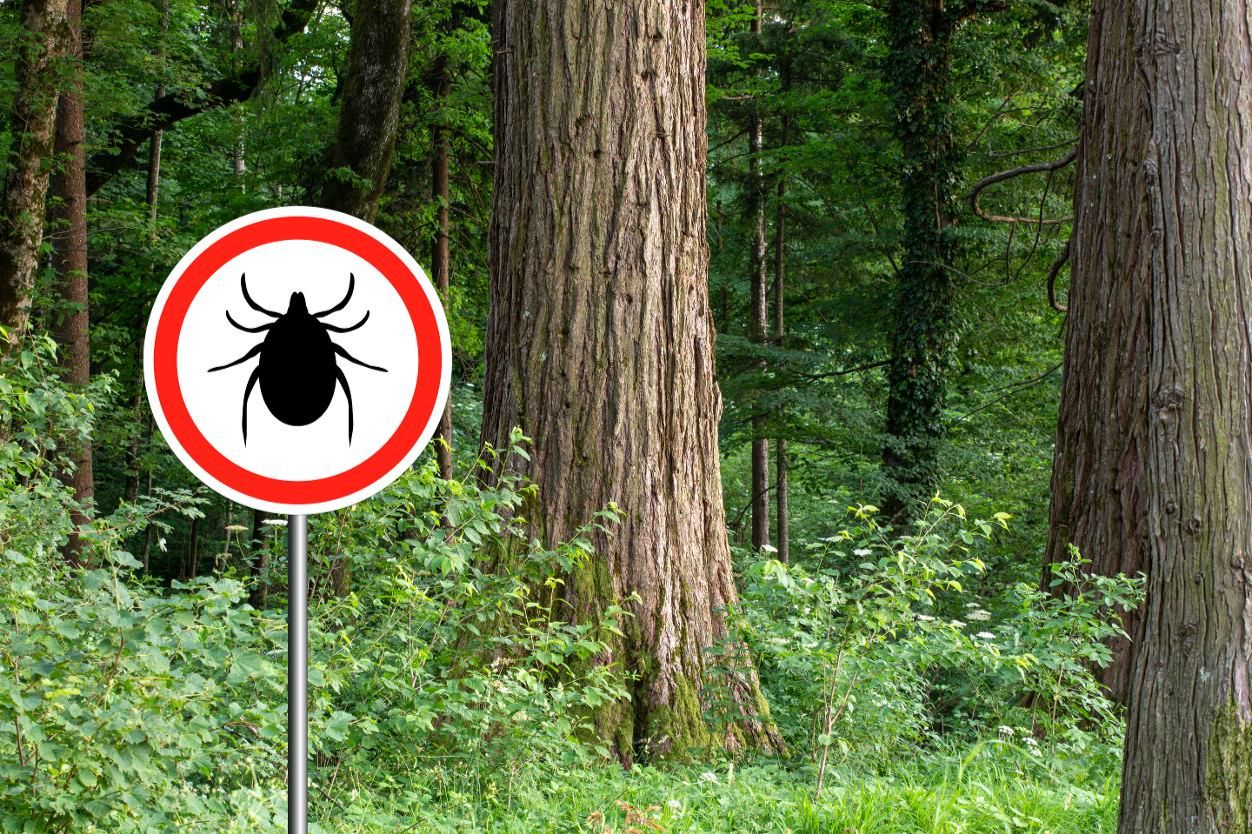
Seoul is stepping up surveillance of disease-carrying ticks in parks and along walking trails as autumn approaches, following Korea's first Severe Fever with Thrombocytopenia Syndrome (SFTS) death of the year, reported on Jeju Island on Aug. 5. From April through October, the Seoul Research Institute of Public Health and Environment is conducting intensive monitoring across high-risk green…
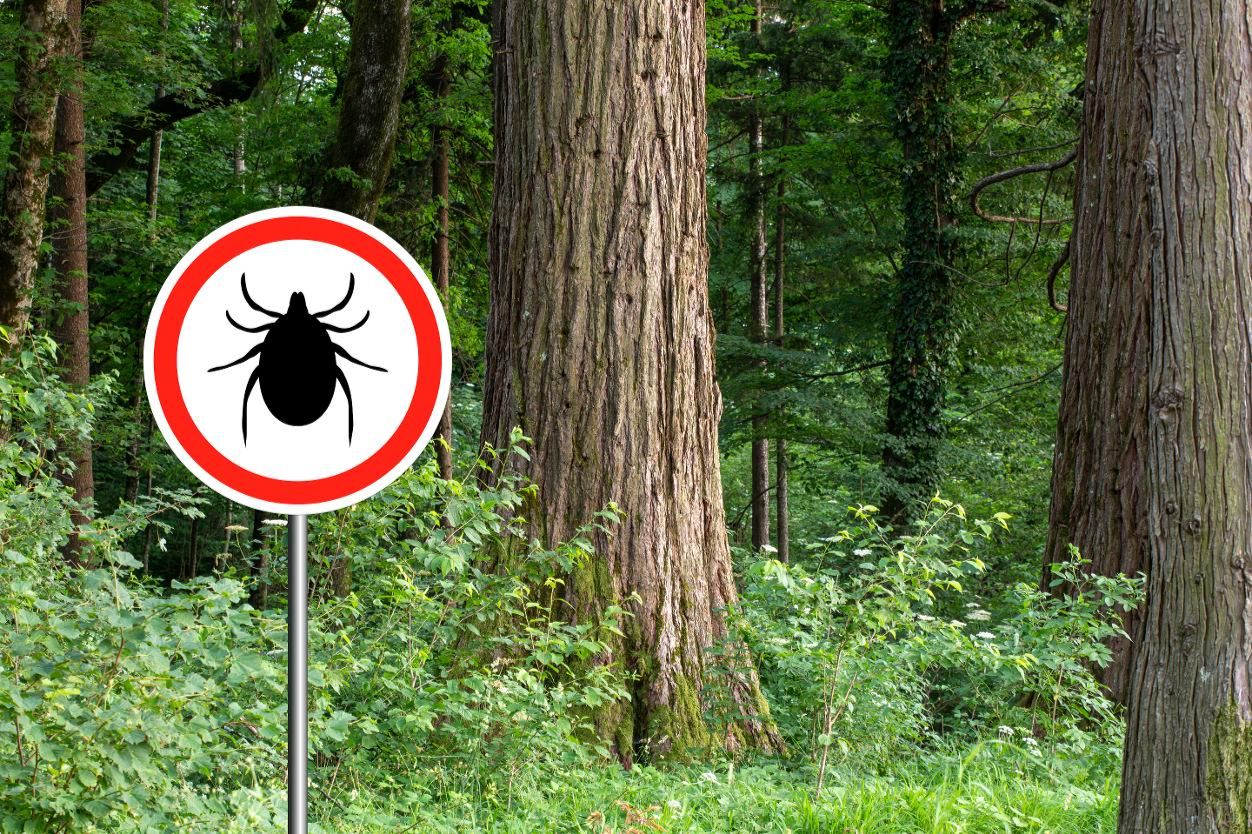
Seoul is increasing surveillance of ticks carrying diseases in parks and walking trails as autumn draws near, following Korea's first fatality from Severe Fever with Thrombocytopenia Syndrome (SFTS) on Jeju Island on August 5. From April to October, the Seoul Research Institute of Public Health and Environment is conducting thorough monitoring in high-risk green spaces.
Researchers are focusing on Han River parks, ecological reserves, popular hiking trails, barefoot walking areas, and dog parks, where dense vegetation and human activity intersect. As of August, the institute had collected around 480 ticks, with laboratory tests confirming no instances of the SFTS virus in the collected specimens.
SFTS, first identified in East Asia, is a viral infection spread through the bite of an infected hard tick, mainly the Asian bush tick (Haemaphysalis longicornis). The illness has a high fatality rate, often between 12 and 30 percent, due to the lack of specific antiviral treatments or preventive vaccines. Symptoms usually include fever, headache, fatigue, muscle pain, and vomiting.
Written by urgent.news from The Korea Times's reporting — not their text. Machine-written — may contain errors; check the original before relying on it.