Scientists invent a gel that creates neurons from other cells, which could help treat Alzheimer's
Scientists found a way to convert brain cells called astrocytes into neurons. In theory, this could replenish neurons lost in neurodegenerative conditions like Alzheimer's disease.
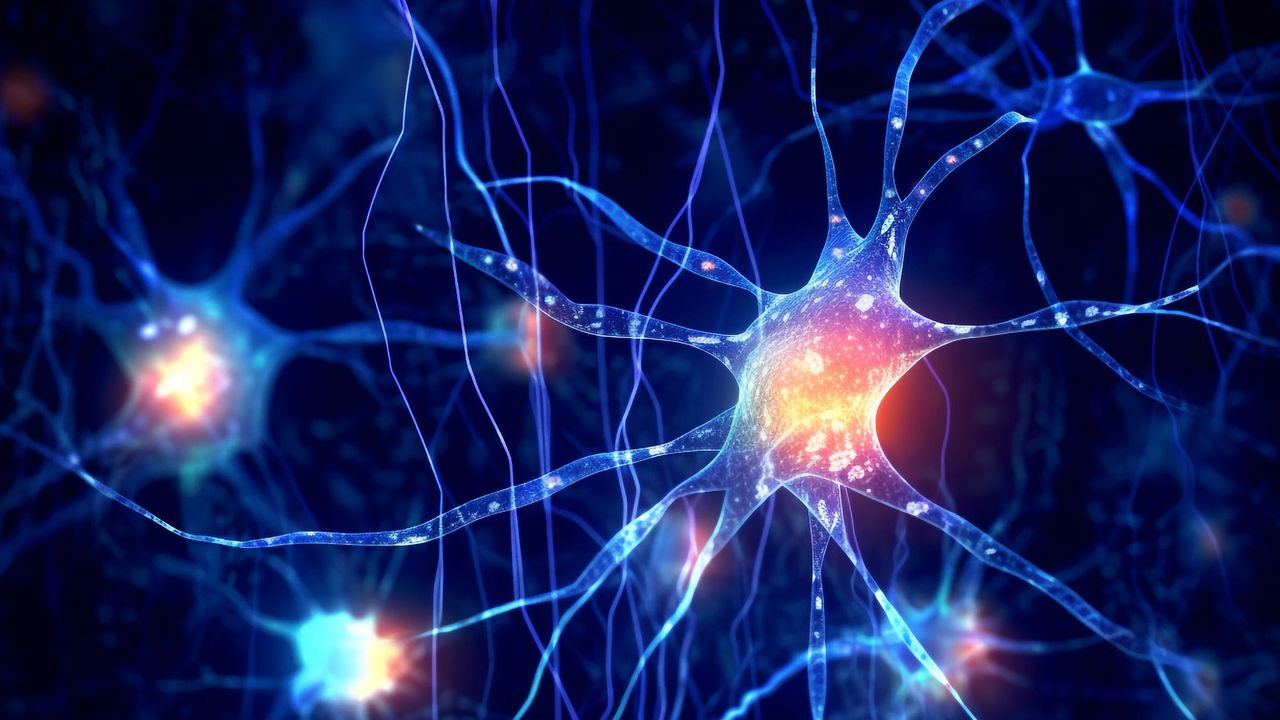
Scientists have developed a gel that can transform astrocytes, a type of brain cell, into neurons, offering potential hope for treating Alzheimer's disease. The study, published in Cell Biomaterials, indicates that reducing the levels of PTBP1, a key protein in astrocytes, may convert these cells into neurons. This could replenish lost neurons, potentially restoring brain function.
The gel, created using a technique called Nano-Eraser, can cross the blood-brain barrier, a crucial step for developing brain therapies. In tests, the gel successfully transformed human astrocytes in lab dishes into neurons, exhibiting characteristics of neurons. It also showed similar results in mouse models of Alzheimer's disease, with increased neuron density and reduced inflammation.
However, the transformation of astrocytes into neurons in live mice has not been confirmed. While the findings are intriguing, further research is needed to understand the long-term effects and ensure the treatment's safety and effectiveness in humans.
Written by urgent.news from Live Science's reporting — not their text. Machine-written — may contain errors; check the original before relying on it.