Russia drove most ships from Ukraine’s ports. Now its drones are hunting the trains
By late August, Ukraine had exported only a third of its normal volume of farm goods. Russia damaged more than 250 locomotives in six months.
In July, Ukraine's grain exports through its Black Sea ports peaked, but Russian attacks dramatically reduced ship traffic from August 1-26. Only 1.42 million tons of agricultural products were exported, a third of the potential volume. Rail and the Danube carried the remaining 600,000 tons each. Ukraine now anticipates exporting 38-40 million tons of grain in the 2026/27 season, a decrease from 43 million tons before the attacks intensified.
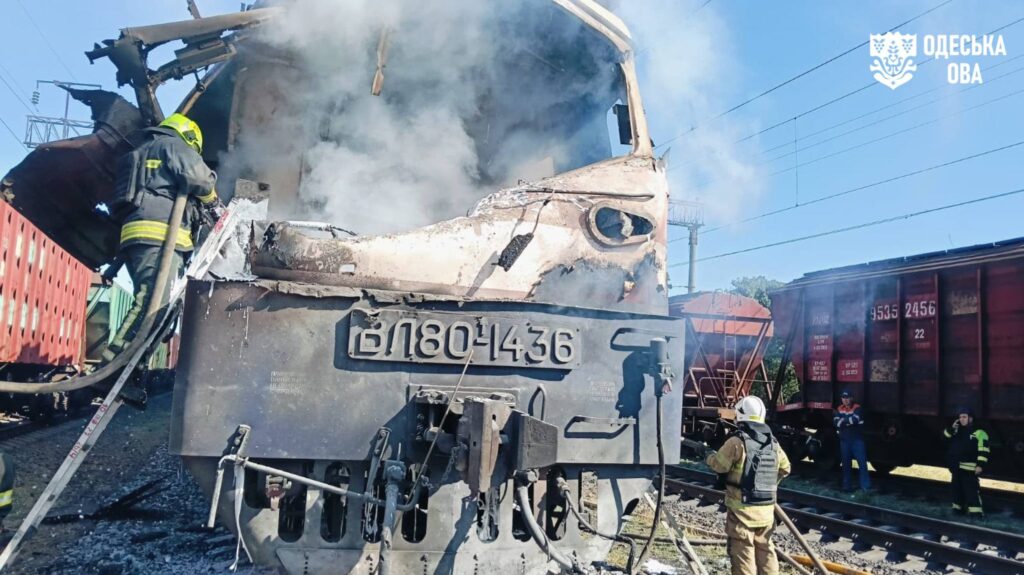
Agriculture Minister Taras Vysotskyi reported that 492 locomotives have been damaged, with Russia now employing drones armed with cameras to track trains and redirect others. The attacks have not entirely halted railway operations; damaged lines typically reopen swiftly, and passengers are ferried around closed sections using buses.
With fewer ships arriving at the ports, each damaged locomotive leaves less capacity for future disruptions. Prior to the strike wave, the Odesa port handled about 80% of Ukraine's agricultural exports. During the first 25 days of August, rail transport carried 461,000 tons, a 67% decrease from July and 77% lower than the same period last year.
The rail sector now targets a significant portion of the dwindling export flow. Grain traffic through the Black Sea corridor plummeted after the July attacks, with no vessels entering Odesa ports on July 22, the first day since the corridor opened. By August 24, traffic had partially resumed, with three or four ships entering and leaving the Odesa ports daily.
However, cargo volumes remained three to four times lower than pre-attack levels. Maersk and Hapag-Lloyd suspended feeder services to Greater Odesa in late July and early August, rerouting imports to Constanța. Despite the ports remaining formally open, the attacks altered shipowners' and insurers' risk assessments. The late August recovery indicates Russia did not enforce a complete blockade, but commercial traffic remained far below its previous capacity.
Written by urgent.news from Euromaidan Press's reporting — not their text. Machine-written — may contain errors; check the original before relying on it.
This story
This is one outlet's version. Read the fullest account.
- Shells, stalled contracts, and no armor for wounded — Ukraine's new defense minister's problem list kyivindependent.com
- Ukraine minister: Russia has destroyed about 90% of grocery logistics english.nv.ua
- Zelensky orders Ukraine’s military to launch 1,000 drones a day at Russia meduza.io
- Ukraine reinforces Donetsk as it seeks to disrupt Russia’s weapons flow aljazeera.com
- Ukraine’s intelligence: Russia is running its Nepal, Cuba, Kenya, and India recruitment scheme in Indonesia now euromaidanpress.com