REFLECTION: How documents, race and perceived value shape who is labelled a foreigner in SA
We love to celebrate cultural difference, until we start ranking it. Through the lens of Contra.Joburg’s Different Is Good festival theme, South Africa’s rising xenophobia is confronted, unpacking why some forms of foreignness are embraced, while others are forced to justify their existence.
How documents, race and perceived value shape who is labelled a foreigner in SA
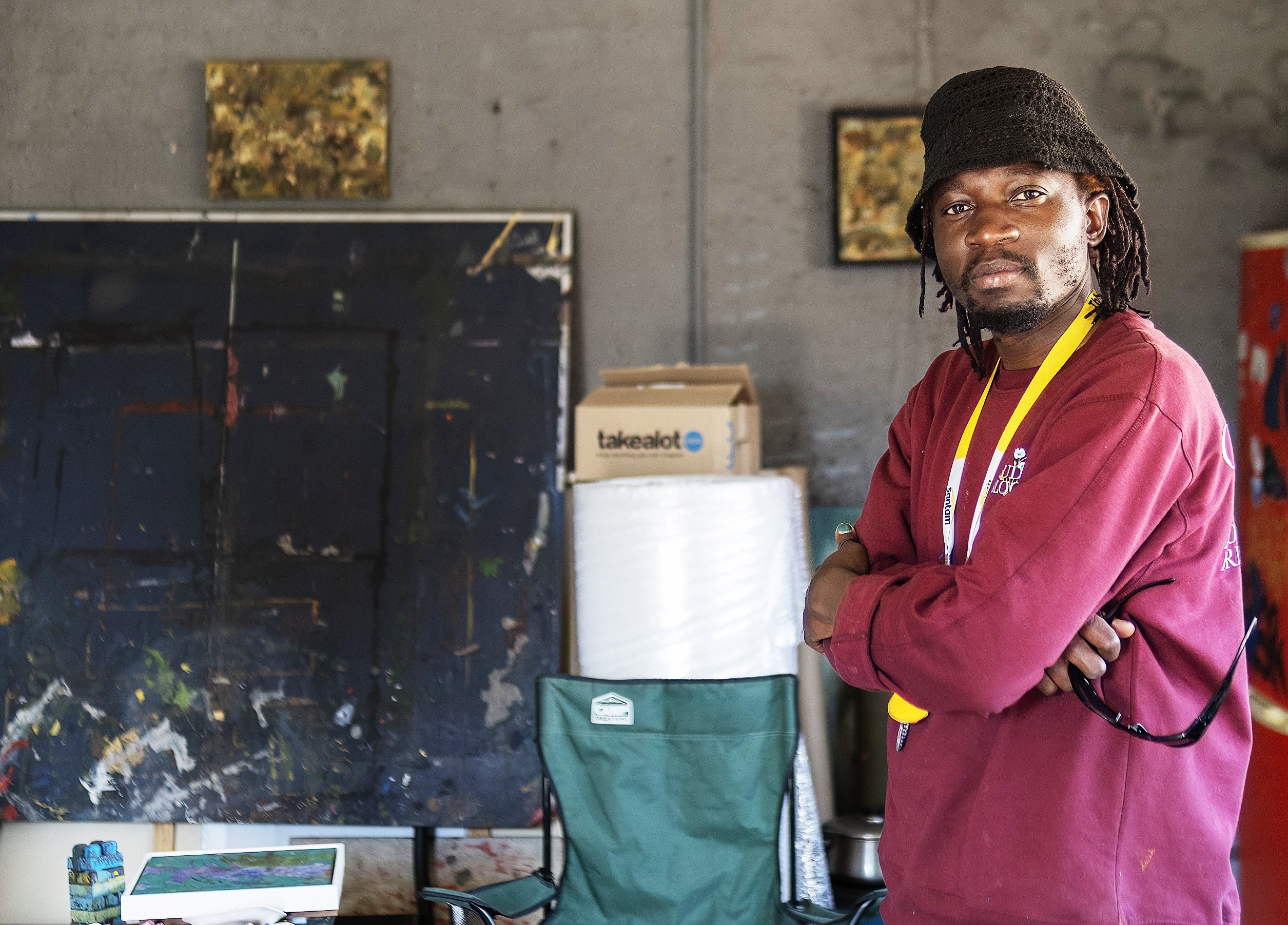
In Johannesburg, Contra.Joburg’s Different Is Good festival confronts the rising xenophobia in South Africa. The city feels unusually close, with artists and foreigners gathering, but questions of trust remain. Bekezela Nkomo Mabena, an 11-year-old boy who crossed the Limpopo from Zimbabwe with his brother, now reflects on his identity and belonging.
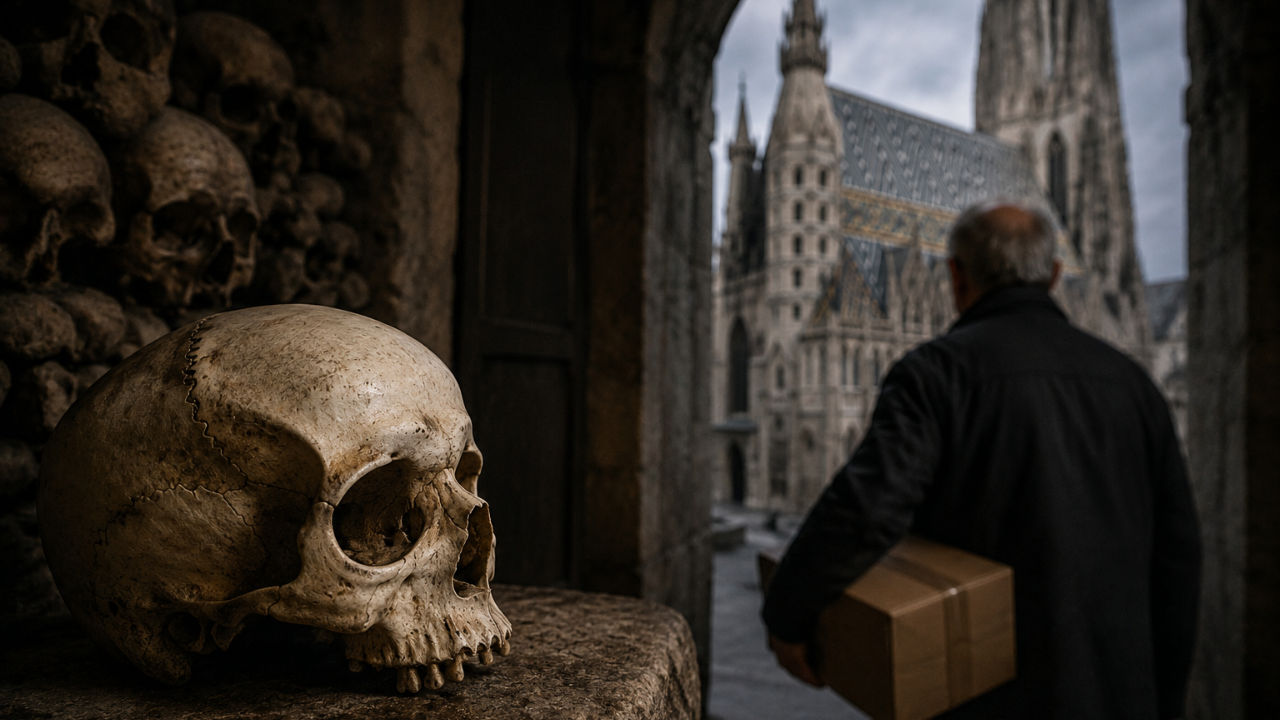
He crossed the river at night, a baptism of sorts, and years later, Bulgarian artist Daria Tchapanova crosses the Limpopo in the air, without needing a visa. Daria’s arrival in South Africa is met with immediate potential, while Bekezela must prove his worth and safety.
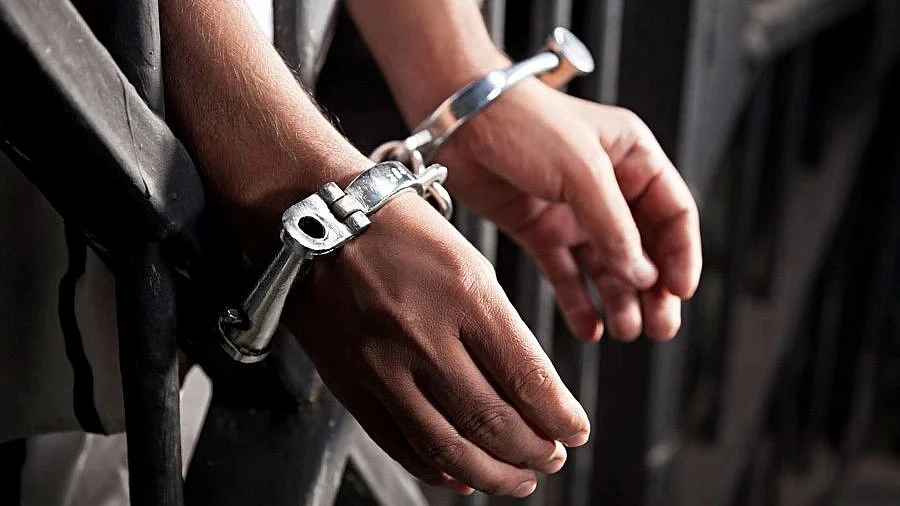
Bekezela’s mother provided him with illegal South African documents, granting him a South African identity during his childhood but dividing his life. He returned to Zimbabwe to regularise his papers, but lost everything when he did so. Now, he sees the 30 June deadline as a turning point in understanding why he is here and where he is going.
Art can include everyone, Bekezela believes. Rooftop at August House becomes a space for connection, where people share a room despite uncertainty about their belonging. Bekezela’s process of washing and exposing his canvases mirrors the fluidity of identity in a country that pushes people apart, allowing light, weather and time to alter what he begins.
Written by urgent.news from Daily Maverick's reporting — not their text. Machine-written — may contain errors; check the original before relying on it.