Qatar expands its green spaces, creating more liveable, resilient cities
Qatar’s expanding network of parks, landscaped areas and tree-covered spaces is giving its urban landscape a greener character, while contributing to liveability, biodiversity and climate resilience.T...
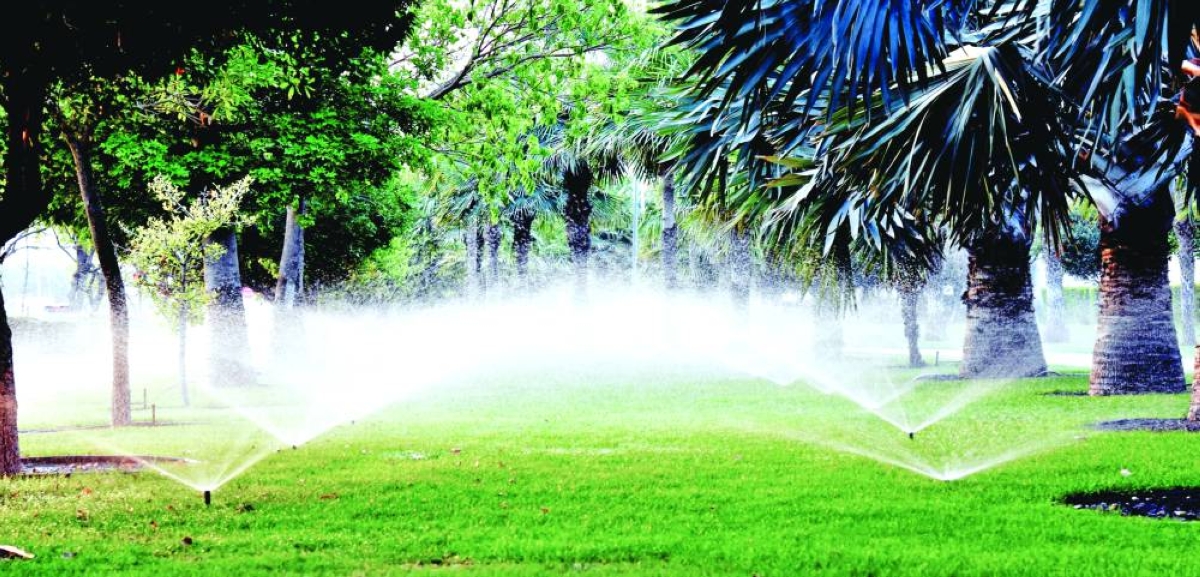
Qatar is expanding its network of parks and green spaces, contributing to a greener, more liveable and climate-resilient urban landscape. According to the Ministry of Municipality, the country's green areas reached 21.9 million square meters in 2025, with an average of 6.8 square meters of green space per person. These developments are part of Qatar's ongoing environmental sustainability efforts, which include public parks, afforestation, and landscaping initiatives.
The National Planning Council maintains a dataset on cultivated green areas, re-cultivated land, trees, shrubs, date palms, roadside vegetation, and median strips, allowing for tracking the development of green infrastructure across the country's municipalities. Qatar's Nationally Determined Contribution 3.0, submitted under the Paris Agreement, records a 13.2 sq km increase in green spaces between 2015 and 2023, partly attributed to the One Million Trees initiative.
The 2025 Voluntary National Review submitted to the United Nations highlighted that 159 parks were established by 2024, with almost 3 million square meters of developed green space. Additionally, the Ten Million Trees Initiative, launched in 2022, has planted 320,000 tree seedlings. Qatar has set a goal to protect 30% of its land and marine areas by 2030, with 27% of the country already designated as nature reserves.
The expansion of greenery is particularly significant in Qatar due to extreme heat and arid conditions, which can make walking and outdoor recreation challenging, especially in areas with little shade. Vegetation can provide shade, regulate local temperatures, and make public spaces more comfortable for residents. Studies have shown that green areas in Doha and Al Daayen have lower mean land-surface temperatures than built-up and desert areas, underscoring the importance of urban planning measures to address rising heat.
Research also indicates that the quality and structure of greenery can significantly influence its cooling performance. Taller trees and higher tree-cover ratios are associated with stronger cooling effects, while greater grass cover and uneven distribution of green space weaken the cooling response. For Qatar, the effectiveness of greenery is not solely about adding more vegetation, as the patterns and fragmentation of green areas play a crucial role in creating continuous urban habitats and supporting local biodiversity.
Written by urgent.news from Gulf Times's reporting — not their text. Machine-written — may contain errors; check the original before relying on it.