Philippine peso hits record low on energy, inflow worries; won extends gains
BENGALURU: The Philippine peso fell to a record low on Friday, extending a selloff driven by weak inflows and worries over elevated energy costs, while the South Korean won stayed near a one-year high after the central bank struck a hawkish tone and lifted its growth forecast.
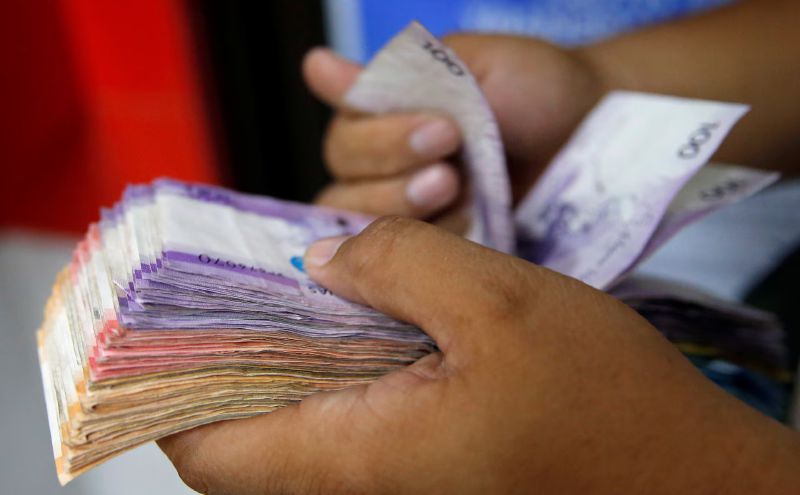
The Philippine peso experienced a record low on Friday, extending its decline due to weak inflows and concerns over high energy costs, while the South Korean won hovered near a one-year high following a hawkish stance from the central bank and an upward revision of its growth forecast. The peso plummeted nearly 0.6% to an all-time low of 62.216 per dollar and was set for a third consecutive weekly loss, highlighting its vulnerability to energy prices in Asia, primarily due to the country's reliance on oil imports.
Oil prices retreated on Friday, after initially climbing more than 2% overnight following reports that US President Donald Trump had no intention of reverting to the terms of a memorandum of understanding with Iran in June. Following a 25 basis points interest rate hike on Thursday to counter inflationary pressures, the Philippine central bank expressed concerns about potential risks, including a strong El Niño, which could disrupt domestic and imported rice supplies.
Global warnings have been issued about the economic repercussions of El Niño, with weak monsoons in India threatening crop yields, and the climate phenomenon raising fears of reduced rainfall affecting the Panama Canal, a crucial global trade route. Analysts from Citi anticipate a negative outlook for the Philippine peso, given the significant external pressures it faces, including a widening current-account deficit driven by escalating energy prices and a weaker services balance in the most recent quarter.
The import bill is likely to remain elevated due to future government infrastructure spending. In East Asia, currencies performed better as optimism surrounding AI fueled by Nvidia's results. The South Korean won traded near 1,375.55 per dollar, marking its highest point in nearly a year, after the Bank of Korea raised its benchmark rate by a quarter percentage point on Thursday and upgraded its growth forecast for the year.
The won has outperformed other currencies in Asia this year, up 4.5% as robust exports have bolstered South Korea's economic growth and shielded the currency from pressure experienced by other oil-sensitive currencies. Meanwhile, the Thai baht continued its fifth consecutive decline. The Bank of Thailand held its key rate steady as expected on Wednesday, while warning that growth remains sluggish and uneven.
Taiwan's dollar strengthened for a third consecutive session, bringing its year-to-date losses down to 0.5%. The Jackson Hole Symposium is drawing attention, with Federal Reserve Chair Kevin Warsh set to address the audience later in the day. Three Fed officials have already expressed concerns about stubborn inflation, but the new central bank chief has been reluctant to provide forward guidance on interest rate adjustments.
The US dollar index, which gauges the currency against six major peers, remained unchanged at 99.172 in early Asian trade. Regional stock markets were mixed, with South Korea's KOSPI falling 1% after a three-day winning streak, while Taiwan shares rose 1.1%.
Written by urgent.news from New Straits Times's reporting — not their text. Machine-written — may contain errors; check the original before relying on it.