Pedro Sánchez afronta su peor mes de toda la legislatura
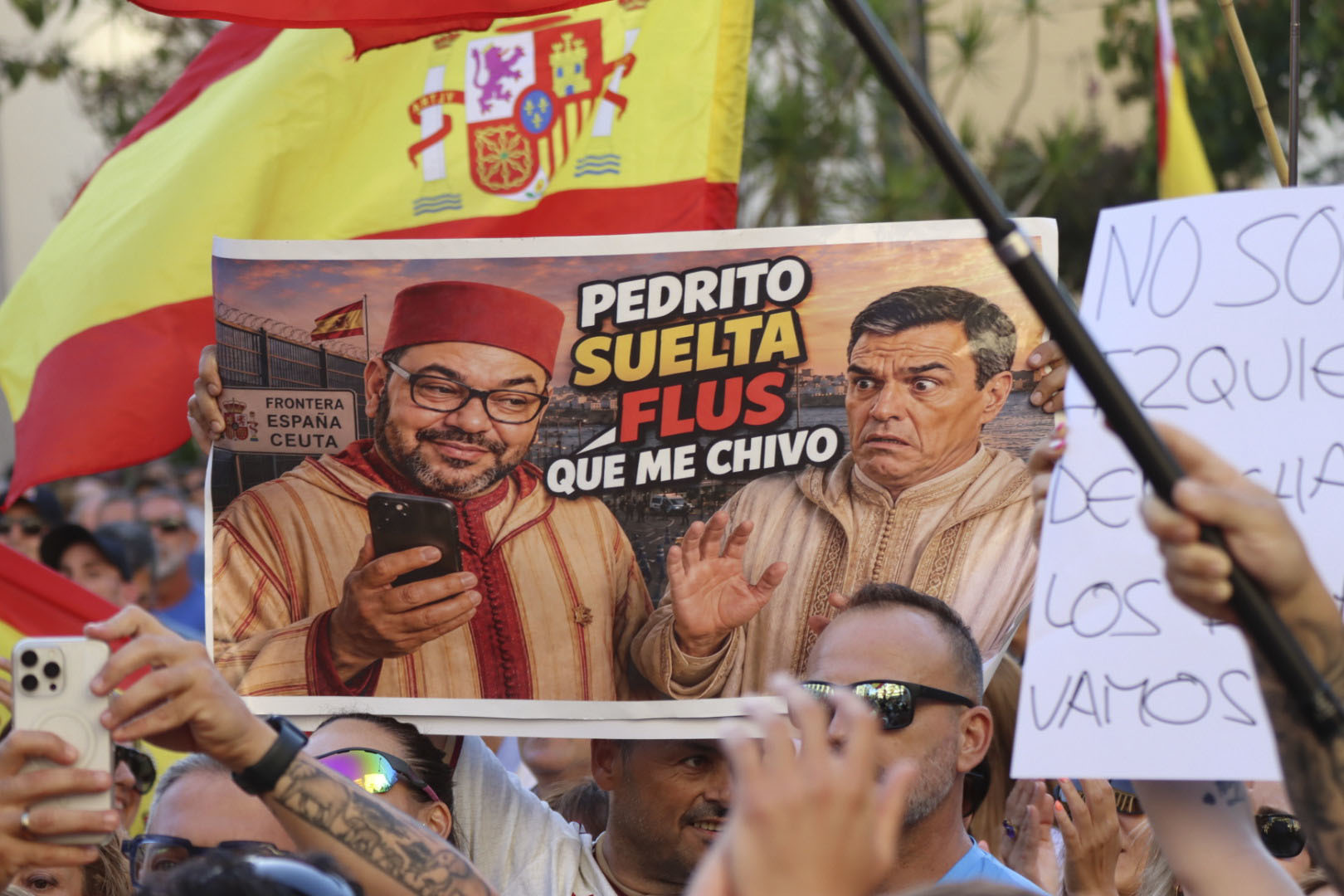
El jueves tendrá que someterse al escrutinio del Congreso de los Diputados, más de un mes después de la invasión masiva en Ceuta. Y luego vendrán los procedimientos judiciales en curso y su imposibilidad de sacar adelante el proyecto de Ley de Presupuestos Generales del Estado y la reforma de la financiación autonómica. Leer
Pedro Sánchez, the Spanish Prime Minister, faces his worst month of his tenure this September. He must appear before the Congress of Deputies for the first time in over a month, following the massive invasion in Ceuta. Additionally, he must navigate through ongoing judicial proceedings and an inability to push through the General State Budgets project and the reform of autonomous financing. Sánchez has already missed his last vacation in the Mareta Palace in Lanzarote, indicating the urgency of his situation.
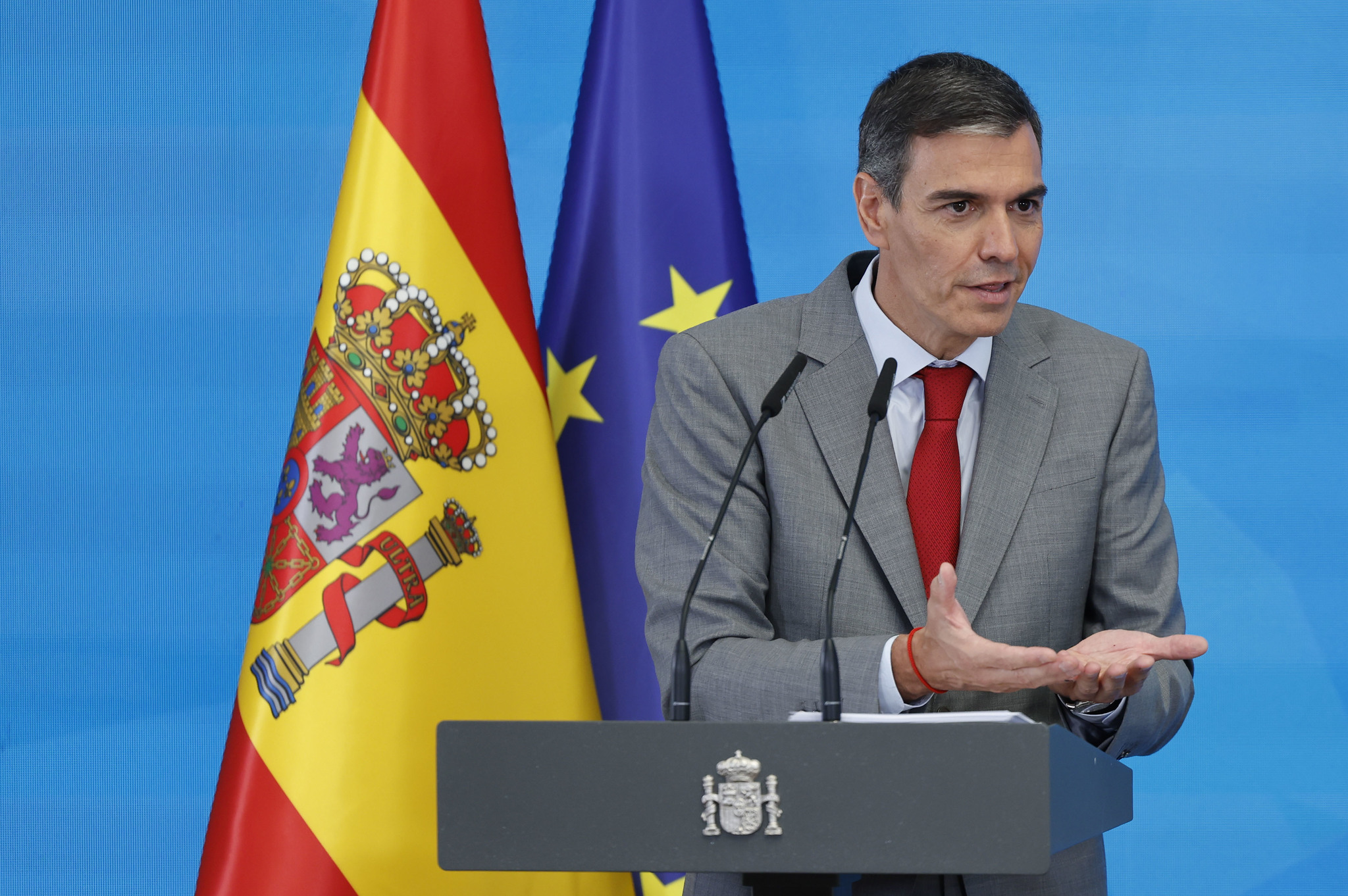
Sánchez must also be aware that this September will be his worst month since taking office. The upcoming Thursday will see him under scrutiny by the Congress of Deputies, just a month after the Ceuta invasion, which highlighted the ineffectiveness of his executive in addressing a severe crisis. Moreover, he will face numerous judicial proceedings and his inability to advance the General State Budgets project and the reform of autonomous financing.
Everything points to a dismal outcome, with no more tricks left up his sleeve. It is incomprehensible that Sánchez vanished for three long weeks in August, following the invasion of over 80,000 illegal immigrants into Ceuta and with thousands still camping out there. Despite his Presidency Minister, Felix Bolaños, claiming he has been on the phone daily, a chief of government cannot be absent from his official desk during such a crisis.
There is no excuse for the three-week delay in convening the National Security Council and appointing a single command to manage the situation. The speed with which Sánchez has acted has been far too slow, as stated by Angel Victor Torres, the newly appointed Minister of Territorial Policy.
Furthermore, Sánchez's absence from his duties has been accompanied by a new rift within his Council of Ministers. This is no longer merely a difference between his coalition partners or allies, but among the socialist ministers themselves, who have publicly declared war on each other's intelligence services' reports on the Ceuta situation.
Margarita Robles claims they were informed, while Fernando Grande-Marlaska denies it, supported by his executive colleagues. In a serious country, someone should have resigned over this, but it is not only the Ceuta crisis threatening Sánchez this September. His re-opening of the parliamentary session will also bring him the harsh reality of not having a sufficient majority to legislate and govern.
Next, he must present the budgets for the coming year, following three years of budgetary paralysis. He also must negotiate the new model of autonomous financing imposed by Catalan separatists and other social measures to recover his political agenda. However, each proposal presented to the Carrera de San Jeronimo is doomed to fail.
Moreover, September is the month of Catalonia's Diada, and it is expected that the separatists will try to escalate the pressure to bring back former President Carles Puigdemont, who has been hiding in Belgium for years. This will result in new clashes with Sánchez and negative votes in the Congress of Deputies.
September will also be an especially active month in the courts. Begona Gomez will likely face a procedural arrest warrant to be judged by a popular jury, while former President Jos� Luis Rodr�guez Zapatero will have to return to declare in the Plus Ultra case and explain the 1.3 million euro valuation, for which he is accused of fiscal fraud and smuggling.
The National Court will also resume proceedings over the Leire case and possible irregular financing in the PSOE. In addition, the hydrocarbons case and corruption scandals affecting prominent socialist leaders will continue to unfold.
The bad news will continue to come, day after day, week after week, until the end of the year. The big question remains: what will Pedro Sánchez do to navigate through all these challenges threatening his presidency? He has had enough time to reflect and his hundreds of advisors have probably prepared scenarios and possible moves for the future.
However, the room for maneuver is diminishing rapidly. The decision of when to call the general elections is now on the table. Even his most ardent supporters among the socialists admit privately that the situation is intolerable and that waiting until July 2027, the deadline of the current legislative term, would be a poor decision.
Written by urgent.news from Expansion ES's reporting — not their text. Machine-written — may contain errors; check the original before relying on it.