Nonfarm Payrolls face a reality check with key benchmark revision
US investors will watch on Friday a labor market report that is far less familiar than the monthly jobs release but has gained considerable importance following the spectacular revisions of recent years.
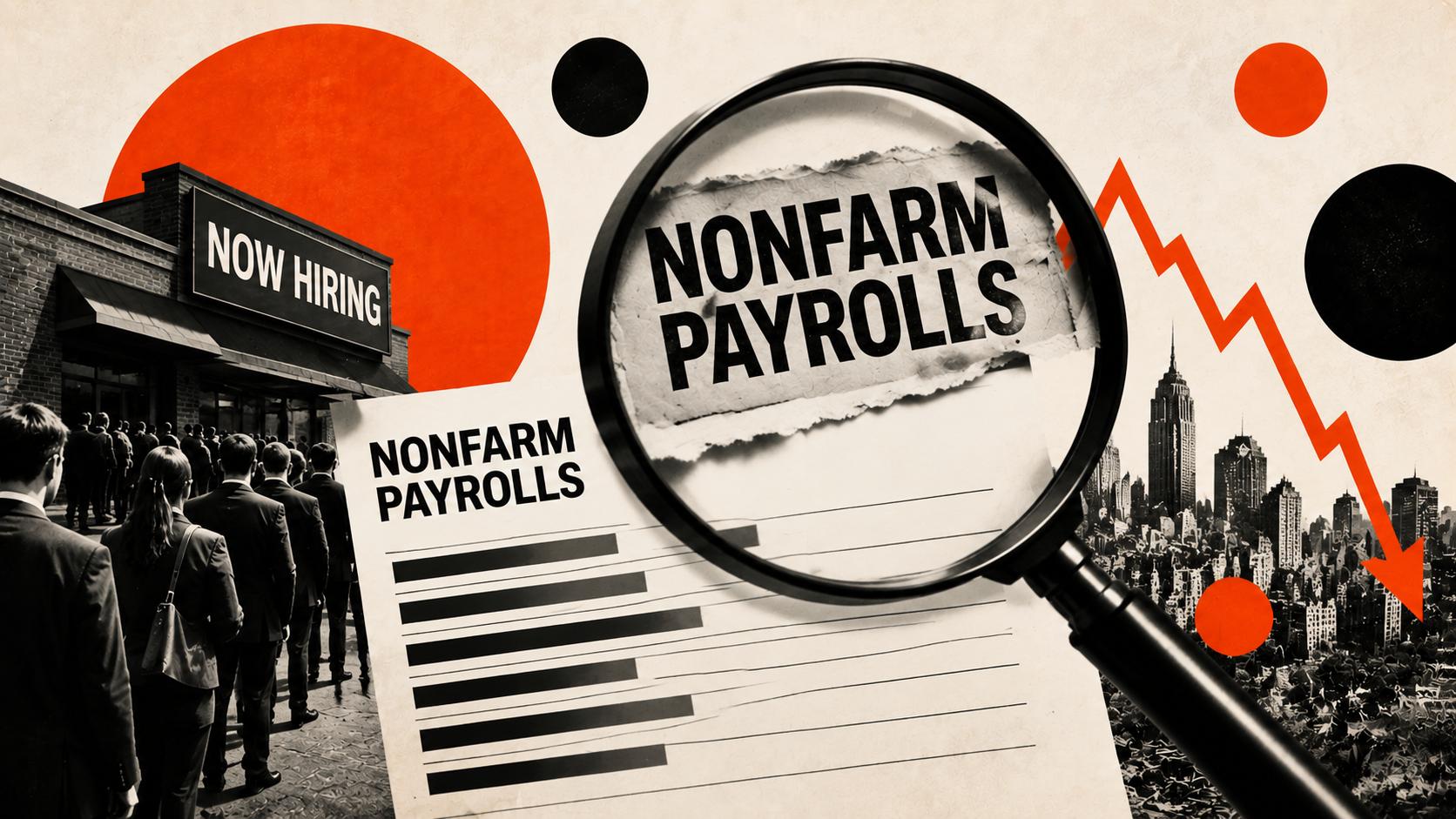
On Friday, US investors will focus on a labor market report that holds greater significance compared to the monthly jobs release due to recent substantial revisions. The Bureau of Labor Statistics (BLS) will release its preliminary estimate of the annual benchmark revision to the Nonfarm Payrolls (NFP) series for the twelve months ending March at 14:00 GMT.
This statistic aims to determine if the reported monthly payroll jobs have accurately represented the labor market over time. A significantly negative revision would imply a deeper labor market slowdown, while an upward revision could suggest inadequate job creation estimates.
The monthly report relies on the Current Employment Statistics (CES) survey, which collects data from businesses and government agencies to estimate payroll employees. However, it is subject to a margin of error. Once annually, the Bureau of Labor Statistics compares its estimates to a more comprehensive dataset, the Quarterly Census of Employment and Wages (QCEW), primarily based on unemployment insurance records.
The benchmark revision measures the difference between CES survey and QCEW data for March, indicating potential adjustments to the total payroll employment level for the twelve months through March.
The benchmark revision's average absolute preliminary change between 2016 and 2020 was 0.12%, but it surged to 0.34% between 2021 and 2025, with particularly notable adjustments in September 2025 and February 2026. These revisions have raised concerns about monthly surveys' accuracy in capturing a labor market influenced by the pandemic, business births and deaths, and declining survey response rates.
This year's release is expected to trigger stronger market reactions, as available data do not clearly indicate a significant overestimation of employment.
The final benchmark revision, due in February 2027, will be incorporated into the historical series with the Employment Situation report, but it will not immediately affect the official payroll data. The Unemployment Rate remains unaffected, as it is derived from a separate household survey. Market reactions will likely depend more on the revision's magnitude than its positive or negative direction.
Written by urgent.news from FXStreet's reporting — not their text. Machine-written — may contain errors; check the original before relying on it.