No politician has the right to risk Israel’s national security - opinion
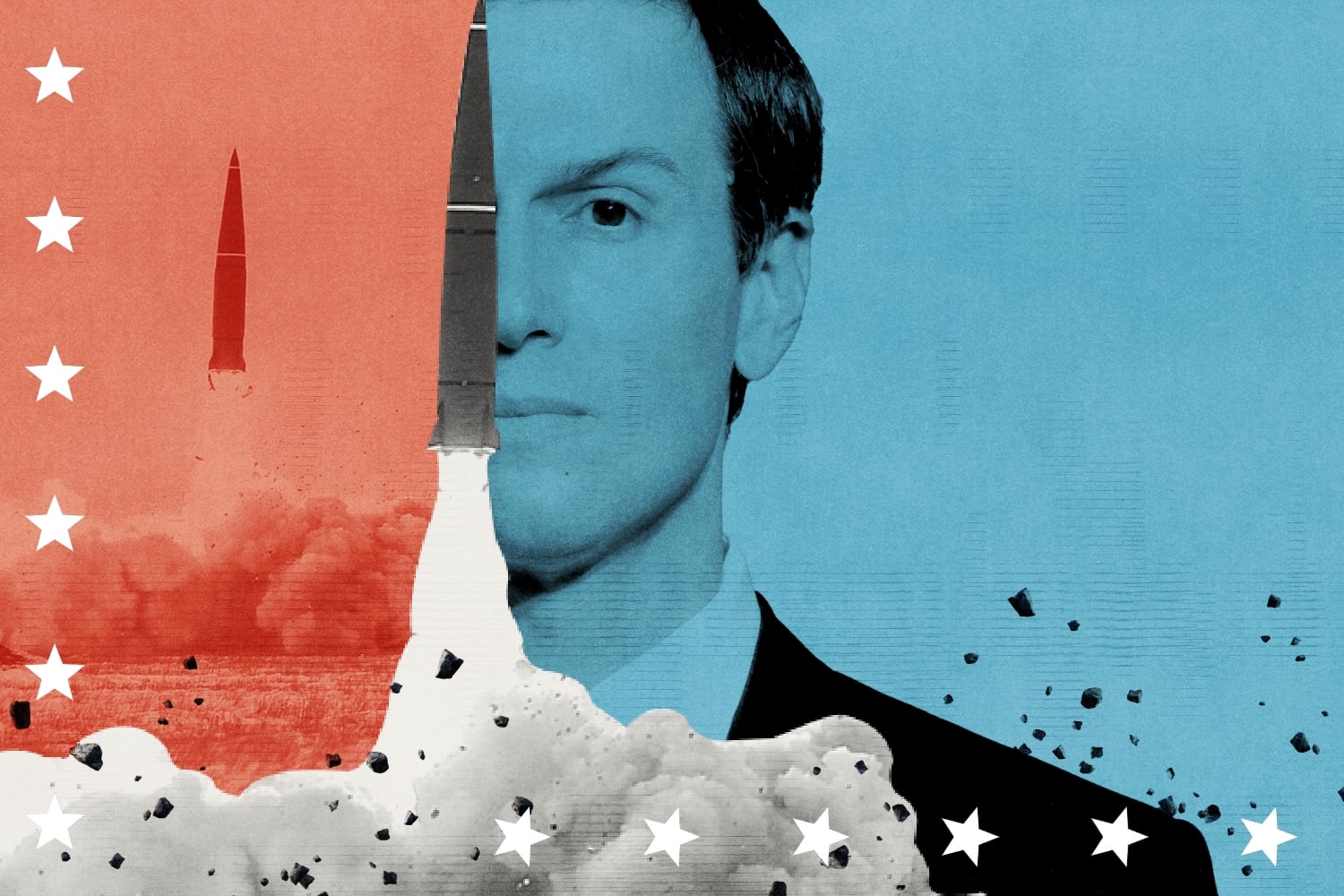
The next person who decides that personal conviction entitles him to risk Israel’s strategic interests may inflict damage that no amount of hasbara money can undo.
For some time, the writer has argued that the psychological war waged against Israel must be acknowledged as a national-security threat. This campaign includes activities like delegitimizing Israel, isolating it from allies, influencing American politics, radicalizing university campuses, and endangering Jews worldwide. The writer contends that cognitive warfare cannot be a secondary priority if it constitutes a national security issue.
The writer emphasizes that actions capable of significantly damaging Israel on the cognitive battlefield should be considered national-security events, even when the individuals involved believe they are defending Israel. The recent example of MK Zvi Sukkot demolishing a Palestinian monument near Nablus is used to illustrate the Israeli government's failure to take cognitive warfare seriously.
Sukkot entered Kafr Madama under IDF protection and participated in the destruction of a monument that seemed to honor terrorists, acting outside the approved framework and without authority. While Prime Minister Benjamin Netanyahu condemned the incident, Finance Minister Bezalel Smotrich reportedly reprimanded Sukkot and warned him not to repeat the action.
The writer questions whether this response is sufficient when dealing with cognitive warfare. He uses the case of Mordechai Vanunu, who was convicted for revealing sensitive information about Israel's nuclear program, to argue that individuals should not be granted the authority to decide how resources entrusted to Israel's national-security establishment will be used. The writer draws a parallel between Sukkot's actions and Vanunu's, suggesting that the underlying violation belongs to the same family of offenses.
The writer further argues that any Israeli citizen, particularly an elected official, should not believe they have the authority to select targets on the cognitive battlefield, as this decision belongs to the State of Israel. He points out that senior politicians creating unnecessary friction with Israel's most important ally, the United States, undermines strategic relationships and national security.
The writer highlights that US Vice President JD Vance publicly rebuked Israeli ministers after they clashed over American diplomatic policy, questioning their proposal for addressing national security problems. This, according to the writer, demonstrates that the management of relationships with strategic partners is a national-security issue.
In conclusion, the writer poses a simple question: Who has the right to jeopardize a strategic relationship, especially during strategically sensitive moments, in pursuit of their own political objectives? This question is particularly urgent as Israel approaches elections, America approaches midterm elections, Iran remains a critical strategic challenge, and Turkey is fast approaching as a new serious challenge.
Global antisemitism has also increased dramatically, while Israel is investing unprecedented resources in public diplomacy and communications.
Written by urgent.news from Jerusalem Post's reporting — not their text. Machine-written — may contain errors; check the original before relying on it.
This story
This is one outlet's version. Read the fullest account.