Nicola Coughlan, Matt Lucas, Hugh Bonneville and More Back Campaign Against AI Voice Cloning: ‘An Existential Threat to Our Entire Industry’
Nicola Coughlan, Matt Lucas and Hugh Bonneville are among the high-profile names backing a new campaign against AI voice cloning. Titled “Save Our Voices Now,” the initiative calls for greater protections against AI technology being used to replicate a person’s voice, according to The Guardian. The group of over 80 industry names — which also […]
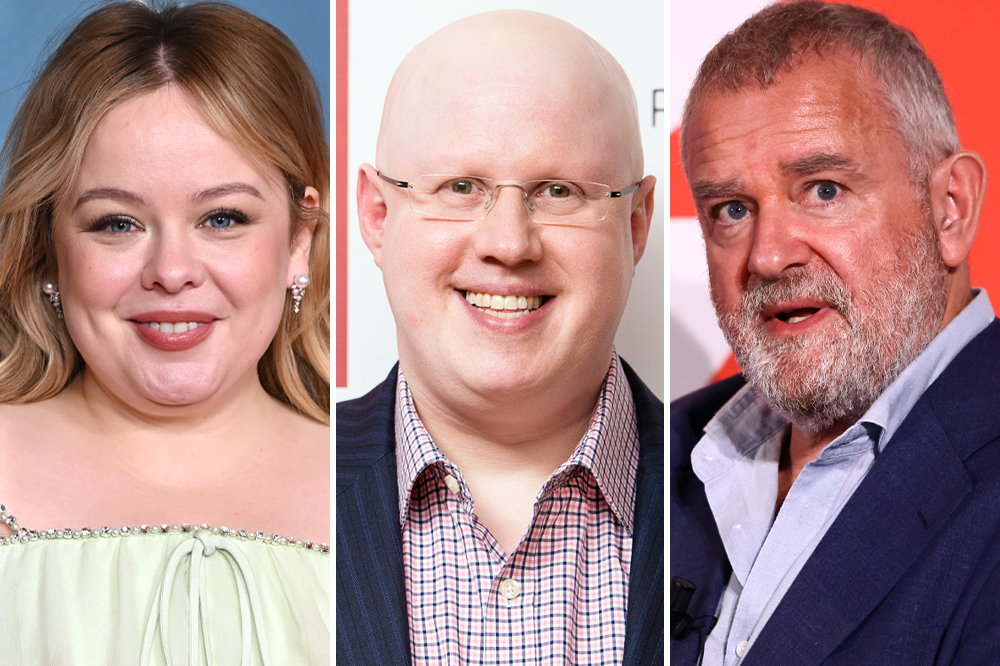
Several notable actors, including Matt Lucas, Hugh Bonneville, and Nicola Coughlan, have penned a letter to the UK government urging the introduction of legislation to safeguard individuals' voices from being cloned by artificial intelligence. These performers argue for the creation of a legal entitlement for every individual in the UK to assume ownership of their voice.
Voice cloning technology employs AI algorithms to generate replicas using recordings of genuine people's voices—quick clones can be produced in mere minutes from brief audio snippets, while sophisticated imitations typically necessitate longer processing times.
Nicola Coughlan, co-founder of the campaign, emphasized the potential existential threat this technology poses to the creative industry. She lamented, "My voice is out there in the public domain but completely unprotected." According to a government spokesperson, while AI-generated digital replicas can prove beneficial, particularly within the creative sector, there also exists a risk of harm.
The spokesperson reiterated the government's commitment to launching a consultation on addressing these concerns while preserving legitimate innovation.
The letter, signed by over 80 performers, garnered responses from various industry professionals, such as Scottish singer Sandi Thom, who stressed the uniqueness of her voice, which she attributes to her birth. Thom expressed her desire to collaborate with AI to enhance human connections rather than rendering them obsolete. Additionally, some individuals have utilized AI to replicate their own voices, as seen in the case of Yvonne Johnson, a motor neurone disease patient, who found comfort in her voice being cloned by AI, reuniting her with family members who had forgotten her vocal patterns.
Despite these mixed reactions, the UK government has acknowledged the need to enhance its legislation to keep pace with advancements in AI technology. Dr. Mathilde Pavis warned in June that existing legal frameworks, while somewhat protective, fall short of fully safeguarding voices, faces, and identities. Notably, this issue arose a few months after legal experts cautioned that UK legislation was insufficient to address the rapid developments in AI capabilities.
Written by urgent.news from BBC Technology's reporting — not their text. Machine-written — may contain errors; check the original before relying on it.
This story
This is one outlet's version. Read the fullest account.