New foam made from discarded wood can decompose in soil within months
Canada is piloting a new process to convert wood waste into biodegradable foam. This innovative material is designed to replace plastic foam packaging and construction insulation. The pilot plant in Vancouver currently produces a limited amount of this eco-friendly wood foam. Future plans include expanding production significantly within Indigenous territories and on Vancouver Island. This…
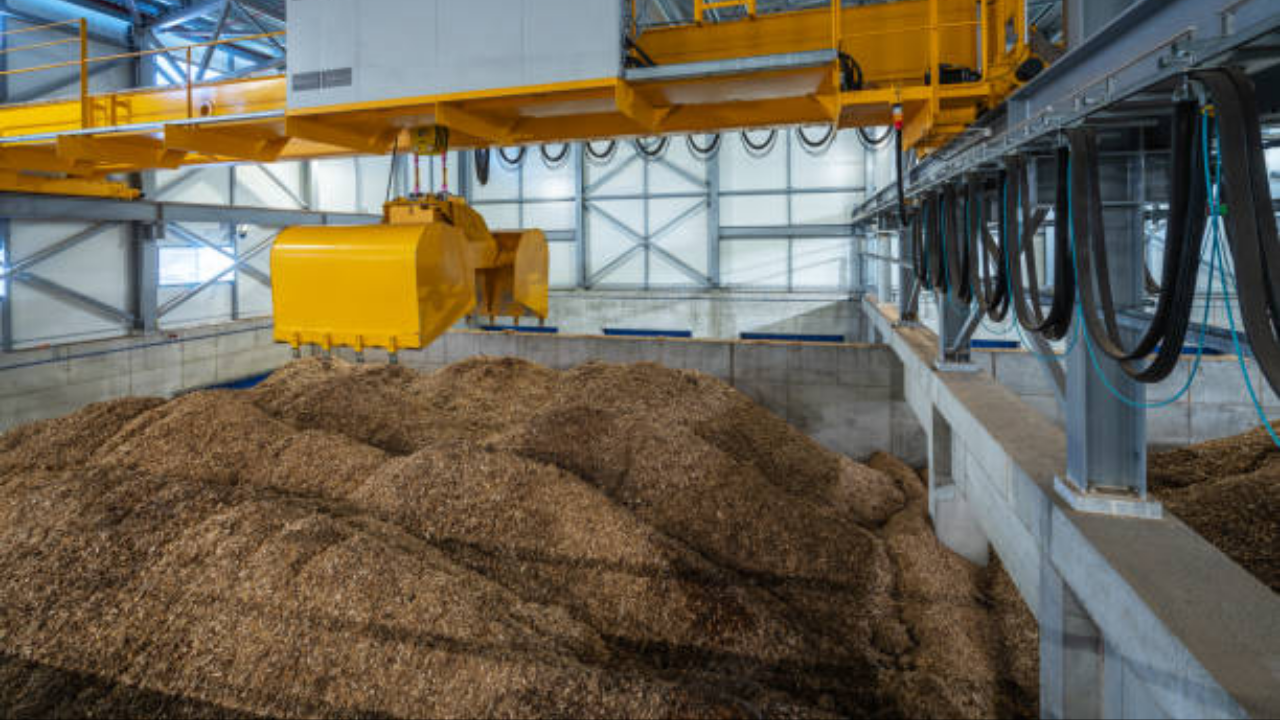
In Canada, discarded wood from logging and wildfire-prone areas is being repurposed into a biodegradable foam material, according to a pilot project by the University of British Columbia (UBC). Unlike conventional plastic foams that can persist in landfills for centuries, this new foam decomposes within months when introduced into soil.
The innovative process begins with softwoods like spruce, pine, and fir, which are subjected to heat, mechanical processing, and minimal chemical additives to convert the fibers into lightweight foam—similar to the type used in packaging.
The primary advantage of this foam lies in its ability to return to nature quickly, a feature particularly beneficial for the packaging sector and construction insulation. Developed at UBC's Faculty of Forestry and Environmental Management by Professor Feng Jiang, the technology can also utilize residues from forestry activities and wildfires. Currently, the process is being tested at a pilot facility in Vancouver, capable of producing between 150 and 200 kilograms of foam daily.
Operated by DicinFoam, a subsidiary mostly controlled by Yinka Dene Economic Development Limited Partnership—the business arm of the Wet’suwet'en First Nation—the project seeks to transform wood waste into sustainable materials. The intellectual property of this technology is jointly owned by UBC and the Indigenous organization. With the pilot phase successful, plans are underway to expand the production capacity significantly.
Future plans include a larger facility in Burns Lake, aiming to produce up to 1,000 tons of biodegradable foam annually, creating up to 15 local jobs. Subsequent to Burns Lake, a factory on Vancouver Island is envisioned with a capacity of 15,000 tons per year, generating between 35 and 60 additional jobs. This expansion aligns with UBC's goal of fostering an economic chain where Indigenous communities are integral to the innovation's commercialization and growth.
Additionally, Indigenous students will receive training in sustainable material development and business, facilitating future operations in their communities.
This initiative addresses Canada's reliance on imported wood-based materials by establishing a domestic production base for sustainable, biodegradable alternatives.
Written by urgent.news from Times of India's reporting — not their text. Machine-written — may contain errors; check the original before relying on it.