Nevada preached peace on the Colorado River. Now it’s suing to protect its water.
The state’s lawsuit claims the federal government’s plan for the river could strip Las Vegas of two-thirds of its water supply.
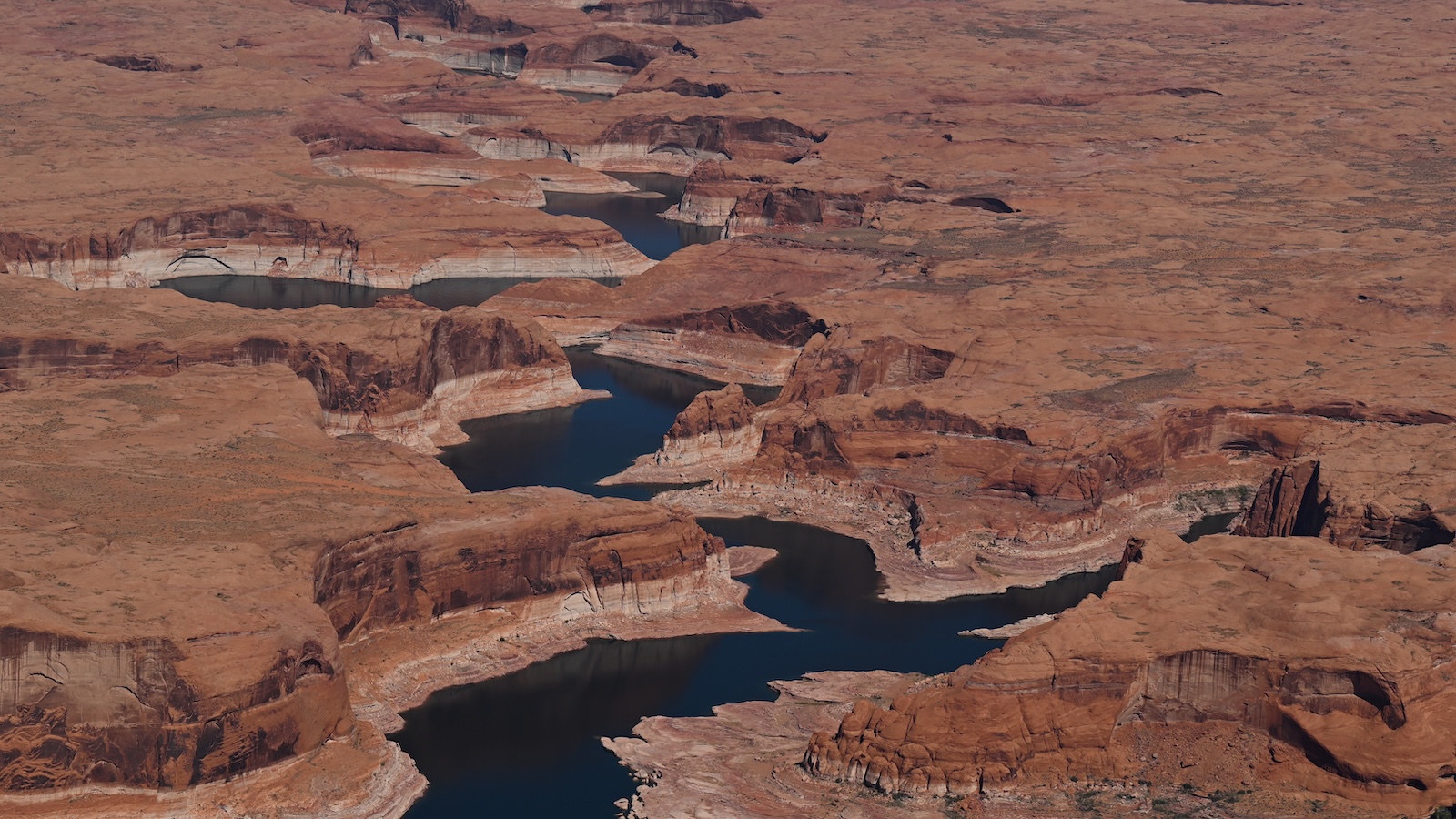
For years, Nevada officials have positioned themselves as champions of compromise and environmental stewardship in discussions surrounding the Colorado River. The Las Vegas region, which harbors more than two-thirds of the state’s population and economic activity, has become a pioneer in urban water conservation. As the river dwindled due to overuse and a prolonged drought fueled by climate change, Nevada took significant steps to reduce water consumption, cutting its per capita usage by 58 percent over a span of two decades through extensive water recycling initiatives and stringent regulations on new landscaping and fountains.
Amidst interstate negotiations aimed at managing the shared Colorado River resources, Nevada officials strived to play the role of mediators, often referring to themselves as the "middle basin" between the competing interests of the river’s upper and lower states. When the federal government unveiled a new management strategy for the river, most observers anticipated that Arizona — the state set to experience the most immediate water reductions — would lead the charge in legal challenges against the plan.
However, Nevada emerged as the first state to file a lawsuit against the federal government over the new management plan this week.
The lawsuit marks a shift from Nevada’s usual diplomatic approach to the Colorado River issue. Anne Castle, a former chair of the Upper Colorado River Commission, noted that while litigation was expected, it was surprising to see Nevada initiate it first. The dispute arises after more than two years of negotiations among the seven states that share the Colorado River and the federal government to devise a long-term reduction strategy.
Failing to reach a binding agreement before the existing management procedures lapse in October, the U.S. Interior Department is set to enforce its own plan, which primarily focuses on water cuts from the lower basin states — Arizona, Nevada, and California — to stabilize the river’s reservoir levels.
Nevada contends that the federal plan unfairly mandates excessive water reductions for the state, potentially causing a 71 percent cut to Las Vegas’ water supply, a scenario the state deems unacceptable and threatening to its largest population center and economic engine. Nevada argues that the plan violates existing laws and did not adequately explore alternative solutions, including adjustments to the operation of Glen Canyon Dam.
The state’s aggressive stance, however, contrasts with its usual advocacy for consensus-building, where compromise has traditionally been its preferred path. John Entsminger, Nevada’s negotiator on the river, had previously emphasized negotiation and cooperation as the state’s primary objectives.
Despite this legal move, Nevada’s case appears more justified given the stark water cuts anticipated under the federal plan. If reservoir levels continue to decline and Nevada cannot negotiate with Arizona and California to share more of the burden, the plan could force drastic reductions in water allocations. These cuts are primarily based on pre-existing water rights and historical agreements, disproportionately affecting Arizona and Nevada as other states can alleviate the impact by reallocating water from agricultural uses.
Nevada’s lawsuit may also be seen as an extension of its broader push for inclusive decision-making among the basin states and tribes, emphasizing the need for comprehensive solutions that consider economic ramifications and innovative alternatives.
Written by urgent.news from Grist's reporting — not their text. Machine-written — may contain errors; check the original before relying on it.