Nepal floods swept bodies 200km downstream, 3 found in UP
A significant collapse in the Himalayan region caused a seismic disturbance, leading to a violent flood surge that reached Rasuwagadhi at the Nepal-Tibet border within a mere seven minutes. Recovery efforts extended across multiple districts in both Nepal and India. Alarmingly, Nepal’s flood authorities were only informed after the surge had already impacted Bhote Koshi. In response, SMS warnings…
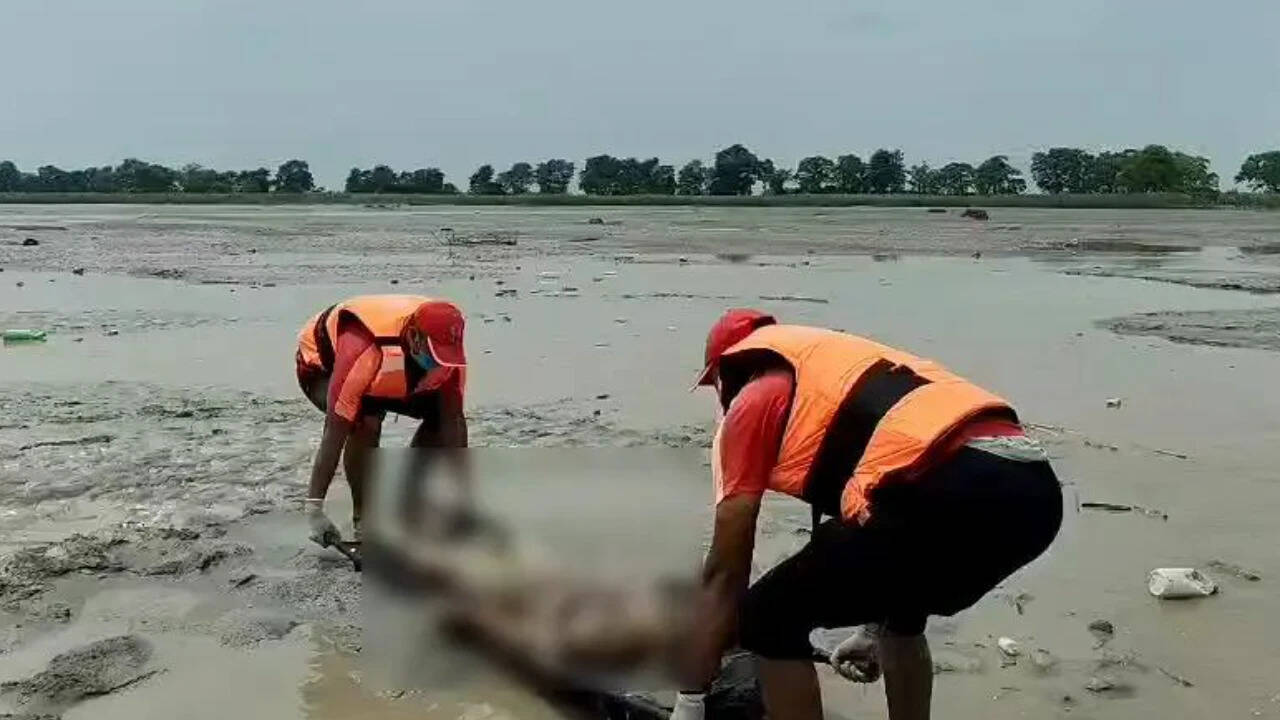
A powerful earthquake struck the Himalayan region on Wednesday, triggering a rapid surge of water that rushed toward Nepal border within just seven minutes. The devastating flood swept through multiple districts, including Rasuwagadhi at the Nepal-Tibet border, leaving behind a trail of destruction. Bodies were recovered from Nuwakot, Dhading, Chitwan, and Nawalparasi East. Tragically, three more individuals believed to have been swept out of Nepal were found in the Gandak river in Uttar Pradesh, India, on Thursday.
Chitwan, situated along Nepal's border with India, recorded the highest number of recoveries at 132. The initial seismic signal was recorded at 8:37 am, but the flood authorities in Nepal did not receive any information about the surge until it had already entered Bhote Koshi. Hydrologist Sauharda Joshi pointed out that if the authorities had been informed earlier, significant loss of lives could have been avoided.
The flood forecast division sent over 600,000 SMS warnings to people living along riverbanks in Rasuwa, Nuwakot, Dhading, and Chitwan within minutes after receiving the information. The flood subsequently moved through Trishuli into the Narayani river, carrying debris towards Nepal's southern plains. Eventually, the Narayani river merged with the Gandak river, continuing the flood trail into India.
In India, SSB teams recovered the bodies of two women and a man in Maharajganj. Inspector Arun Pandey confirmed that three bodies believed to have been swept into the Gandak from Nepal had been recovered in Indian territory.
Written by urgent.news from Times of India's reporting — not their text. Machine-written — may contain errors; check the original before relying on it.