Need spiritual guidance? Gurus join chatbot trend as people turn to AI for answers
When Kripa Vaidyanathan's 27-year-old niece perished in a car accident in Alaska, her family in Chennai, India, was utterly devastated. The family, deeply religious, questioned how such a tragedy could occur if they were so "immensely faithful in God." Vaidyanathan, a yoga instructor, sought help from a high-profile guru in hopes of providing solace to her grieving sister.
However, the guru told her that the death was a result of karma, and the family should use this opportunity to connect with their inner selves. Vaidyanathan, feeling this response was insensitive, turned to AI chatbots for guidance.
The grieving family found AI chatbots to be a more accessible and judgment-free source of answers. They appreciated the availability and compassion of AI, which was not limited by time or the physical presence of a guru. This newfound ease of access to spiritual guidance is drawing increasing numbers of people, especially in Hinduism, where gurus play a crucial role in attaining liberation from the cycle of birth, death, and reincarnation.
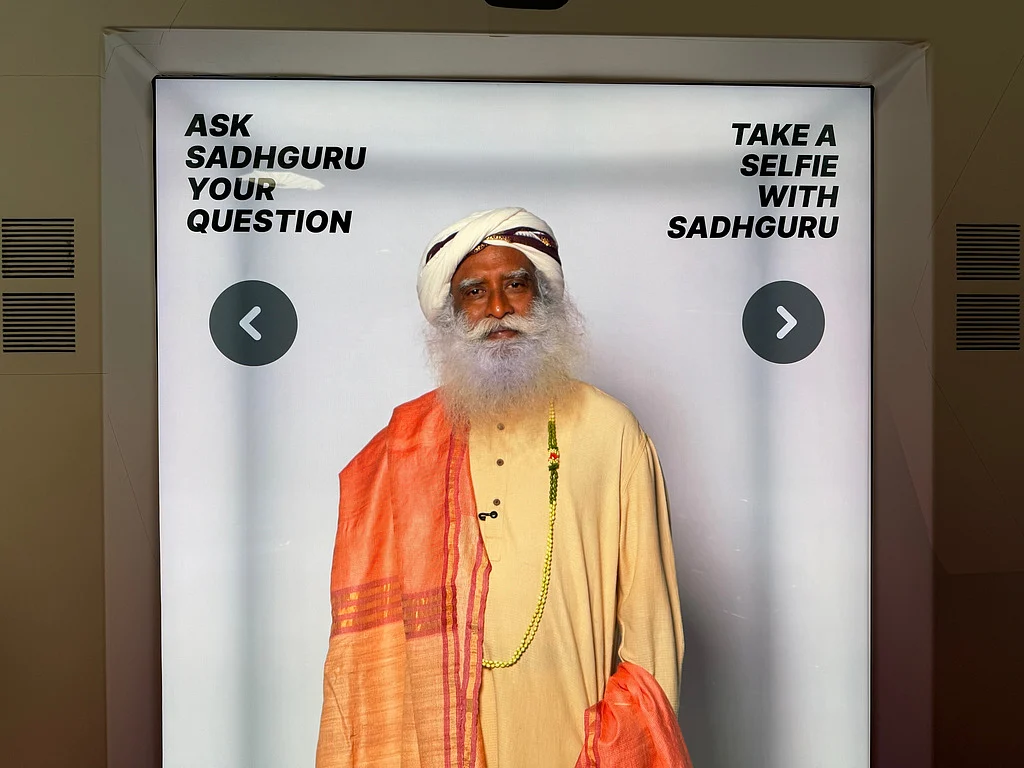
Chatbots, powered by large language models and vast troves of text, including sacred texts like the Bhagavad Gita, can provide spiritual answers to personal problems and existential questions at any time. This has led to some successful gurus launching their own chatbots. For instance, Jaggi Vasudev, also known as Sadhguru, has developed the Miracle of the Mind app featuring an AI feature that answers questions using his teachings.
Similarly, California-based self-help guru Deepak Chopra offers an AI platform where "Digital Deepak" responds to questions based on his extensive talks and writings.
However, the belief that AI cannot replace the lived experience, wisdom, and ethical accountability of a human guru remains strong. Critics argue that AI often validates and agrees with the user rather than posing challenging questions necessary for personal growth. In response, individuals like Vikas Sahu, founder of GitaGPT, argue that their AI platform provides the wisdom of the Bhagavad Gita to those who desperately need it. Sahu believes that AI can offer encouragement without demanding money or making one feel judged.
Experts are divided on the matter. Religion professor Liz Bucar from Northeastern University in Boston is skeptical of AI chatbots based on religious texts, stating that a sacred text requires a community and interpretation to derive meaning. However, she acknowledges that distrust in institutional expertise due to scandals may contribute to the growing trust in AI chatbots.
St. John's School of Theology and Seminary professor Noreen Herzfeld asserts that while AI can provide straightforward answers, it cannot replace the spiritual awakening that comes from physical presence. Vy Le, a mindfulness instructor, sees AI as a tool for introspection and channeling, but ultimately believes that the "era of gurus is over," as AI serves as an inner guide.
Written by urgent.news from Gulf News's reporting — not their text. Machine-written — may contain errors; check the original before relying on it.
This story
This is one outlet's version. Read the fullest account.
- Gurus are joining the chatbot trend as people turn to AI for spiritual guidance fastcompany.com
- Need spiritual guidance? Gurus join chatbot trend as people turn to AI for answers apnews.com
- Need spiritual guidance? Gurus join chatbot trend as people turn to AI for answers economictimes.indiatimes.com
- Need spiritual guidance? Gurus join chatbot trend as people turn to AI for answers winnipegfreepress.com