Monarch PMS expects gold to hit $4,700 an ounce by year end
The scenario assumes the Fed holds rates until September, energy prices stabilise, real yields plateau, and central banks buy around 250 tonnes quarterly
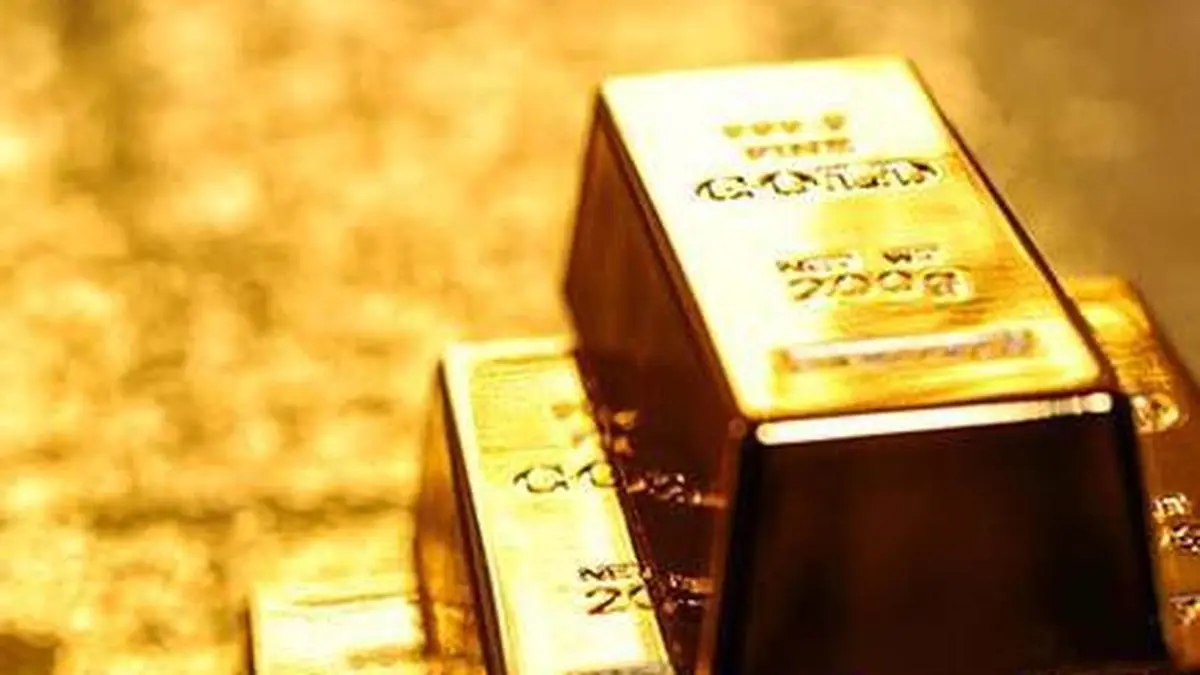
Monarch PMS anticipates gold prices will range between $4,300-$4,700 per ounce, and silver will sit at $70-$85 per ounce by year-end 2026 as their base case, with a 55% probability of this occurring. This projection hinges on the Federal Reserve maintaining interest rates through September, energy prices normalizing, real yields plateauing, and central banks sustaining annual purchases of approximately 250 tonnes of gold each quarter.
Conversely, a less optimistic bear case scenario, held at a 20% likelihood, predicts gold prices to dwindle between $3,400-$3,900 per ounce, and silver prices to dip to $45-$55 per ounce should the Fed raise rates in September, oil prices further decline, and disinflation morph into demand weakness. A more optimistic bull case, assigned a 25% probability, foresees gold prices soaring to $5,000-$5,600 per ounce, and silver prices reaching $95-$120 per ounce if labor market issues prompt the Fed to lower repo rates, real yields recede, institutional investments in precious metals rebound, and physical scarcity in silver resumes.
Despite silver's supply-demand dynamics remaining favorable, marked by a sixth successive annual deficit, 762 million ounces extracted from above-ground reserves since 2021, and mine supply staying flat for over a decade, with COMEX paper claims roughly five-and-a-half times the registered physical inventory, Monarch PMS believes physical scarcity could amplify gains if demand escalates.
Monarch PMS's valuation model anchors these scenarios, setting gold's projected worth at $3,248-$4,595, with a midpoint of $3,922, while silver's modelled range stretches from $54-$77, with a midpoint of $65. Comparing this to June's gold low of $3,985, which was nearly 2% near the model's midpoint, and silver's price at $61.7, which fell short of its midpoint, silver appears less expensive of the two under this framework.
Notably, the gold-silver ratio has stabilized, climbing from 46 times in January's peak to about 69 times presently, nearing its 21st-century average, with Monarch PMS using 60 times as its benchmark. This indicates silver has largely recouped its prior outperformance and now seems relatively cheaper than gold.
Written by urgent.news from Hindu BusinessLine's reporting — not their text. Machine-written — may contain errors; check the original before relying on it.