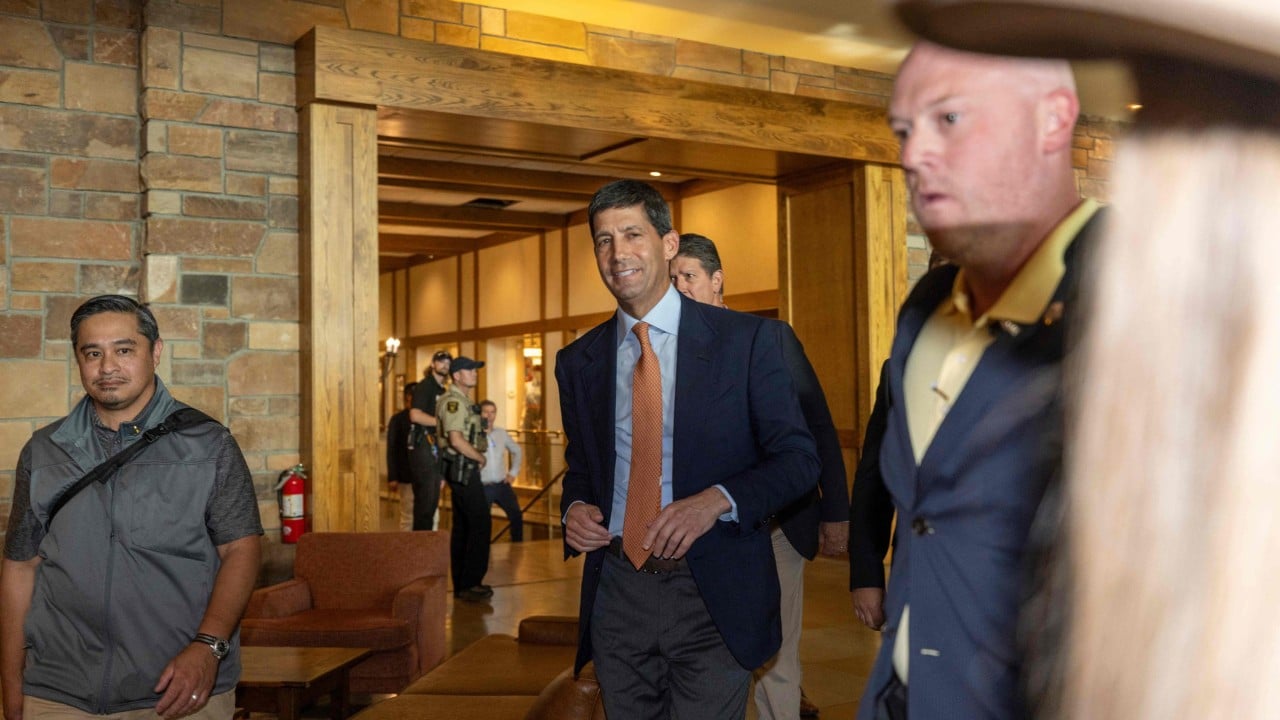
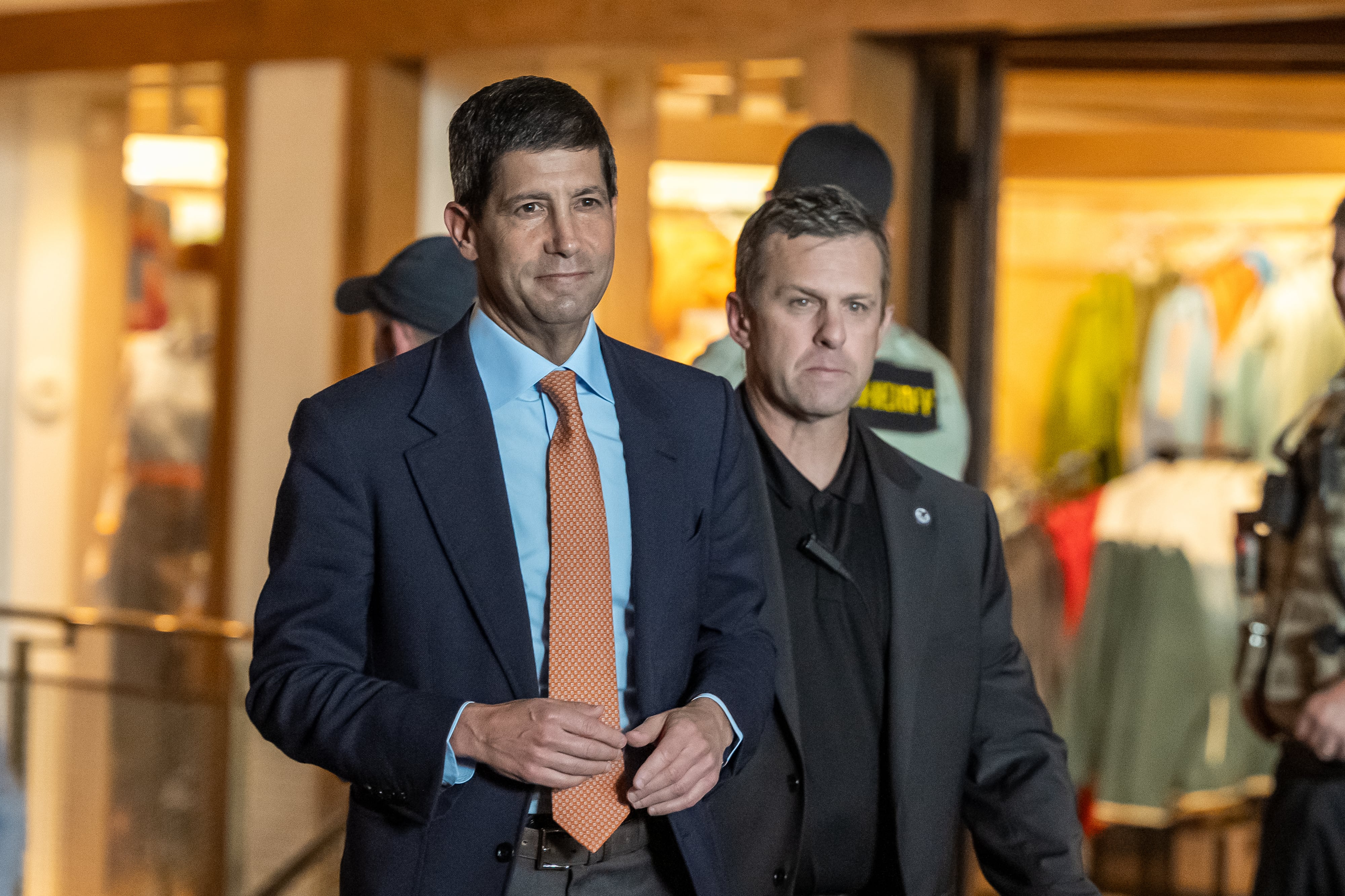
Kevin Warsh didn't bring up the $40 trillion national debt or historic deficits in his Jackson Hole speech
Federal Reserve Chairman Kevin Warsh did not discuss the staggering $40 trillion national debt or historic deficits in his inaugural speech at the Jackson Hole symposium, held days after the gross national debt surpassed the $40 trillion mark. The term "debt" was mentioned just once, at the start of Warsh's prepared remarks, where he acknowledged being "in debt" to the meeting's hosts.
However, Warsh did offer a hopeful perspective on how the US economy might manage deficits, suggesting that artificial intelligence could potentially drive "substantially higher growth." This reference to AI's growth potential mirrored remarks from Treasury Secretary Bessent and President Trump, who have both downplayed the debt issue by advocating for economic growth to alleviate the problem.
Warsh also emphasized that the Federal Reserve is closely monitoring technological advancements, but any findings from his recently announced AI task force would not influence current policy decisions. Despite the absence of debt-related discussions, investors have been preoccupied with debt and deficits, with soaring national debt causing jitters in sovereign bond markets and rising yields.
In his speech, Warsh called for clear market signals, particularly from Treasury Secretary Bessent, regarding the prices and trading volumes of Treasury securities, a request that appears to be a response to recent bond market volatility driven by the burgeoning national debt. The gross US national debt hit $40.047426 trillion on August 18, following the government's debt increase of $1 trillion within a few months.
The Congressional Budget Office also projected a $2.1 trillion deficit for the fiscal year ending on September 30. For years, the US has accumulated debt and deficit levels well above historical norms, even when adjusted for the size of the economy. Annual deficits have consistently exceeded 4% of the US economy's size since 2019, a threshold previously observed only during crises or deep recessions.
Written by urgent.news from Yahoo Finance's reporting — not their text. Machine-written — may contain errors; check the original before relying on it.
This story
This is one outlet's version. Read the fullest account.
- Canadian Dollar flatlines as traders await Jackson Hole Symposium fxstreet.com
- All eyes on Warsh as Fed chair opens Jackson Hole meeting; markets brace for limited guidance malaymail.com
- Gold treads water ahead of Fed Warsh's Jackson Hole speech businesstimes.com.sg
- Traders Expect to Be Frustrated by Warsh’s Jackson Hole Speech bloomberg.com
- Treasury yields tread water with all eyes on Kevin Warsh's Jackson Hole keynote speech cnbc.com
- Stock futures mixed as traders await Warsh's speech at Jackson Hole seekingalpha.com
- Fed Credibility Is On The Line In Warsh Jackson Hole Speech (Live Coverage) investors.com
- Rate-hike expectations rise on Warsh speech at Jackson Hole investing.com