Japan to double security aid to 12 Indo-Pacific nations
Japan plans to provide defence equipment and other supplies to the armed forces of at least 12 like-minded countries under its Official Security Assistance programme this financial year, up from eight countries the previous year, people familiar with the matter said on Thursday. The military of Kenya, which sits on the western Indian Ocean, is expected to be a first-time recipient under the…
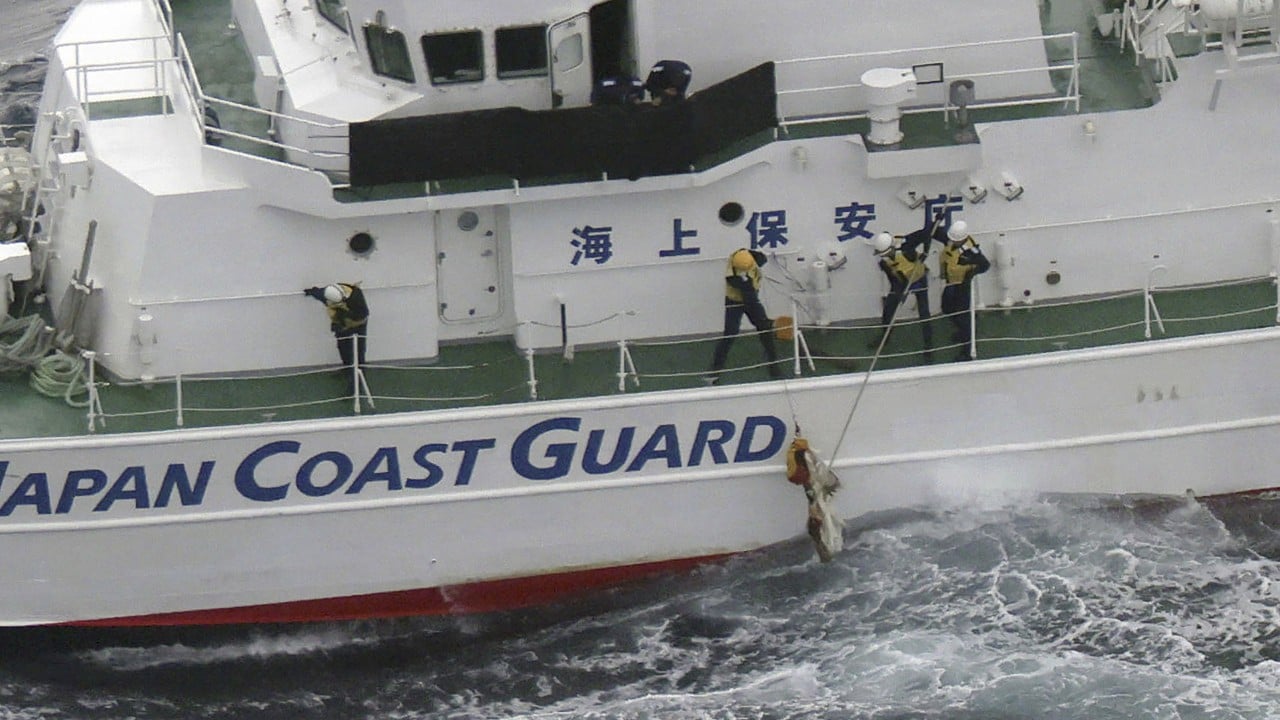
The Japanese government has announced plans to double its security aid to 12 nations in the Indo-Pacific region for the current financial year. This marks a significant increase from the eight countries that received assistance in the previous year, according to sources familiar with the matter. Among the recipients is Kenya, which is set to become a new recipient of Japanese military aid.
Japanese officials aim to bolster maritime security cooperation, particularly in surveillance and monitoring, due to China's increasing assertiveness in the region. The Japanese government has allocated approximately 18.1 billion yen (US$114 million) for the security assistance program over the next fiscal year, which ends in March 2027.
This is a substantial increase from the roughly 8 billion yen allocated for the previous year. In July, Japan decided to provide Cambodia's military with communications equipment and patrol boats. Additionally, Japan plans to collaborate with Australia to assist Fiji in constructing military facilities. Other countries being considered for aid include the Philippines, Indonesia, Malaysia, Thailand, Sri Lanka, Vietnam, East Timor, and Palau.
Japan intends to supply only completed defense equipment, excluding weapons defined under its Self-Defense Forces Law as intended to kill or destroy. Thus far, Japan has primarily offered dual-use equipment and supplies to foreign militaries, such as patrol boats and coastal surveillance radar systems. The government hopes that increased use of Japanese-made equipment will help expand Japan's defense industry abroad.
Written by urgent.news from South China Morning Post's reporting — not their text. Machine-written — may contain errors; check the original before relying on it.