ITWeb TV: Energy competition beckons beyond the blackouts
With the growth of independent power producers, electricity wheeling and a wholesale market, SA’s landscape is changing, says SOLA Group.
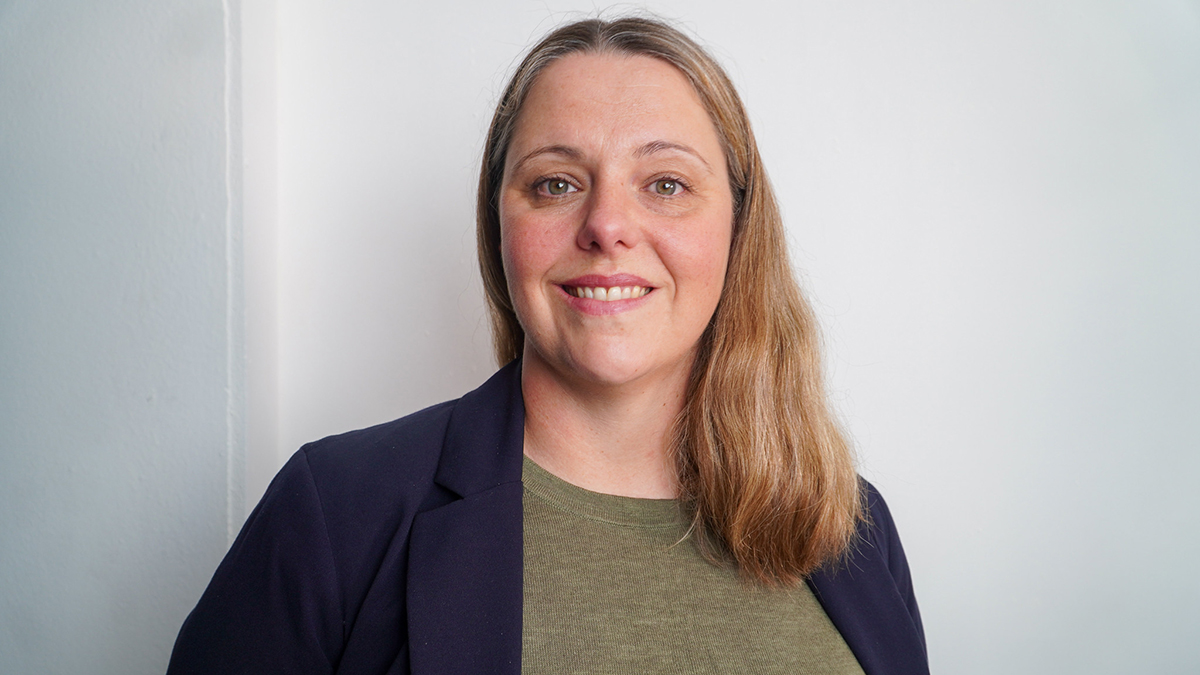
South Africa's energy sector has experienced considerable transformation in recent years, with more significant changes on the horizon. Katherine Persson, MD of SOLA Group, spoke to ITWeb TV about the future of the energy market. Persson stated that the current energy system is stable and that there has not been load-shedding for over a year due to sufficient energy supply.
However, she added that the sustainability of this situation relies on the rapid decommissioning of Eskom's coal plants and the sufficient amount of renewable energy to replace it.
The independent energy market is growing, with many projects ready to start construction. Current estimates suggest that there are about 55 gigawatts of generation capacity on the South African grid, with 20 gigawatts of new projects, mostly renewables, in the pipeline for construction over the next three to five years. A crucial aspect of this transition is the formalization of electricity wheeling, which allows independent power producers to add power to the grid and sell it to third-party consumers directly.
SOLA Group's supply agreement with Amazon Web Services in November 2021 marked the first solar energy wheeling project in the country. Despite concerns about a lack of funding for renewable energy projects, Persson reported that South African banks have strong lines of funding to back these initiatives, with over R60 billion invested in renewable energy projects in the past year alone. The company is currently building a 300MW solar project in the Free State, occupying an area equivalent to 700 football fields.
However, Persson sees physical integration of new generation into Eskom's national transmission network as the main constraint. The separation of Eskom's transmission network, with the formation of the National Transmission Company South Africa, aims to work with the private sector to build new transmission infrastructure and encourage more projects to connect.
In the next two to five years, Persson envisions the introduction of the South African wholesale energy market, leading to more sophisticated and advanced selling and buying of energy. This shift will move away from the previous model of selling to a single buyer or the government, allowing consumers to choose their energy providers, including industrial and domestic users.
Written by urgent.news from ITWeb's reporting — not their text. Machine-written — may contain errors; check the original before relying on it.