iPhone 18 series: Everything we know so far
For the first time ever, Apple could split its iPhone 18 series launch across two separate events, and it changes everything about how you plan your next upgrade.
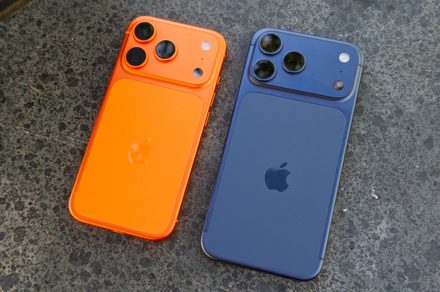
The upcoming iPhone 18 series promises to be a game-changer, potentially disrupting Apple's tradition of unveiling its flagship smartphones in a single September event. This year, Apple may split its grand September launch into two separate events, one in fall 2026 and another in spring 2027, focusing on different categories of iPhones.
Premium models like the iPhone 18 Pro, Pro Max, and the long-awaited iPhone Fold are expected to debut first in early September 2026, with retail availability following a fortnight later. Retail availability for the more affordable iPhone 18 models could be pushed to spring 2027. The rumored iPhone 18 series arrives at a time when the smartphone industry is grappling with rising component costs and memory shortages, forcing manufacturers to hike prices or offer premium configurations at higher prices.
Bloomberg's Mark Gurman reports that the base price for the iPhone 18 Pro might start at $1,199, a $100 increase from the current iPhone 17 Pro price of $1,099. However, Apple has introduced two measures to mitigate this price hike: the Apple Upgrade program, allowing buyers to pay for their iPhones in easy monthly installments starting at $17.99 per month, and higher trade-in values for most iPhone, iPad, Mac, and Apple Watch models, reducing the effective upgrade cost.
Rumors suggest that the iPhone 18 series could maintain its familiar glass-and-aluminum design with flat edges and rounded corners, featuring a 6.27-inch LTPO OLED display with a 120Hz refresh rate and a smaller Dynamic Island. The phone might debut in a more vibrant lineup, with potential new colors like Light Blue and Dark Cherry.
However, Apple's decision to keep the Dynamic Island or replace it with an under-display Face ID module remains shrouded in mystery.
Written by urgent.news from Digital Trends's reporting — not their text. Machine-written — may contain errors; check the original before relying on it.